Guides & Knowledge
Clear articles on intake, dosage and effects of food supplements.

Folic acid: too much of a good thing — the upper limit and unmetabolized folic acid
There is no upper limit for folate from food. For synthetic folic acid there is: 1,000 µg a day for adults. Why this limit exists has little to do with the vitamin itself.
MTHFR: what is established about the gene variant — and what is not
About one in ten Europeans carries the C677T variant in duplicate. What follows from it is well studied — and considerably less dramatic than the trade in genetic tests suggests.

Spotting a folate deficiency: serum folate, red blood cell folate and what sets them apart
One value swings with the last meal, the other reflects months. Measure the wrong one and you get a number that does not fit the question — and may miss the actual problem.

Folic acid in foods: where there is plenty — and what cooking takes away
Leafy greens and pulses head the tables. What matters, though, is how much survives storage, soaking and cooking — and how much of that the body absorbs.

Hawthorn: interactions with medicines
Digoxin, beta blockers, anticoagulants: what has actually been studied in humans on hawthorn and medicines — and when a doctor needs to be asked.
Hawthorn and magnesium: why the combination?
The hawthorn extract may promise nothing, the magnesium may. Why 56.25 mg is not a random figure and what 15 % of the NRV actually means in daily life.

Hawthorn: what tradition actually documents
Hawthorn counts as a traditional plant. What is documented about it, why the EU dropped its best-known use in 2016, and why the berry has a different history.
Hawthorn quality: plant part, testing, label
How do you spot a good hawthorn product? Not by the milligrams: plant part, test method and limits decide — and the label is allowed to stay silent.

Hawthorn: the plant, its species, the part used
Hawthorn is not one species but a genus. Which plant parts the pharmacopoeia knows, which one ends up in the capsule, and why that is not the same thing.

Buying hawthorn: what actually makes two packs comparable
Comparing two hawthorn packs: why the milligram figure alone says nothing, how to work out the price per month, and what the label has to state.

Hawthorn: tea, tincture or tablet?
Infusion, tincture, powder, dry extract: how much plant sits behind each daily dose, what the solvent changes, and why milligrams are not comparable.

Hawthorn extract: what 20:1 actually means
20:1, 4–7:1, 1:20 — what a drug-extract ratio tells you, why a high number does not mean stronger, and how to spot a label that says something.

Taking hawthorn: timing, duration, course
Is there a best time to take hawthorn? What the EU monograph says about splitting doses and course length — and how much of it applies to a supplement.

Too much vitamin A: where the limit really is
3,000 µg a day is the upper limit for preformed vitamin A. Why one portion of liver exceeds it many times over and the tablet usually does not.

Silymarin: what is in milk thistle extract
Silymarin is not one substance but a mixture. What the milligrams on the pack mean, and why two measuring methods produce two different numbers.

Milk thistle and medication: interactions
Silymarin inhibits CYP3A4 and UGT1A1 in the test tube, yet almost nothing showed up in people. What the studies found and where caution still belongs.

Milk thistle or artichoke: the difference
Both are thistles and stand side by side on the shelf. What separates milk thistle from artichoke botanically, in the plant part used and in the extract.

Milk thistle with inulin: what the 100 mg mean
A milk thistle tablet also holds 100 mg of inulin from chicory root. What the fibre does there, how to place the amount and what it does not deliver.

Milk thistle quality: how to recognise it
Plant part, extract statement, silymarin per daily portion, batch analysis: which details on a milk thistle pack mean something — and what market surveys found.

Milk thistle: the plant, its origin and its seeds
Milk thistle comes from the Mediterranean. What belongs to it botanically, which part ends up in the supplement and what it has traditionally been used for.

Buying milk thistle: mg of silymarin and price per month
Which number on a milk thistle pack is comparable, why 1,000 mg of powder is less than 100 mg of extract, and how to work out the price per month.

Milk thistle: tea, tincture, capsule or tablet?
Tea, tincture, capsule, tablet — how much silymarin each form delivers, why water is the poorest solvent and what really counts between capsule and tablet.

Milk thistle 20:1 or 80 %: what the label means
Extract ratio and silymarin content are two different numbers. What 20:1 states, what 80 % means and how to read the two of them together.

Taking milk thistle: timing, duration, fat
Before or after eating, one dose or three, with oil or without — what the EMA monograph sets out for taking milk thistle, and what it leaves open.
Magnesium in combination supplements: how much?
Combination supplements often state exactly 56.25 mg of magnesium. Why that is no accident, how to convert compound into element, and what has to be added up.

Taking lutein: fat matters, the time of day barely
Whether lutein reaches the blood is decided by the fat in the meal, not the time of day. What the studies show on fat amount, timing and duration.

Buying eye supplements: label, amount, combination
How to judge an eye supplement: which details are mandatory, why lutein carries no percentage figure, and where the sum of several products gets tight.

Vitamin A and vision: the approved claim
Vitamin A contributes to the maintenance of normal vision is one of six approved claims. What it covers, from what amount it applies, and where it ends.

Lutein and zeaxanthin: origin, sources, evidence
Lutein comes from marigold flowers, zeaxanthin from peppers or synthesis. What foods contain and why lutein esters are not the same as lutein.
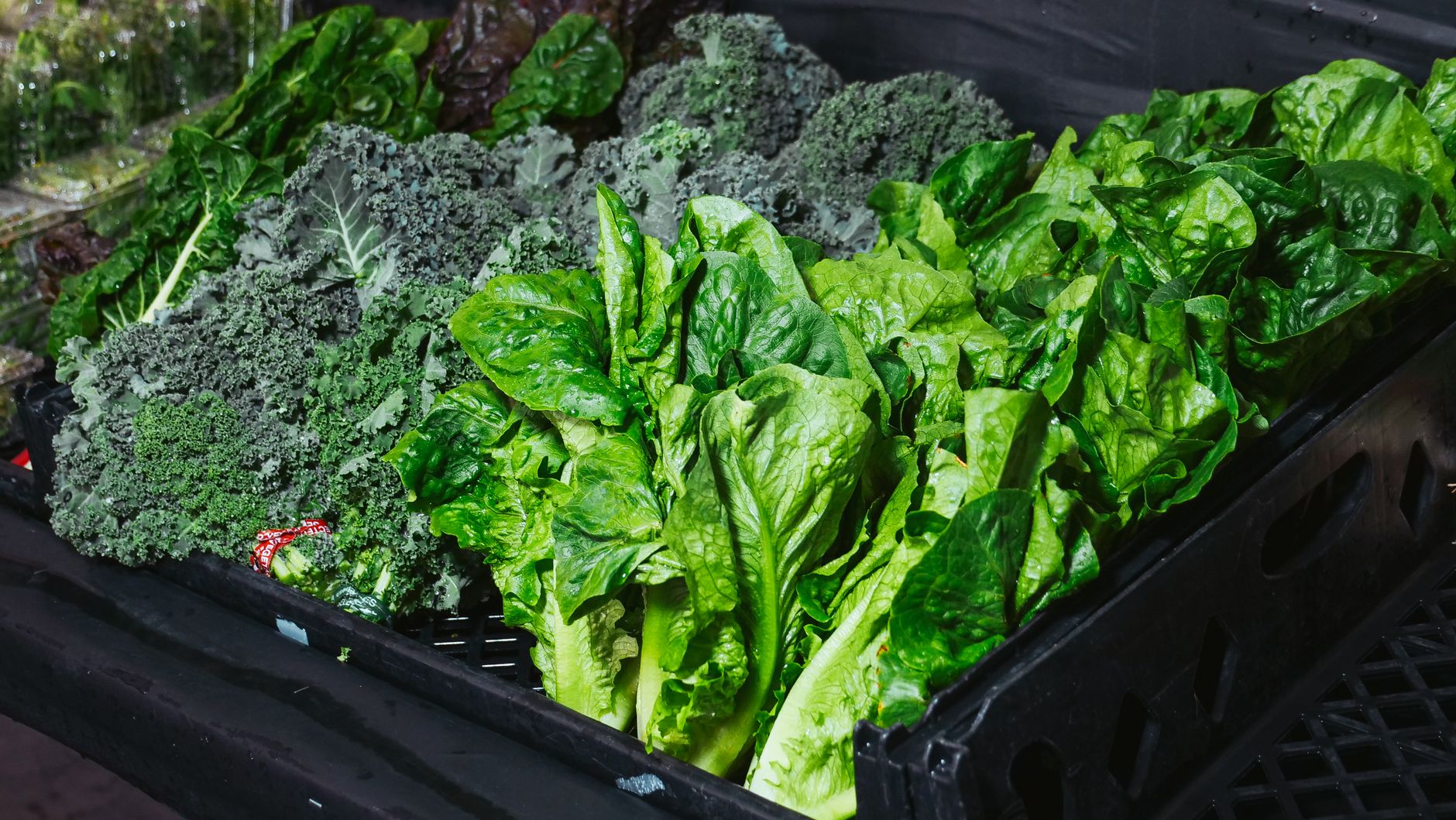
Lutein in foods: what one portion delivers
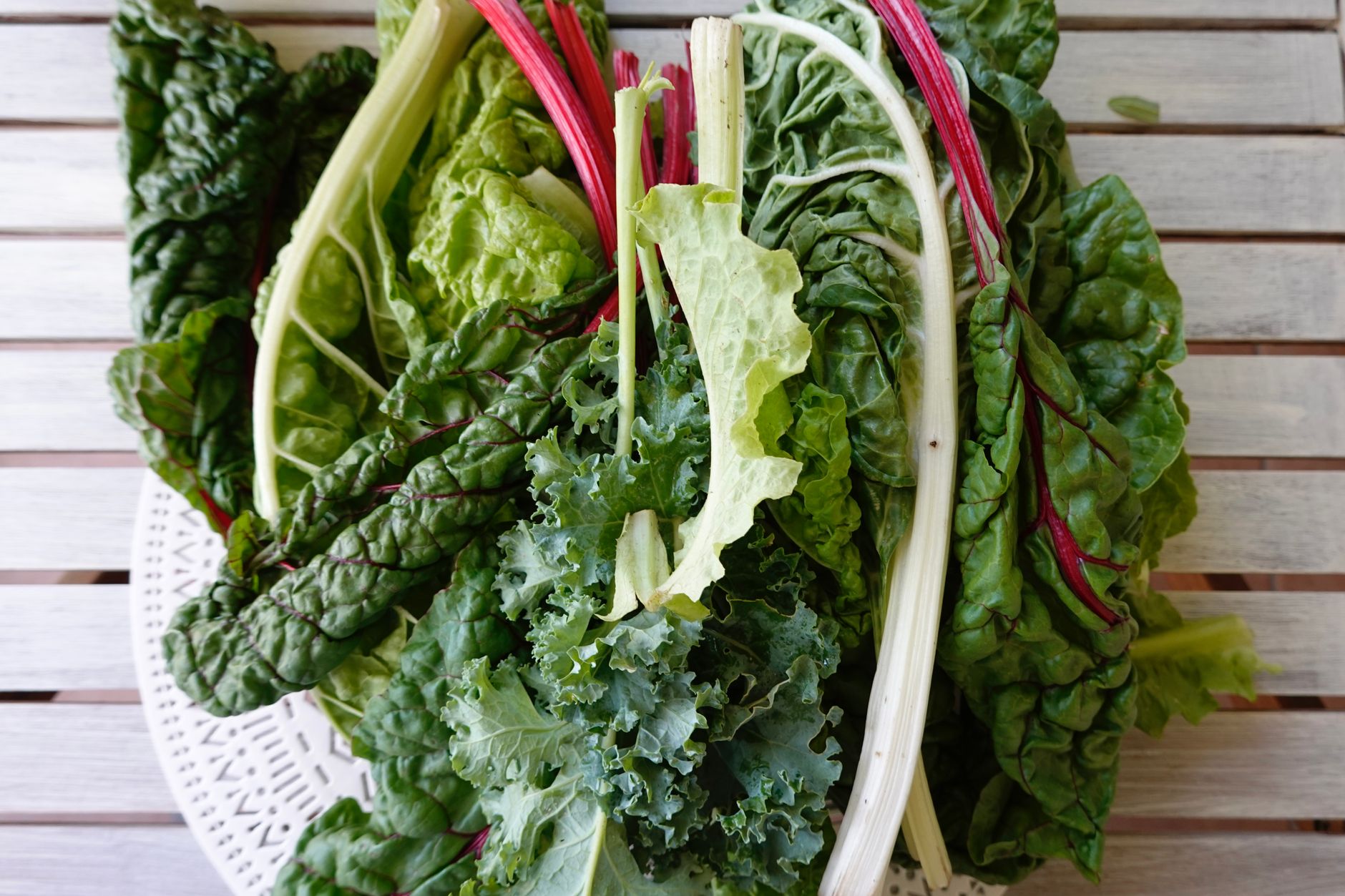
Spinach, kale, egg yolk: what a realistic portion delivers in lutein, what cooking does to it and why fat matters more than the variety.

Too much chromium: limits and chromium(III) vs (VI)
There is no tolerable upper level for chromium. What the EFSA guidance value of 250 µg means, where the BfR's 60 µg come from and why chromium(VI) differs.

Chromium and sugar cravings: what is proven
Chromium is advertised as a remedy for cravings for sweets. What EFSA assessed and rejected, what the studies show and which doses lie behind them.

How much chromium per day: 40 µg label, 30–100 µg estimate
The pack states 40 µg as a reference value, the DGE gives 30 to 100 µg. Why there is no real requirement figure for chromium, and what that means when buying.

Chromium and exercise: what the claims allow
Chromium is sold as a muscle and definition aid. Two claims are authorised, both about metabolism — what the training studies found, and what they did not.

Chromium deficiency: what is actually documented
In humans, chromium deficiency is documented only under long-term intravenous feeding. Why a blood test cannot settle the question, and what to look at instead.

Chromium in foods: table values and real portions
Broccoli, wholegrain, nuts: what European measurement data show about chromium in foods, why the figures vary so widely and where the intake really comes from.

Buying chromium: µg, form and combination products
How to judge a chromium supplement: which label details are mandatory, why µg of chromium is not µg of compound, and how to add up several sources.
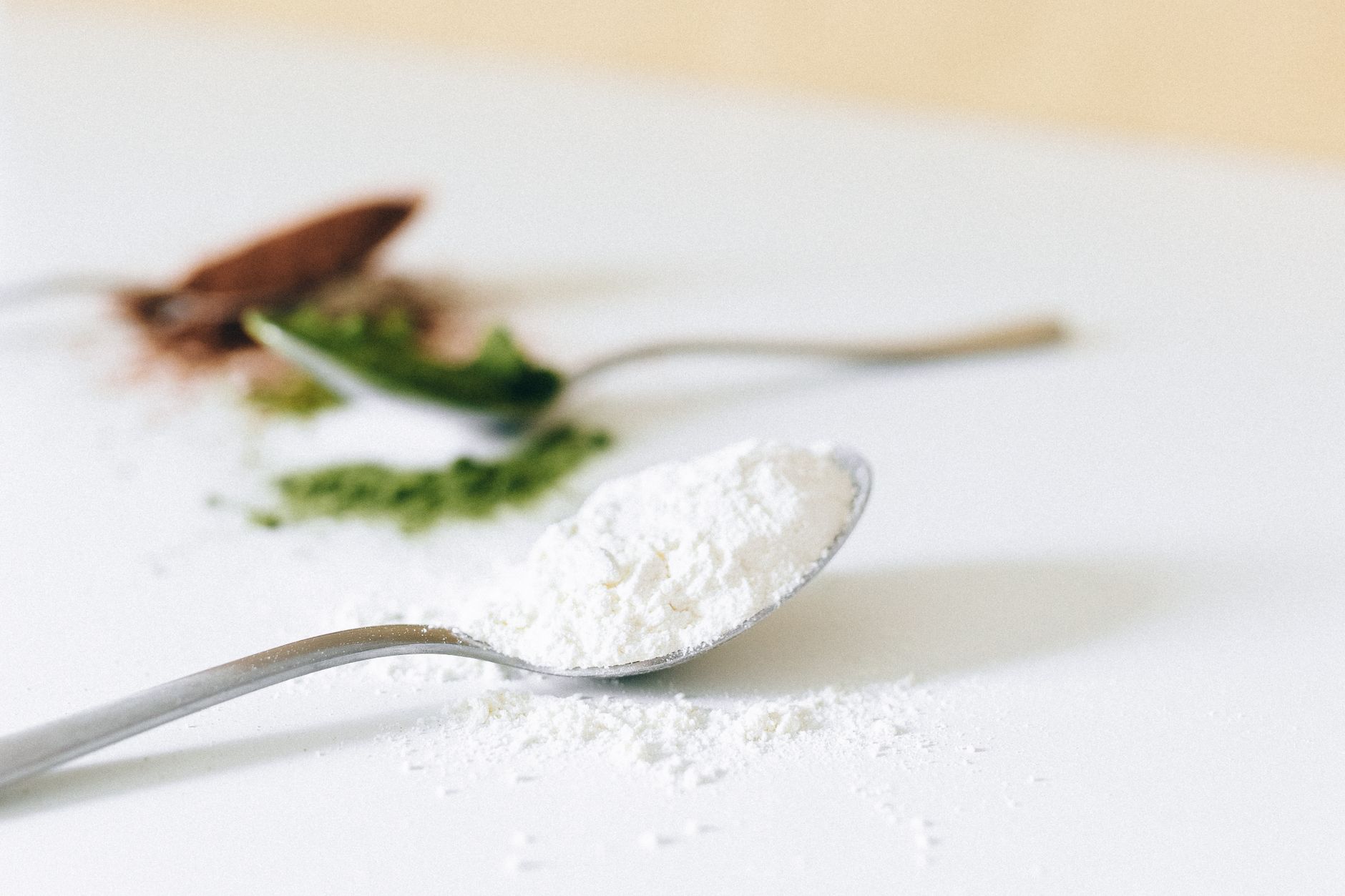
Chromium forms: picolinate, chloride and yeast
Six chromium compounds are permitted in food supplements. What separates picolinate, chloride and chromium yeast — and what the label really tells you.

Taking chromium: timing, meals and spacing
Morning or evening, on an empty stomach or with food? What measurably shifts chromium absorption — and why the time of day plays the smallest part in it.

Chromium and blood sugar: what the claim covers
What the authorised claim on chromium and normal blood glucose levels means, what it does not say — and how the EFSA read the evidence in 2010 and 2014.

Buying calcium: elemental mg, not mg of salt
Which number on the pack counts, how large the daily serving should be, what tablet size tells you — and how two calcium products can really be compared.

Zinc and vision: the approved claim and the amount
Zinc contributes to the maintenance of normal vision — the claim applies from 1.5 mg per daily portion. Why more zinc does not make it any stronger.
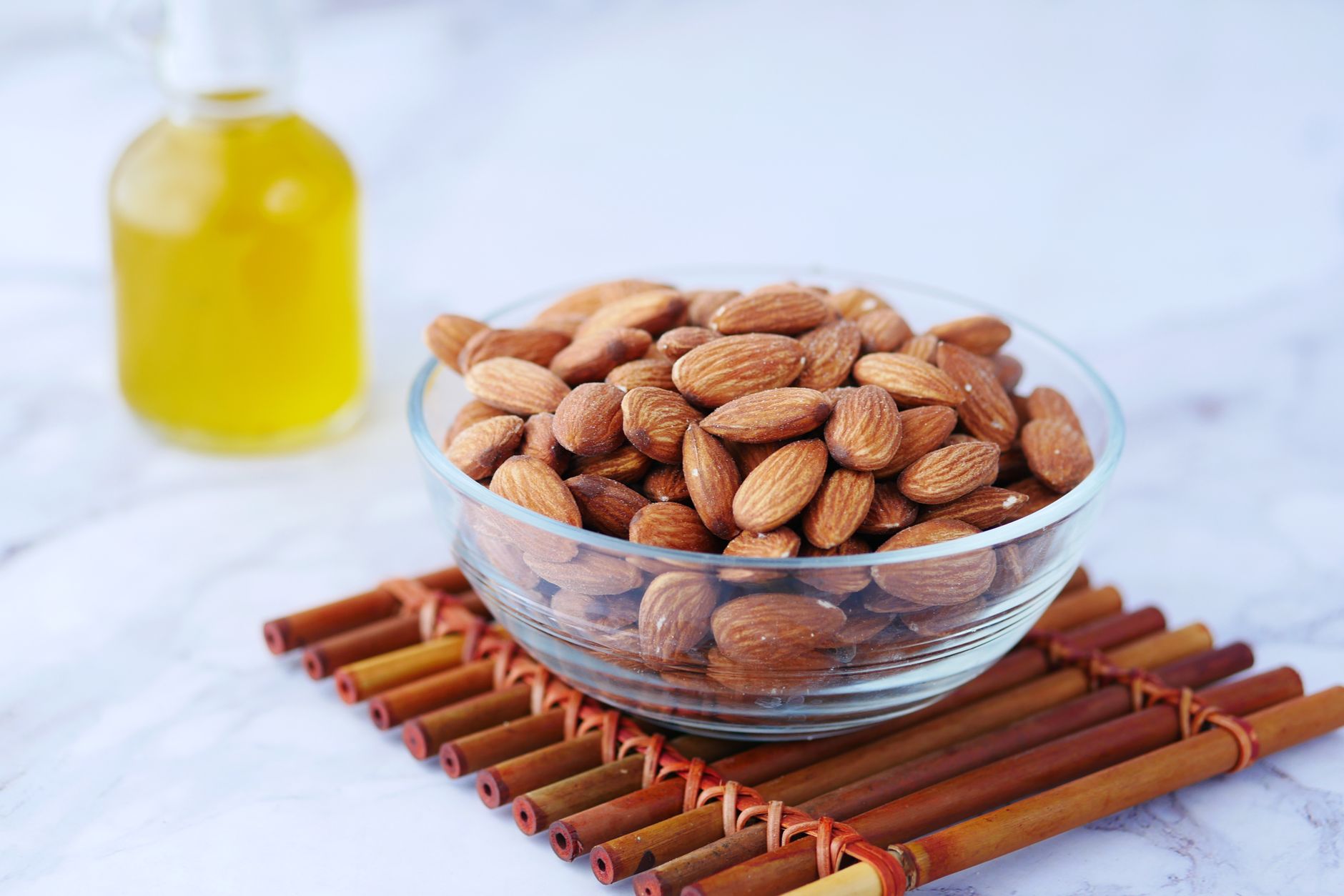
Vitamin E and the eyes: what may be claimed
Vitamin E carries exactly one approved claim, and it applies to cells in general, not to the eye. What that means for eye supplements.
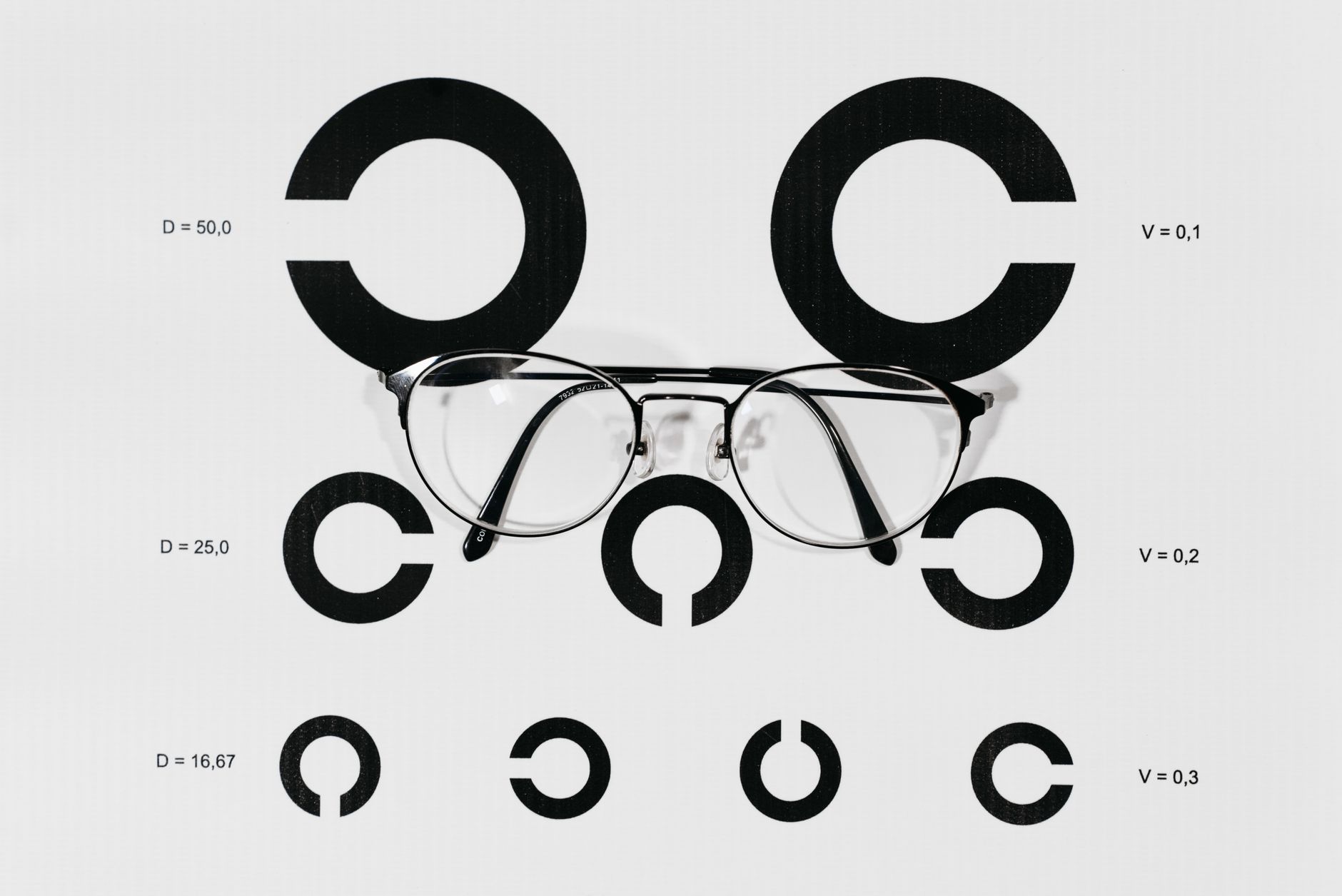
Eye nutrients: which claims are approved
Four nutrients may be linked to vision in the EU: vitamin A, riboflavin, zinc and DHA. Lutein and zeaxanthin are not among them — both were refused.

Eyes and screen work: what the evidence shows
Tired, dry eyes after eight hours at a monitor are real. What the studies show, which advertising claims the EU rejected and what an employer owes you.
Too much zinc: the 25 mg limit and what it means
The tolerable upper intake level for zinc is 25 mg a day. Where the figure comes from, what it includes — and why exceeding it does not mean poisoning.
Zinc on a vegan diet: which column applies
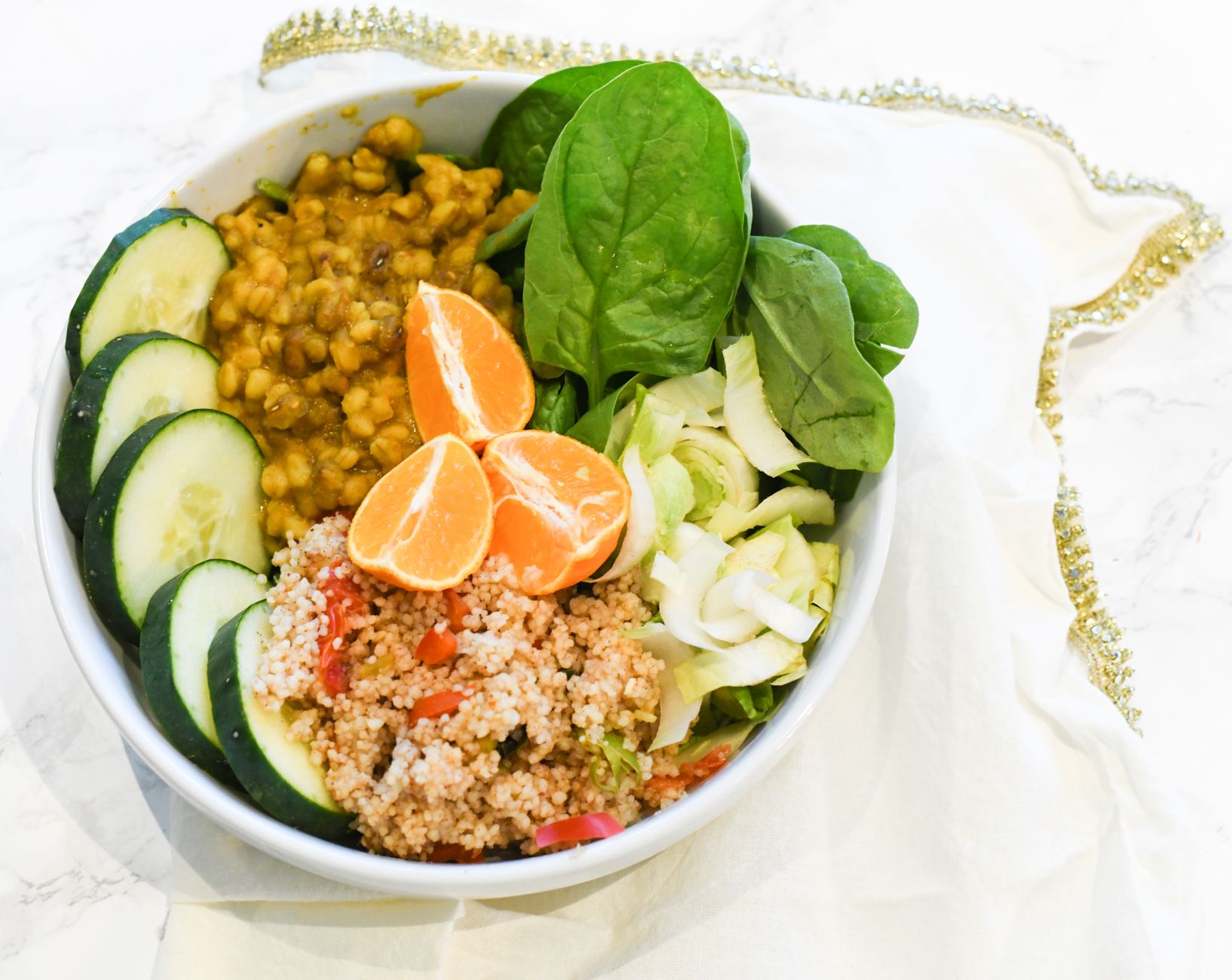
Vegan does not automatically mean the high phytate level. How grain preparation decides whether 8 or 10 mg of zinc a day is the benchmark — with a sample day.

Zinc and copper: what the ratio really means
8:1, 15:1 — there is no official figure for the zinc-copper ratio. But there is a reason why the upper level for zinc was set at 25 mg a day.

Zinc daily requirement: 7 to 16 mg — who needs what?
Zinc needs depend on sex and phytate intake. What the D-A-CH reference values say, what food actually delivers and why 10 mg on the label means something else.

Zinc and exercise: what is proven — and what is not
Sweat carries off around 0.5 mg of zinc per hour of training. What that means for requirements — and why no authorised statement mentions muscles.

Zinc-rich foods: table and the phytate brake
Which foods supply how much zinc per 100 g — and why the table is only half the answer once wholegrain and pulses are on the plate.

Buying zinc: price per day, not price per milligram
With zinc the daily amount is capped, so more milligrams for your money is no advantage. How to compare packs properly and what the label has to tell you.

Zinc for skin, hair and nails: what may be said
Three sentences are officially approved for zinc — on skin, hair and nails. What “maintenance” means, and from which amount they may appear on a pack.

Zinc forms compared: what counts on the label
Gluconate, bisglycinate, picolinate, oxide: the zinc share ranges from 14 to 80 per cent. What the label has to state and what really differs in absorption.

Taking zinc: timing, meals and spacing
On an empty stomach more zinc is absorbed, with a meal it is better tolerated. What the gaps to iron and calcium really achieve — with the measured figures.

Too much vitamin B12: no upper limit, still 25 µg
No tolerable upper intake level was ever derived for vitamin B12. Why the BfR proposes 25 µg all the same — and where the surplus actually goes.
Vitamin B12 on a vegan diet: why a supplement belongs
Vegan is the one diet for which the DGE considers a B12 supplement mandatory. Why algae, sauerkraut and organic oat drink do not close the gap.
Vitamin B12 and folic acid: why the gap gets hidden
Both show the same blood count, but often only one is missing: why folic acid can mask a B12 deficiency — and where the 1,000 µg upper limit comes from.

Vitamin B12 daily requirement: 2.5 µg NRV, 4 µg reference
The pack says 2.5 µg, the German reference value is 4 µg, the tablet holds 1,000 µg. Which of the three is the daily requirement — and which is not.
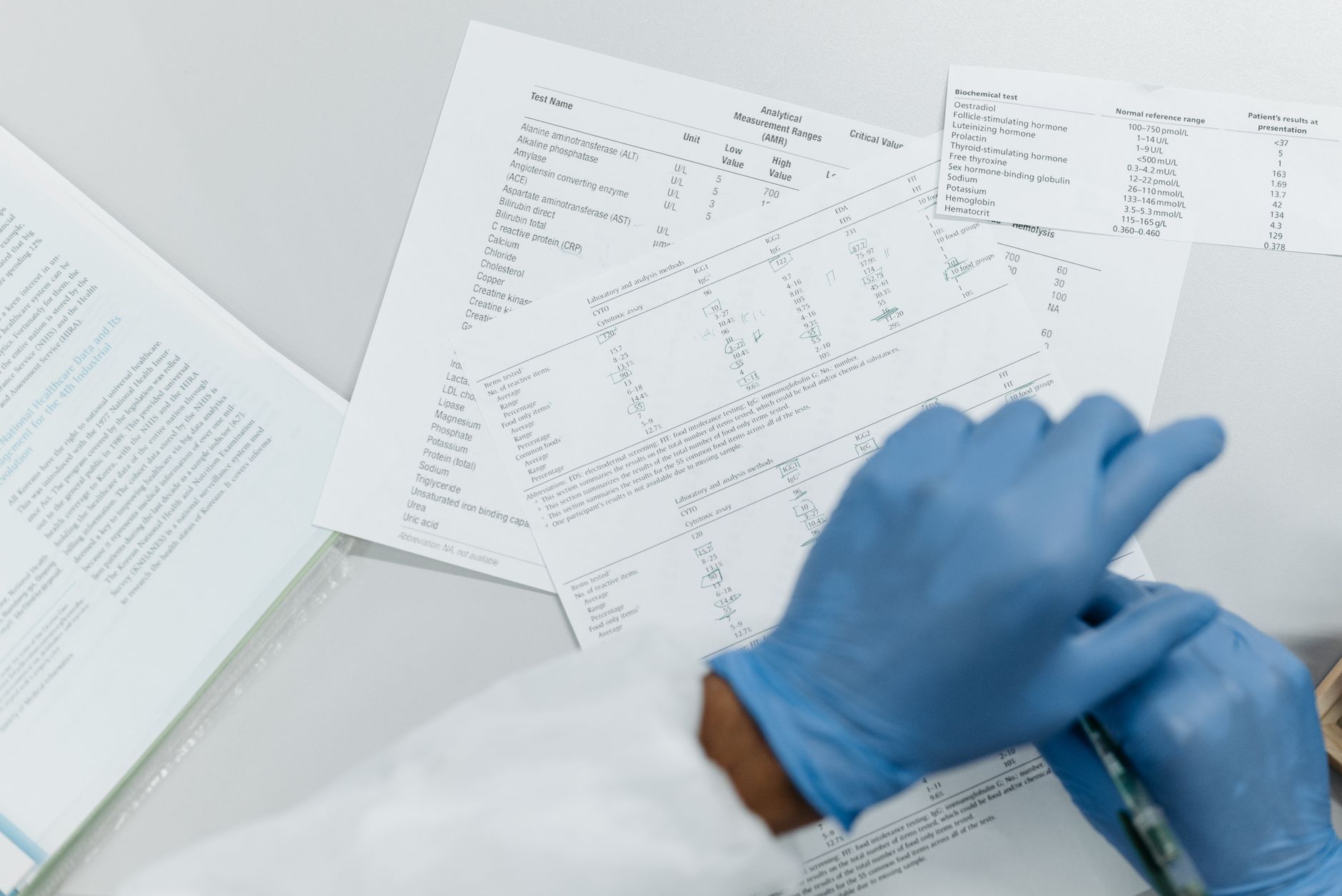
Spotting a vitamin B12 deficiency: serum, holo-TC, MMA
A normal B12 value in the blood does not rule out a deficiency. What serum B12, holo-TC and methylmalonic acid each show — and in which order they change.

Vitamin B12 foods: what one portion delivers
Four everyday portions cover the reference value of 4 µg. What milk, egg, cheese and fish actually contribute — and why algae do not count.

Buying vitamin B12: price per month, not per µg
1,000 µg on the tin says little about what arrives. What makes a B12 pack comparable: days per tin, the form in the ingredients, mandatory label details.
Vitamin B12 forms: cyano-, methyl-, hydroxocobalamin
Four B12 forms are approved for food supplements. What sets them apart chemically, what the body makes of them — and what the label says.

Taking vitamin B12: timing, stomach acid, metformin
Morning or evening, on an empty stomach or with food, a gap to metformin? What actually decides how much B12 arrives — and what only sounds like a rule.

Vitamin B12 absorption: intrinsic factor and the 1 % rule
The active uptake route for vitamin B12 is full at around 1.5 µg per meal. What happens beyond that, why tablets hold 1,000 µg and who absorbs less.

Too much selenium: where the limit lies
EFSA sets 255 µg a day, the BfR proposes 40 µg for supplements. Why the gap between requirement and upper limit is so narrow with selenium.

Selenium on a vegan diet: plant sources
Selenium can be covered from plants alone, but the figures vary more than for any other trace element. What measurements show and what actually matters.
Selenium and iodine: why they are named together
Both belong to the thyroid, but with different jobs. What is short in Germany, what is enough — and why the order iodine before selenium matters.

Selenium daily requirement: 55, 60 or 70 µg?
The label says 55 µg, the DGE names 60 and 70 µg, EFSA says 70. Where the three figures come from — and why European soils have a say in it.

Selenium and the thyroid: what the claim covers
“Selenium contributes to the normal thyroid function” is authorised. What that sentence means, why iodine is the raw material — and what large trials found.
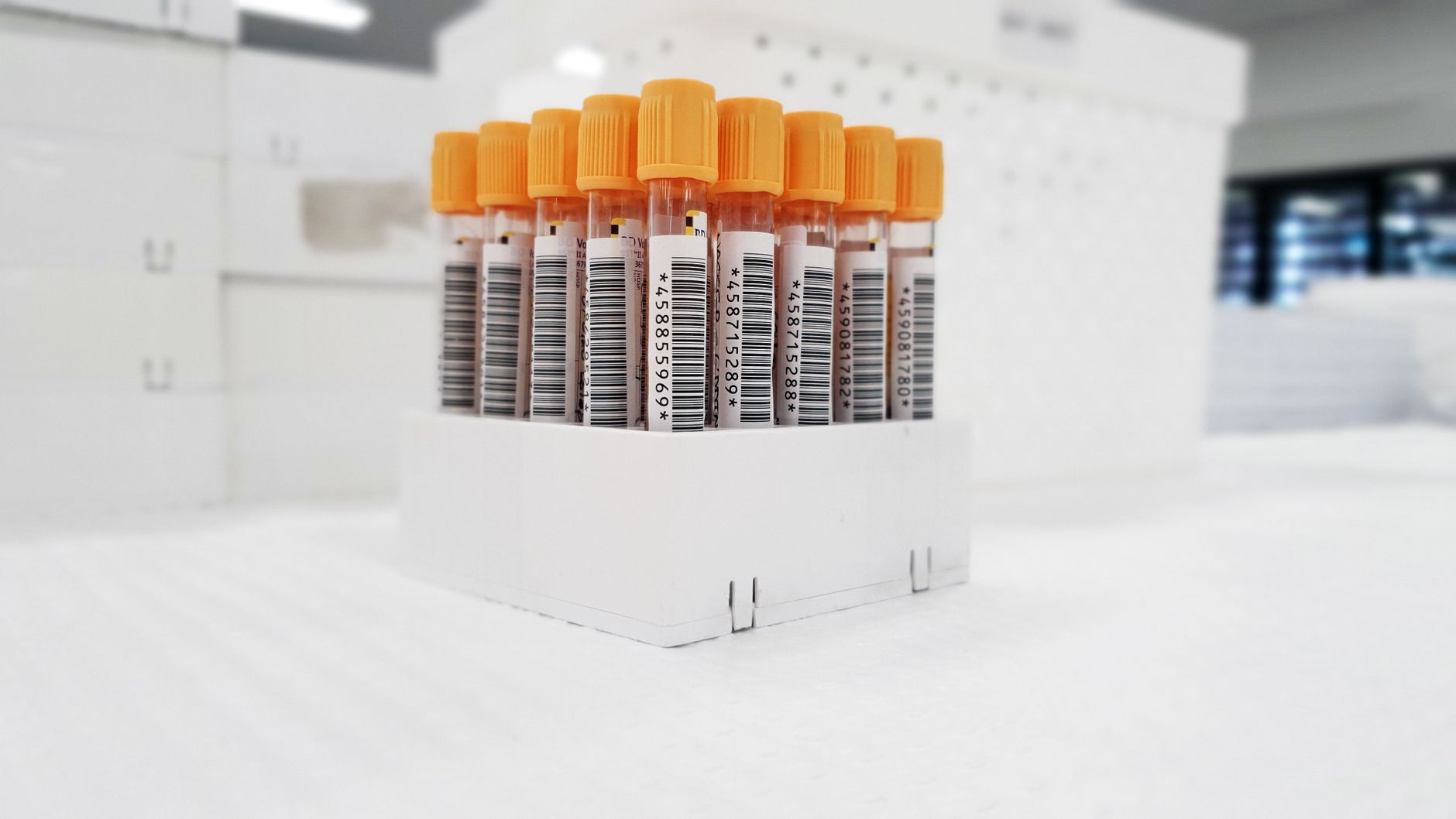
Selenium deficiency: what lab values show
Selenium is in no standard blood panel. Which markers exist, what they actually measure — and why a low value is not automatically a deficiency.

Selenium in foods: table and portions
Which foods supply selenium, how much a usual portion adds — and why a selenium table is less reliable than the tables for other nutrients.

Buying selenium: more µg is not a better deal
With selenium the gap between requirement and upper level is small. Why the high dose is no advantage and which four items must appear on every label.

Selenium forms: selenite, selenomethionine or yeast?
Six selenium sources are permitted in the EU. What the form really changes in the body — and why a higher blood selenium level is not automatically better supply.

Taking selenium: timing, meals, vitamin C
The well-known gap to vitamin C applies to only one kind of selenium supplement — and even there the evidence is mixed. What timing really changes.
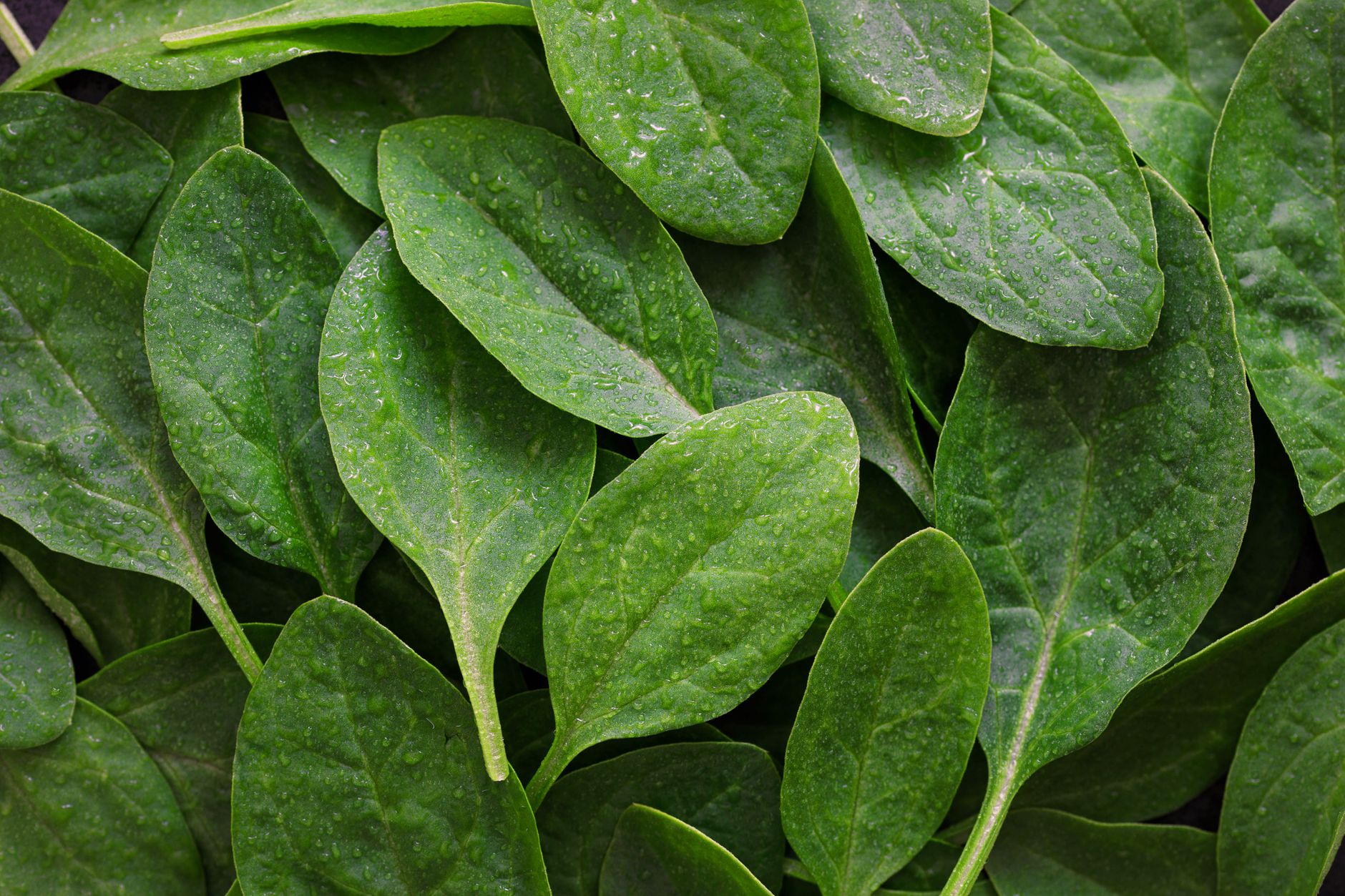
Folic acid or folate: where the difference lies
Folate is the natural form, folic acid the synthetic one — and 400 µg from a tablet is not 400 µg from a salad. What folate equivalents mean.
Folic acid and vitamin B12: the overlooked gap
Folic acid does not cause a B12 deficiency — it makes its most conspicuous sign disappear. Who should settle the B12 question first, and which values still say something afterwards.
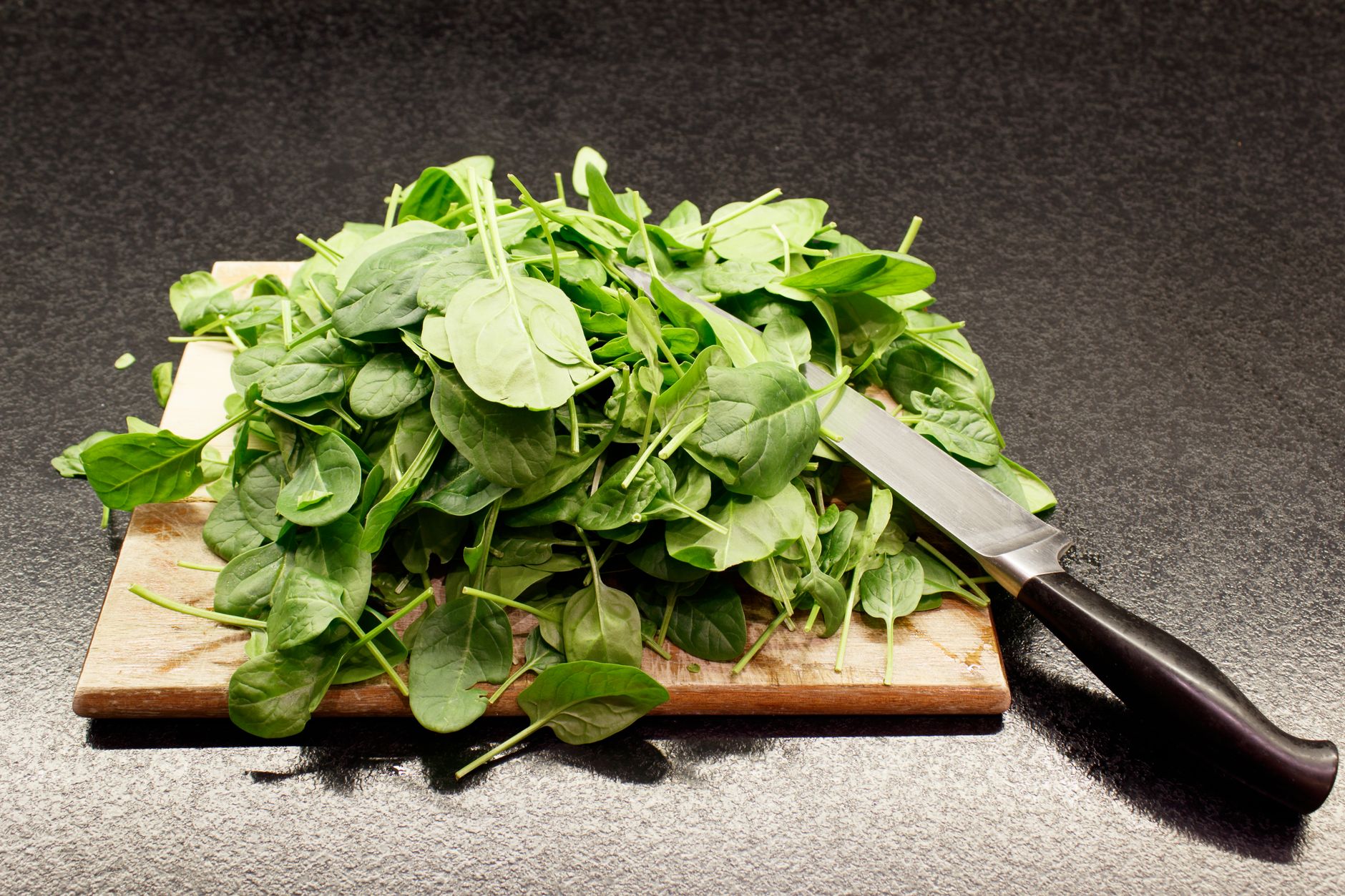
Folic acid daily requirement: 200, 300 or 400 µg?
The label says 200 µg, the DGE names 300, preparations carry 400 or 800. All three figures are correct — they simply answer different questions.

Folic acid in pregnancy: 400 µg, from when
400 µg folic acid a day — beginning four weeks before conception. Why starting at the positive test is too late, and what the authorised claim says word for word.

Buying folic acid: comparing µg, form and label
Two packs with the same µg figure are not the same thing. What has to be on the label, which folate sources are permitted and how to compare prices.

Taking folic acid: timing, duration, combination products
On an empty stomach or with food, morning or evening, for how long — and what counts towards the total in a combination product. The answers with the figures from the DGE, the BfR and the EFSA.
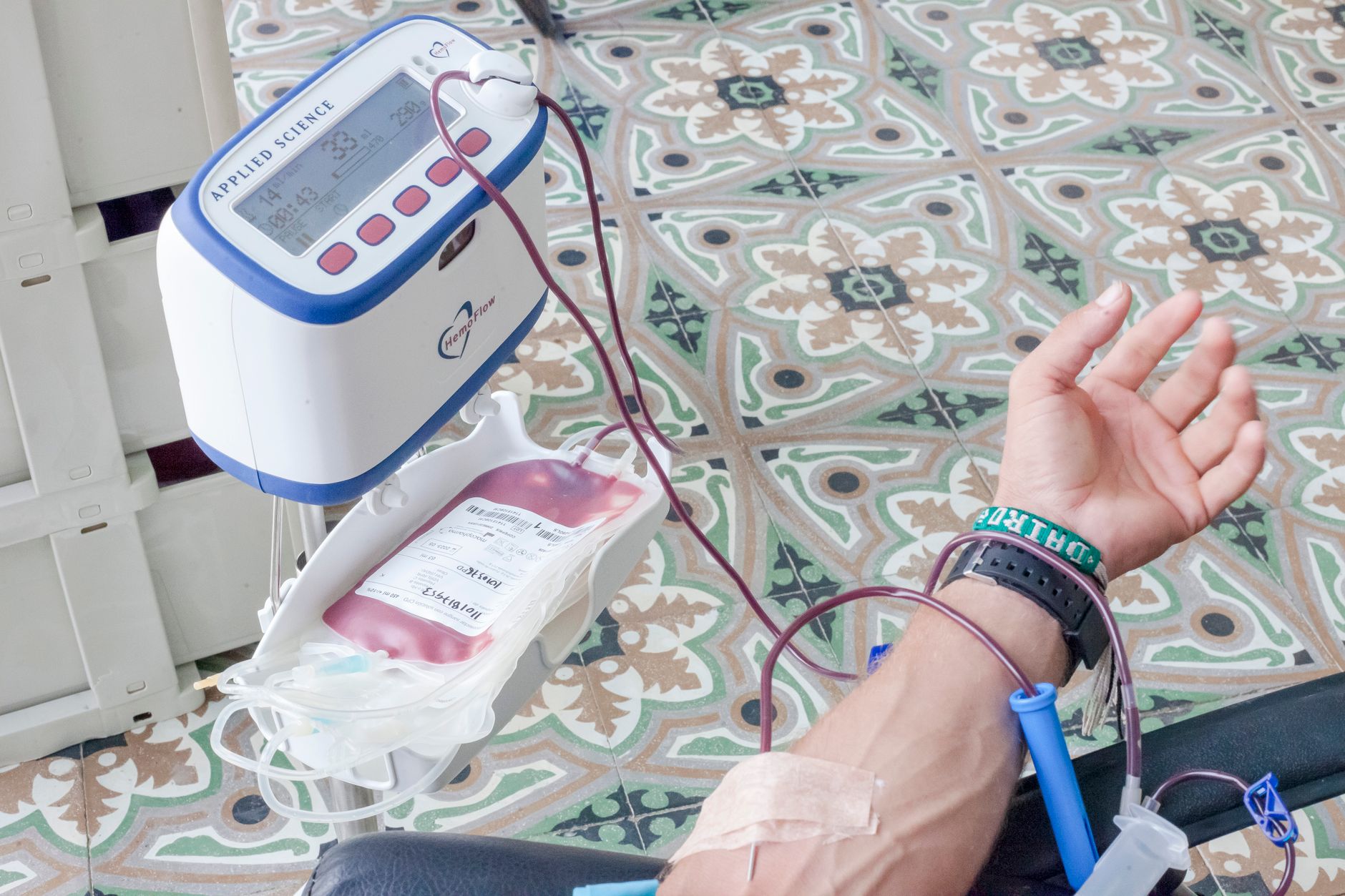
Too much iron: when does it get critical?
Iron has no tolerable upper level — which does not mean harmless, but not derivable. What EFSA and the BfR state instead, and who should wait without a deficiency.

Iron on a vegan diet: more on the plate, less in store
A vegan diet supplies more iron on average than a mixed one — and stores are still lower. What bioavailability explains and what actually helps in practice.

Iron and inulin: why the fibre is in the tablet
Inulin is said to improve iron absorption via the colon. In humans that has been tested three times — and the amounts in a tablet are tiny.

Iron daily requirement: 11, 14, 16 or 27 mg?
Men 11 mg, menstruating women 16 mg, pregnancy 27 mg: what the DGE recommends — and why the label still shows 14 mg as its reference value.

Spotting iron deficiency: ferritin, TSAT or Hb?
Ferritin falls first, haemoglobin last. Which blood values show iron status, which cut-offs apply and why ferritin cannot be read without an inflammation marker.
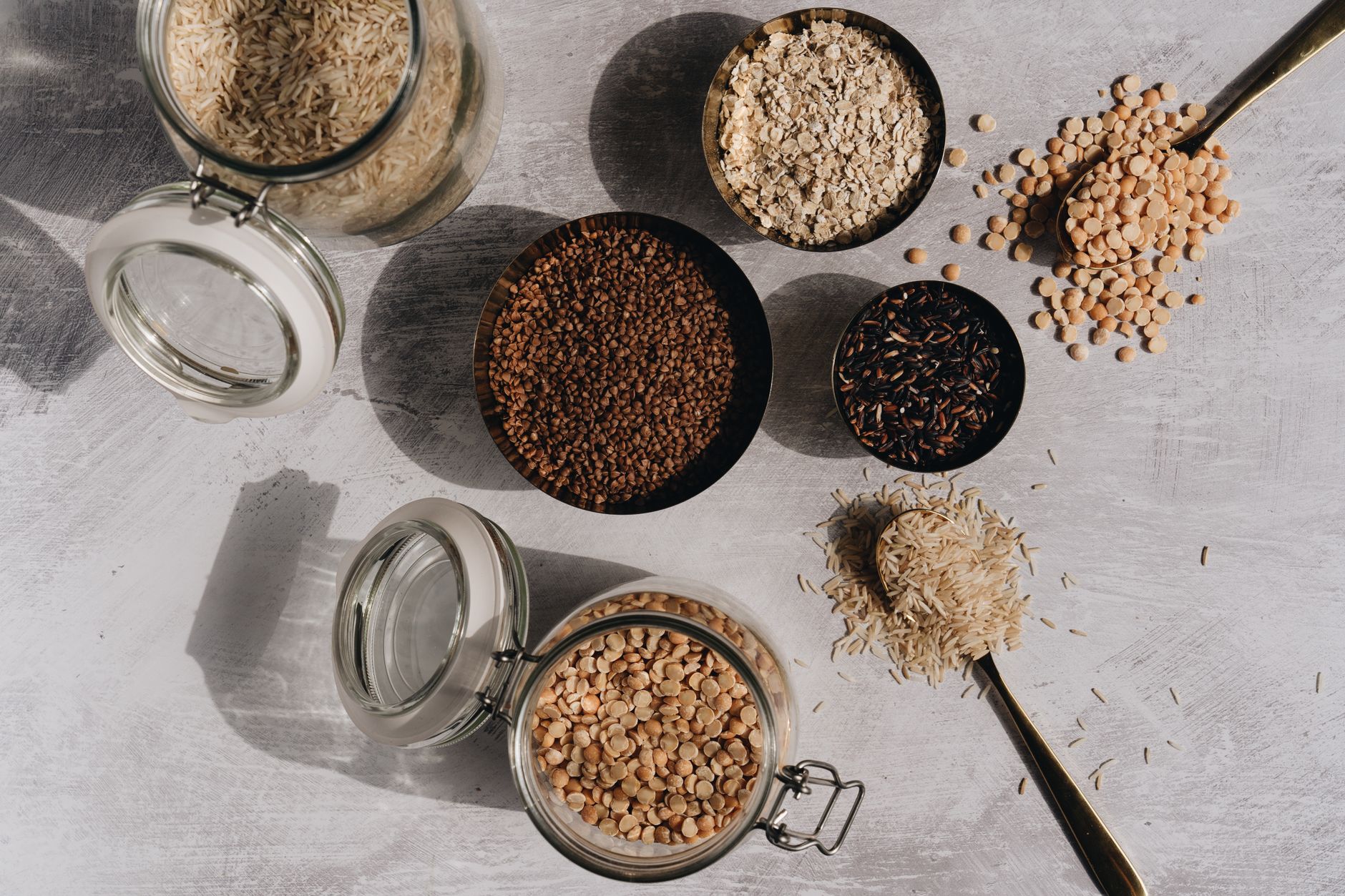
Iron-rich foods: the table by portion
Liver tops every ranking, parsley sits near the top — neither helps at the shop. What usual portions deliver, and how much of it is absorbed.

Buying iron: price per day, not price per mg
Twice the milligrams is not twice the iron. What actually makes two iron packs comparable: the amount, the compound, the additives and the days covered.
Iron forms: bisglycinate, fumarate or sulphate?
Why 100 mg of an iron compound is never 100 mg of iron, which forms the EU permits and what is documented on the tolerability of bisglycinate.

Taking iron: fasting, in the morning, every other day
On an empty stomach in the morning most of it arrives, and every other day beats daily. What is measured on timing, zinc and calcium.

Iron absorption: vitamin C, coffee and tea
Vitamin C with a meal raises iron absorption, black tea cuts it by up to 94 %. What has been measured — and why the gap is usually placed the wrong way round.
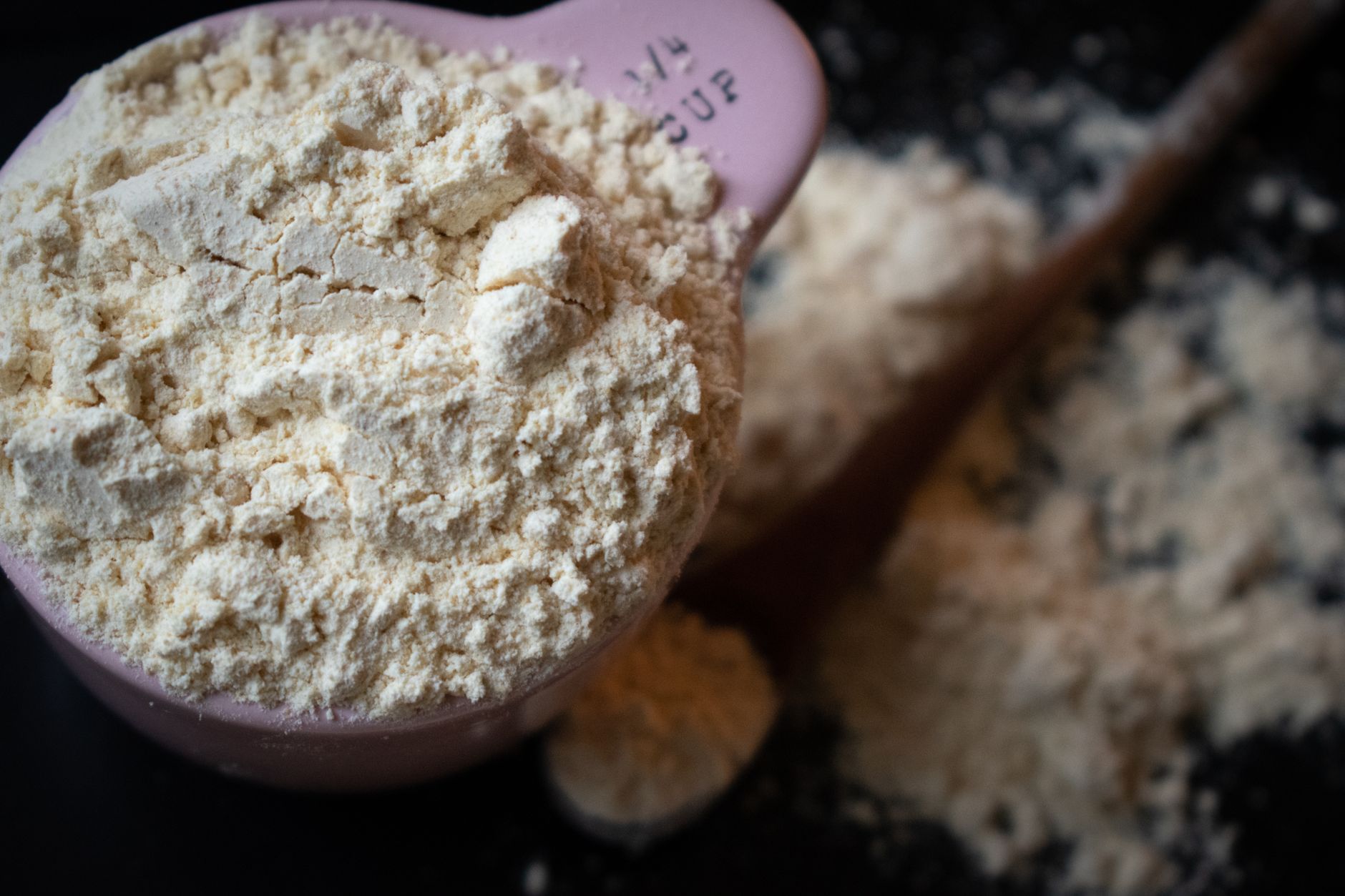
Too much calcium: where the upper limit sits
2,500 mg counts as the tolerable total intake, while the BfR suggests only 500 mg from supplements. Why both figures are right and what matters long term.

Vegan calcium: what actually gets absorbed
Kale, tofu, sesame, plant drinks: which plant calcium sources the body takes up — and why the oxalate in spinach blocks almost all of it.

Calcium and vitamin K2: why K2 gets mentioned
K2 is said to steer calcium into bone instead of arteries. What is authorised, what EFSA examined and rejected — and which pair actually belongs together.

Calcium and vitamin D: why they share a tablet
Vitamin D decides how much calcium the gut absorbs — which is why both sit in one tablet. When the combination makes sense and when one of the two is enough.
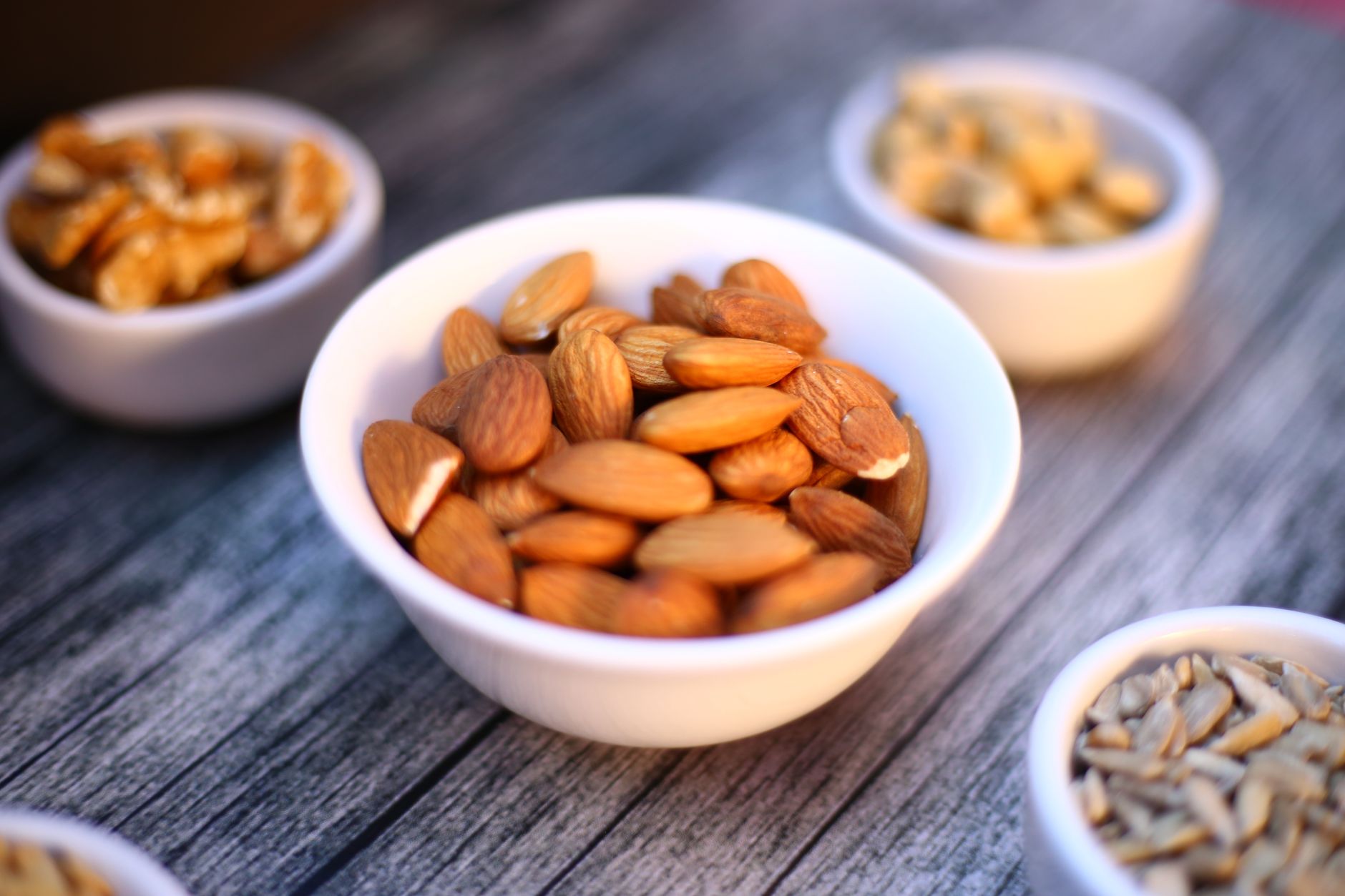
Calcium and magnesium: together or apart?
Whether calcium and magnesium can be taken together, how large the single portions should be and why the ratio is the wrong question.
Daily calcium needs: 800 mg label, 1,000 mg advised
The pack states 800 mg as a reference value, the DGE recommends 1,000 mg. What the daily requirement is, how much food covers and when a tablet helps.

Calcium in food: the portion beats the 100 g figure
Cheese, kale, mineral water, plant drink: how much calcium each food delivers per portion — and the two places in the chiller cabinet where the sum falls apart.

Calcium forms: carbonate, citrate, gluconate
Which calcium compound is worth it: elemental content, stomach acid and what the studies really show about absorption — and why serving size decides more than the salt.

Taking calcium: dose per serving and spacing
Why the size of a single dose matters more than the time of day, which gap to iron, zinc and medicines is real — and which one, by the measurements, is not.

Biotin and zinc: why they always appear together
Biotin may say nothing about nails, zinc may. Why the two almost always stand side by side — and which of them actually runs short in everyday eating.
Daily biotin requirement: 40, 50 or 10,000 µg?
The estimated value is 40 µg, the label calculates with 50 µg, the tub lists 10,000 µg. Where the three figures come from and which one actually counts.

Biotin for nails: what the data actually shows
There is no approved claim about biotin and nails — the nail sentence belongs to zinc and selenium. What the three old 2.5 mg studies show, and what they do not.

Biotin deficiency: when it actually occurs
A diet-related biotin deficiency is rare and then has a concrete cause. Which four triggers are documented and why the status can hardly be measured.

Biotin in foods: table and everyday examples
Liver, egg yolk, oats, mushrooms: how much biotin they really contain, what an ordinary day adds up to, and why the µg on the plate count differently.

Biotin and blood tests: how long to pause beforehand
From 150 µg per daily dose biotin can distort blood tests — thyroid, troponin, vitamin D. What is affected and how long to pause before the sample is taken.

Buying biotin: label, µg and price per month
Biotin comes in only one authorised form. What has to be on the pack, which figure counts when comparing, and how to work out the price per month.

High-dose biotin: where the milligrams come from
5,000 or 10,000 µg instead of 40: where the milligram amounts originate, what research with them produced, and where the practical limit runs.

Biotin for hair: what the claim actually says
The claim “Biotin contributes to the maintenance of normal hair” is allowed from 7.5 µg. Why 10,000 µg carries the very same sentence — and what that means when buying.

Taking biotin: timing, duration and effect
Morning or evening, on an empty stomach or with food? What the product information says, why visible change takes months, and when a break actually matters.

5-HTP and antidepressants: why they don't mix
Antidepressants, carbidopa, St John's wort: which agents act on the same metabolic pathway as 5-HTP — and what the official warnings actually say.
5-HTP or L-tryptophan: where the difference lies
One metabolic step separates the two — and that single step explains why one pack says 500 mg and the other says 12.5 mg.

Is 5-HTP vegan? What matters on the label
In the EU, 5-HTP always comes from griffonia seeds. That alone does not make a product vegan — the capsule shell, anti-caking agent and glazing agent decide.

5-HTP quality: what the label has to state
No authority checks a food supplement before it is sold. Which details are mandatory, what a certificate of analysis shows and how suspect goods stand out.

5-HTP side effects: what is reported and how often
Gastrointestinal complaints come first and depend on the amount. What the only official monograph lists — and why there are no frequency figures.

Buying 5-HTP: price per mg, not per bottle
The pack price and the price per kilogram are useless for comparing 5-HTP products. How to work out cost per day and price per 10 mg from the label.
Vitamin K2 interactions: medicines and nutrients
One vitamin K2 interaction is well documented, several medicines slow absorption — and a good deal of what gets named as an interaction does not hold up.
Vitamin K2 daily requirement: which number applies
There is no separate daily requirement for vitamin K2. What NRV, the DGE estimated value and the EFSA reference value mean, and how much German diets supply.

Vitamin K2 quality: label, stability, origin
Why 200 µg on the tub is not 200 µg in the capsule: what the label reveals, which ingredient breaks the K2 down and how to recognise the raw material.

Vitamin K2 MK-7 all-trans: what the label says
MK-7 all-trans on the label: why only the trans form is biologically active, how cis isomers arise and what measurements on supplements have found.

Vitamin K2 in food: natto, cheese and the rest
Where vitamin K2 actually sits: measured values for natto, Gouda, Emmental, meat and sauerkraut — and what adds up over an ordinary day.

Vitamin K1 vs K2: difference in origin and uptake
K1 and K2 are two forms of the same vitamin: K1 from leafy greens, K2 from bacteria. What separates them in uptake, half-life and on the label.

Vitamin K2 forms: MK-4, MK-7 and the production route
MK-4, MK-7, all-trans, „from natto": which of these is a form, which is the production route — and what the label really tells you about the contents.

How to take vitamin K2: timing, fat, combinations
Vitamin K2 belongs with a meal — the time of day makes no difference, the interval between two portions very much does. What the evidence shows.

Vitamin D3 in winter: why the season counts
Between October and March the sun stands too low in Germany for vitamin D production. Why that is so, and what follows from it for the winter.

Vitamin D3 daily or weekly — does it matter?
Daily, weekly, every ten days: why the interval barely counts for the blood level — and from which spacing on it does start to count.

Vitamin D3: drops or tablets — what actually counts?
Oil drops are held to be the better absorbed form. The difference is real — but smaller than the one the meal makes. What really decides the choice.

Vitamin D in food: table and portion sizes
Oily sea fish, egg yolk, mushrooms: how much vitamin D is really in food — and why diet rarely adds up to more than 2 to 4 µg a day.
Vitamin D3 + K2 and blood thinners: the interaction
Vitamin K2 weakens coumarin-type anticoagulants, while DOACs are unaffected. Which amounts matter, and why spacing out the doses achieves nothing here.
Vitamin D3 with K2: what is proven and what isn't
Why vitamin D3 and K2 are almost always sold together, which two claims the EU permits for vitamin K, and what the German BfR says about the familiar artery argument.

Vitamin D3 and K2: is there a correct ratio?
How much K2 belongs with 1,000 IU of vitamin D3? Where the rules of thumb come from, why they differ by a factor of ten — and which number counts.

Vegan vitamin D3 with K2: what to check
A D3/K2 supplement contains two raw materials. With K2 the origin question is usually already settled, with D3 never — and then come the excipients.

Vitamin K2: MK-7 or MK-4 — what the difference is
MK-7 stays in the blood for days, MK-4 is not even measurable at supplement doses — and the EU only permits one of the two forms in supplements anyway.

Buying vitamin D3 + K2: label, price, supply
The price on the tub says little about D3-K2 supplements. What the label must state, how to work out the cost per day and why the tablet count misleads.

Taking vitamin D3 + K2: timing, meals, fat
The time of day doesn't matter, the meal does — and lots of fat helps less than you'd think. Why in a combined tablet the interval affects the K2.
Vitamin D3 + K2 dosage: 1,000 or 5,000 IU?
What 1,000 and 5,000 IU on a D3/K2 tin actually mean, why the BfR and EFSA give two different upper limits — and which of them counts per day.

Vitamin D forms: D2 or D3, lanolin or lichen
The label only says vitamin D. Behind it sit two different molecules and two different raw materials. What that means when you are standing in front of the shelf.
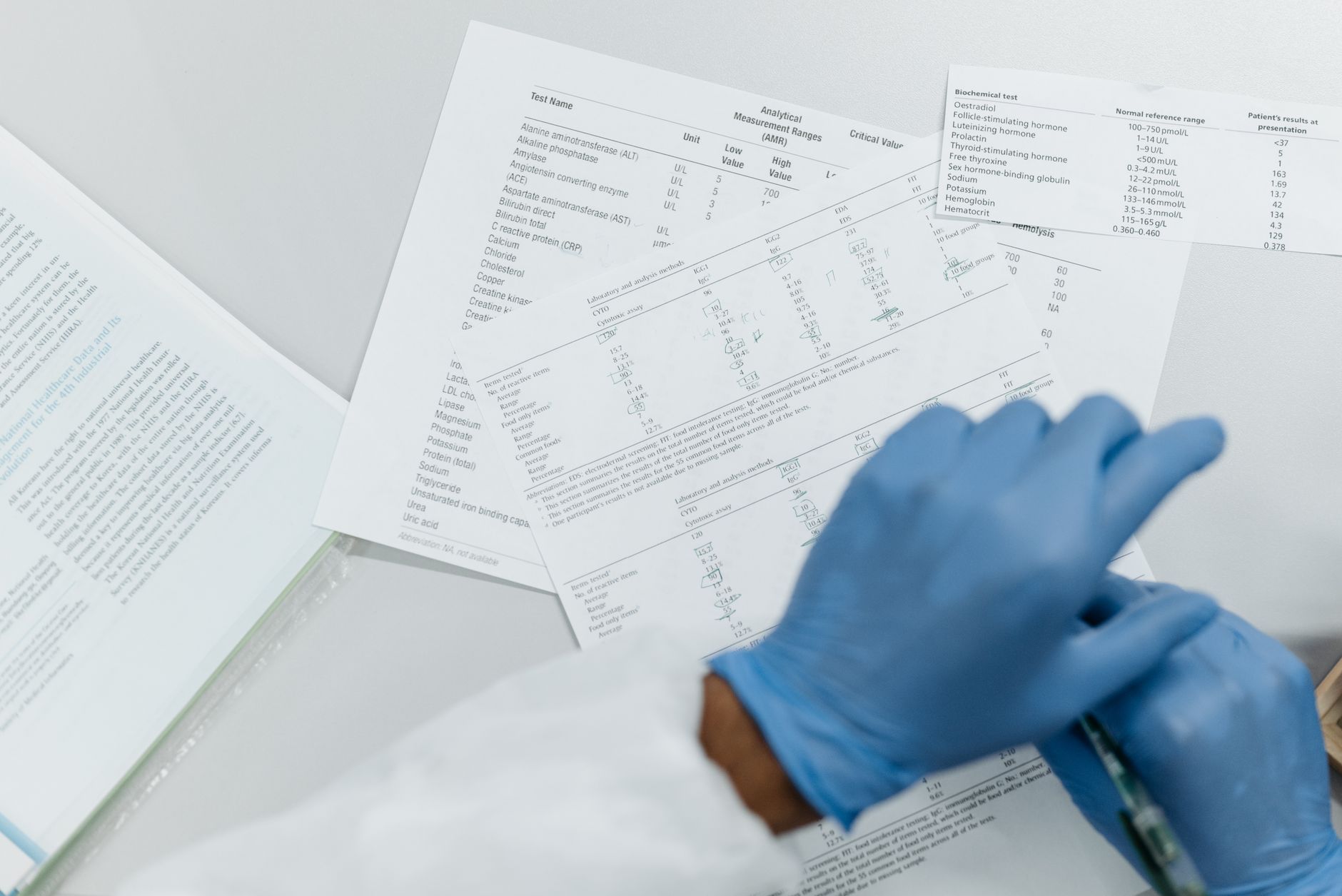
Vitamin D blood level: reading 25-OH-D correctly
A lab result of 30 can be very good or very low — it depends on the unit. What 25-OH-D measures, which thresholds apply and when to test.

Melatonin: the right time to take it in the evening
"Close to bedtime" — but how close? Where the one-to-two-hour rule comes from, why it does not apply to every tablet, and what food changes.

Melatonin: spray or tablet?
A spray reaches the blood faster, a tablet states more precisely how much is in it. What the evidence shows and what matters when buying.

Melatonin for children and teenagers: the rules
For children, melatonin is only available on prescription in the EU. What food supplements may do, what the BfR advises and why teenagers get tired later.

Melatonin for jet lag: direction, timing, amount
The authorised claim is tied to at least 0.5 mg close to bedtime at the destination. Why the direction of the flight decides and when the timing goes wrong.

Is melatonin addictive? What the evidence shows
Tolerance, dependence, rebound: what long-term studies on melatonin actually show, where the data is thin and which kind of habituation really exists.

Melatonin dosage: 0.5, 1, 2, 5 or 10 mg?
The authorised claim is tied to 1 mg per portion, the jet lag claim to 0.5 mg. What higher strengths mean and where medicines law begins.
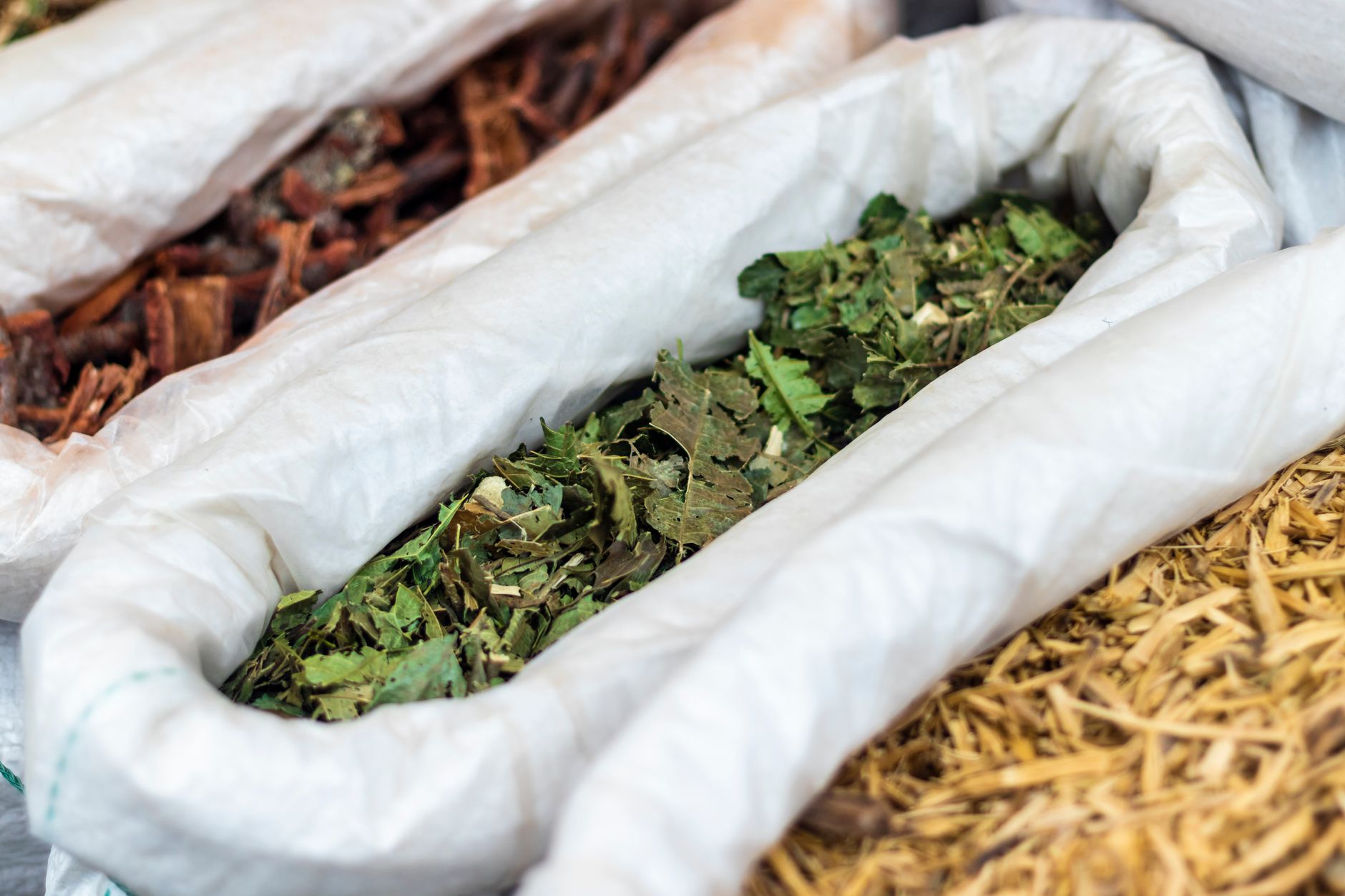
Ashwagandha: root or leaf — what counts in the EU?
Almost everything on the European market is root extract, and there is a reason. What the Novel Food catalogue and national rules say about the plant part.

Ashwagandha: interactions, thyroid, pregnancy
Why ashwagandha tubs carry no list of interactions, which drug groups authorities name, and the groups they advise against taking it at all.

Ashwagandha quality: what counts on the label
Only a quarter of ashwagandha products state a daily amount at all. How to spot a solid declaration: plant part, extract ratio, withanolides per serving.

KSM-66 or Sensoril: 5% vs 10% withanolides
10% is not double 5%: the two best-known branded ashwagandha extracts do not measure the same thing. Plant part, analyte and daily amount compared.

Ashwagandha: how long to take it, and when to pause
Eight weeks on, two weeks off — the rule sounds official, but it isn't. Where the numbers come from and what the BfR and EMA actually say about duration.

Griffonia simplicifolia: the plant behind 5-HTP
5-HTP comes from the seeds of Griffonia simplicifolia. What the plant is, how the seeds become an extract and which number on the label actually counts.

5-HTP: morning or evening, with or without food?
With a meal rather than on an empty stomach — and why that does not slow absorption. What is actually documented about the time of day and what is merely copied.

5-HTP dosage: how much is actually in there?
Milligrams of extract are not milligrams of 5-HTP. How to work out the daily amount from the label — and what the 30 percent limit really limits.
Too much magnesium: reading the 250 mg limit
250 mg maximum in a supplement, 375 mg NRV: why the two figures do not contradict each other and what actually happens with too much magnesium.

Taking magnesium: morning, evening or split?
Is there a best time of day for magnesium? What actually counts: portion size, regularity and the gap to certain medicines.

Magnesium and vitamin D: what connects them
Magnesium is said to "activate" vitamin D: where that sentence comes from, what the studies actually show and which claims are authorised for the two.
Magnesium and calcium: reading the 2:1 ratio
Where the 2:1 ratio of calcium to magnesium comes from, why it is not a dosing rule, and whether the two minerals have to be taken separately.

Magnesium daily requirement: 375, 350 or 250 mg?
375 mg NRV, 350 or 300 mg estimated value, 250 mg maximum in a supplement: which figure applies to what, and how much of it the diet already covers.

Magnesium and exercise: what sweat actually costs
How much magnesium is really lost in sweat during exercise, what the authorised claims cover and what the data actually say about muscle cramps.

Magnesium and sleep: what may be claimed
No sleep claim is authorised for magnesium. What the studies actually show, which claim melatonin carries and how to read a combination product.
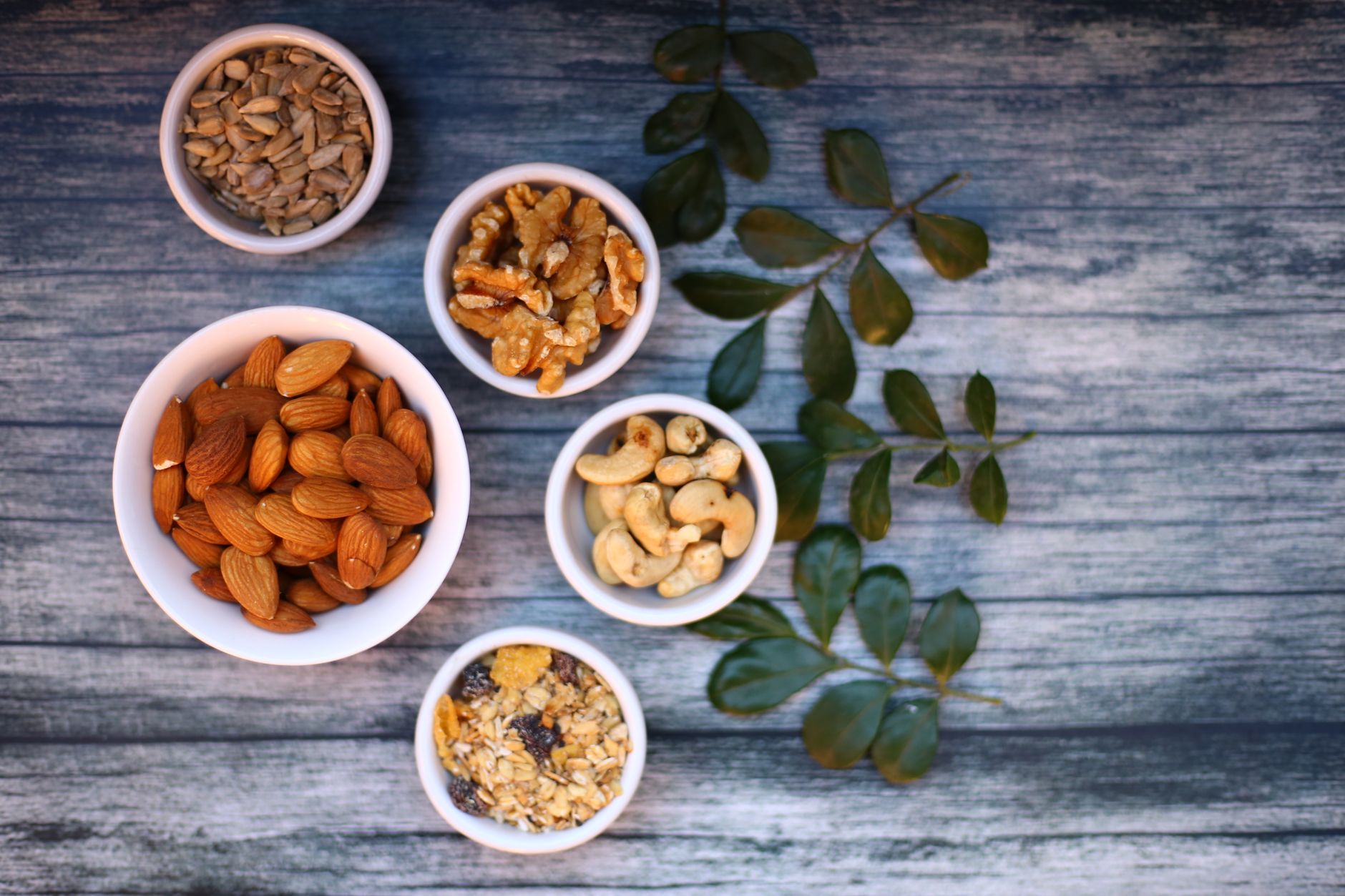
Magnesium in food: table & realistic portions
Pumpkin seeds top every magnesium table, yet people eat 15 g of them. Which foods actually deliver the most per realistic portion – with two tables.

Buying magnesium: compare the price per mg properly
The pack price says little. How to work out the price per 100 mg of elemental magnesium, what a label has to state and which additives are usual.

Magnesium forms compared: bisglycinate, citrate & co.
Magnesium bisglycinate, citrate, oxide and malate: how the forms differ chemically, what elemental content means and how to read a label properly.
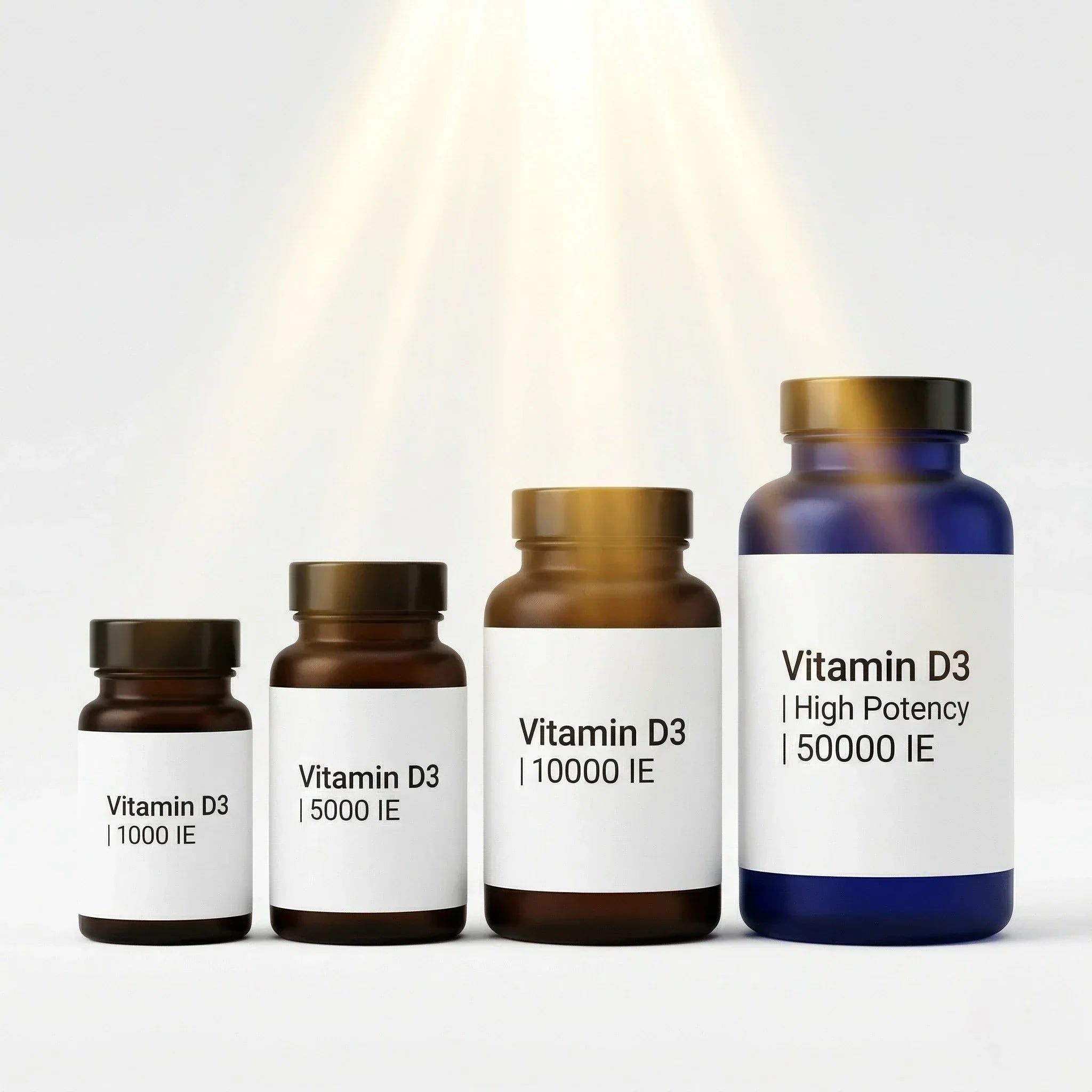
Vitamin D3 dosage: 1000 IU to 10000 IU – what makes sense?
How much vitamin D per day makes sense? Compare dosages from 1000 IU to 10000 IU, daily versus weekly intake and depot effects.
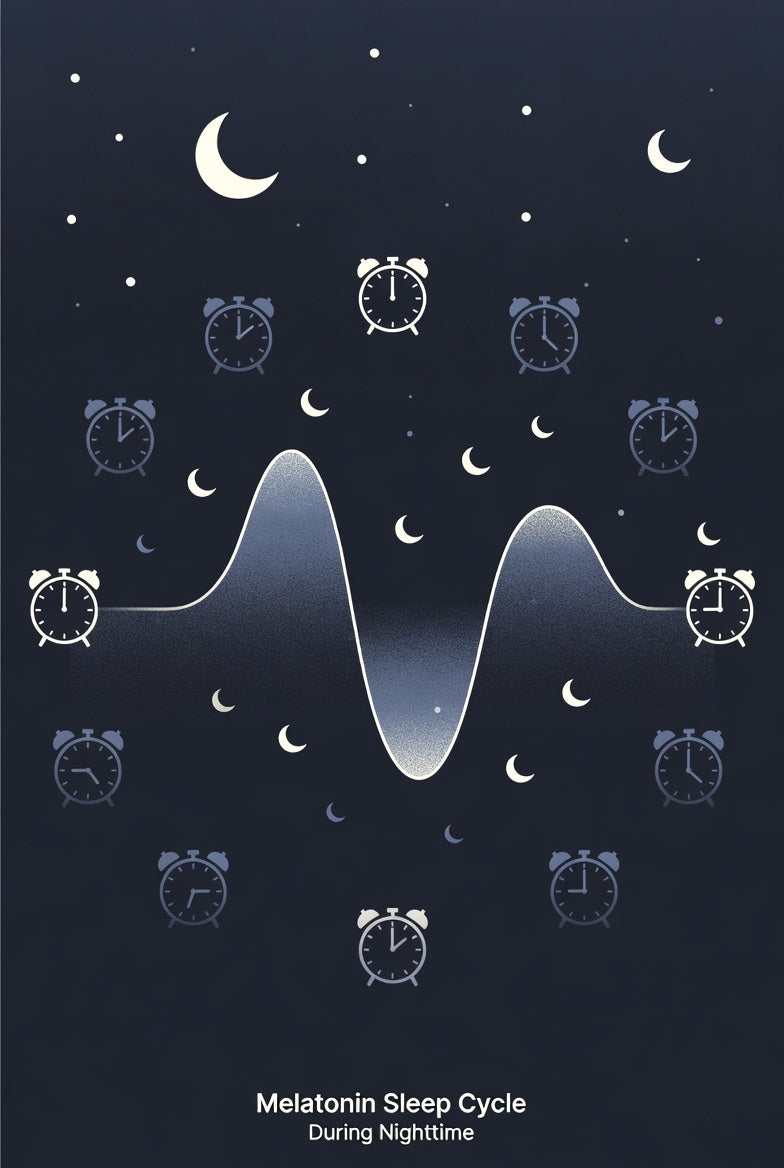
Melatonin duration: how long does it act in the body?
How long does melatonin last? Half-life, how the body clears it and how to avoid feeling groggy the next morning.

Melatonin, valerian and ashwagandha compared
Melatonin, valerian and ashwagandha compared: origin, use and differences between the three substances, set out factually.

Melatonin and shift work: a guide to taking it
Melatonin 10 mg and shift work: guidance on how, when and how much to take for daytime sleep after a night shift.

Vitamin D3 K2 20,000 IU: the high dose compared
High-dose vitamin D3/K2 (20,000 IU): how it differs from lower dosages and what to bear in mind when taking it.

Why shouldn't you take alcohol and melatonin together?
Alcohol and melatonin together? Why this combination disrupts sleep, what the risks are and what to watch out for — clearly explained.
Taking vitamin D3 K2 5000 IU correctly: a guide
Vitamin D3 and K2 (5000 IU): guidance on intake, timing and combining these two fat-soluble vitamins, summarised factually.
The Impact of Vitamin D3 and Alcohol Interaction on Health
The Impact of Vitamin D3 and Alcohol Interaction on HealthIntroductionWelcome, dear readers. Health is our most valuable asset, and the daily decisions we make have an enormous influence on it. In par

Ashwagandha and ginseng compared: the differences
Ashwagandha and ginseng compared: origin, botanical characteristics and traditional use of the two plants, set out factually.

Ashwagandha recipes: simple ideas for everyday life
Ashwagandha (Withania somnifera) in the kitchen: simple recipe ideas and tips for working the Ayurvedic powder into everyday life without fuss.
Ashwagandha side effects: the possible risks at a glance
Ashwagandha (Withania somnifera): the plant's origin, use in Ayurveda plus possible side effects and interactions, in a factual overview.

Ashwagandha for students: what to know about the Ayurvedic root
Ashwagandha (Withania somnifera): origin, Ayurvedic tradition and background on the root — an overview for student life.

Ashwagandha for skin: traditional use at a glance
Ashwagandha in skincare: origin, traditional use in Ayurveda and a simple do-it-yourself recipe, at a glance.

Can you take too much vitamin D?
Can vitamin D be overdosed? What counts as too much, where the normal range lies and what to watch for at higher dosages.

Vitamin K2 and calcium: the combination at a glance
Taking vitamin K2, D3 and calcium together: what to watch for in this combination and which interactions are possible — explained factually.

Vitamin K2 overdose: what you should know
Overdosing vitamin K2 and D3: what counts as too much, the role of the recommended amount and what to watch for when taking them.
5-HTP: what to know about taking it
5-HTP (300 mg): background on the origin, use and intake of this amino acid precursor — summarised factually.

Can you take vitamin D3 on an empty stomach?
Vitamin D3 on an empty stomach or with a meal? Guidance on the best time to take this fat-soluble vitamin, summarised factually.