Magnesium in food: table & realistic portions
Futures Nutrition Editorial Team · 10 August 2026
10 August 2026
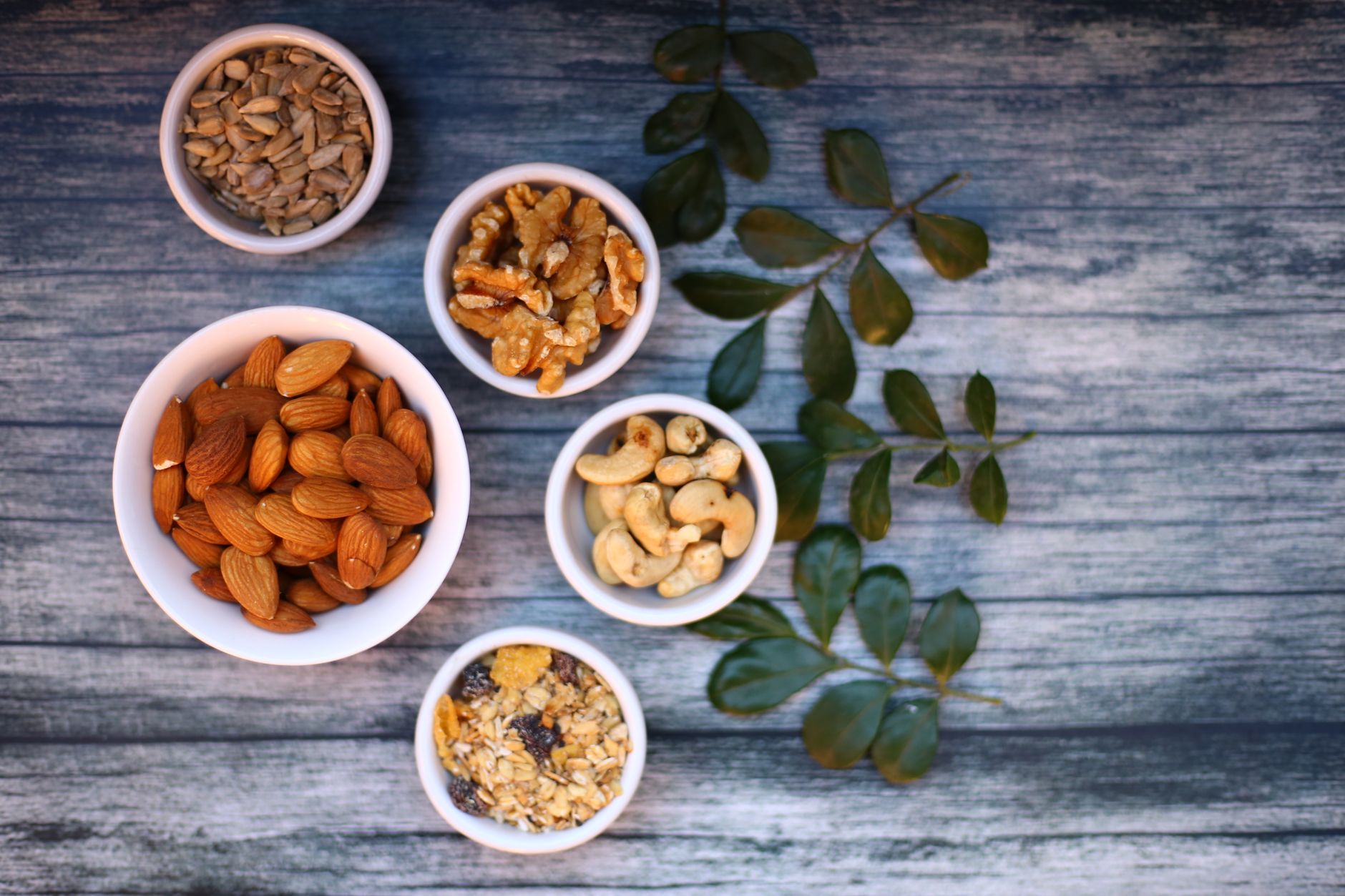
At the top of every magnesium table sit wheat bran, pumpkin seeds and cocoa powder. That is correct and still misleading, because all three have one thing in common: nobody eats 100 g of them. A tablespoon of pumpkin seeds weighs around 15 g, a tablespoon of wheat bran about 10 g. What actually fills the day are the unspectacular items – bread, pasta, rice, potatoes, pulses and the water in the glass – because they land on the plate several times a day in portions of 100 to 250 g.
This article brings both together: the usual table with milligrams per 100 g, and a second table with milligrams per realistic portion. The second one is the table you shop by.
Magnesium contributes to the reduction of tiredness and fatigue. Magnesium contributes to normal muscle function. Magnesium contributes to the normal functioning of the nervous system.
Why the 100 g table is misleading
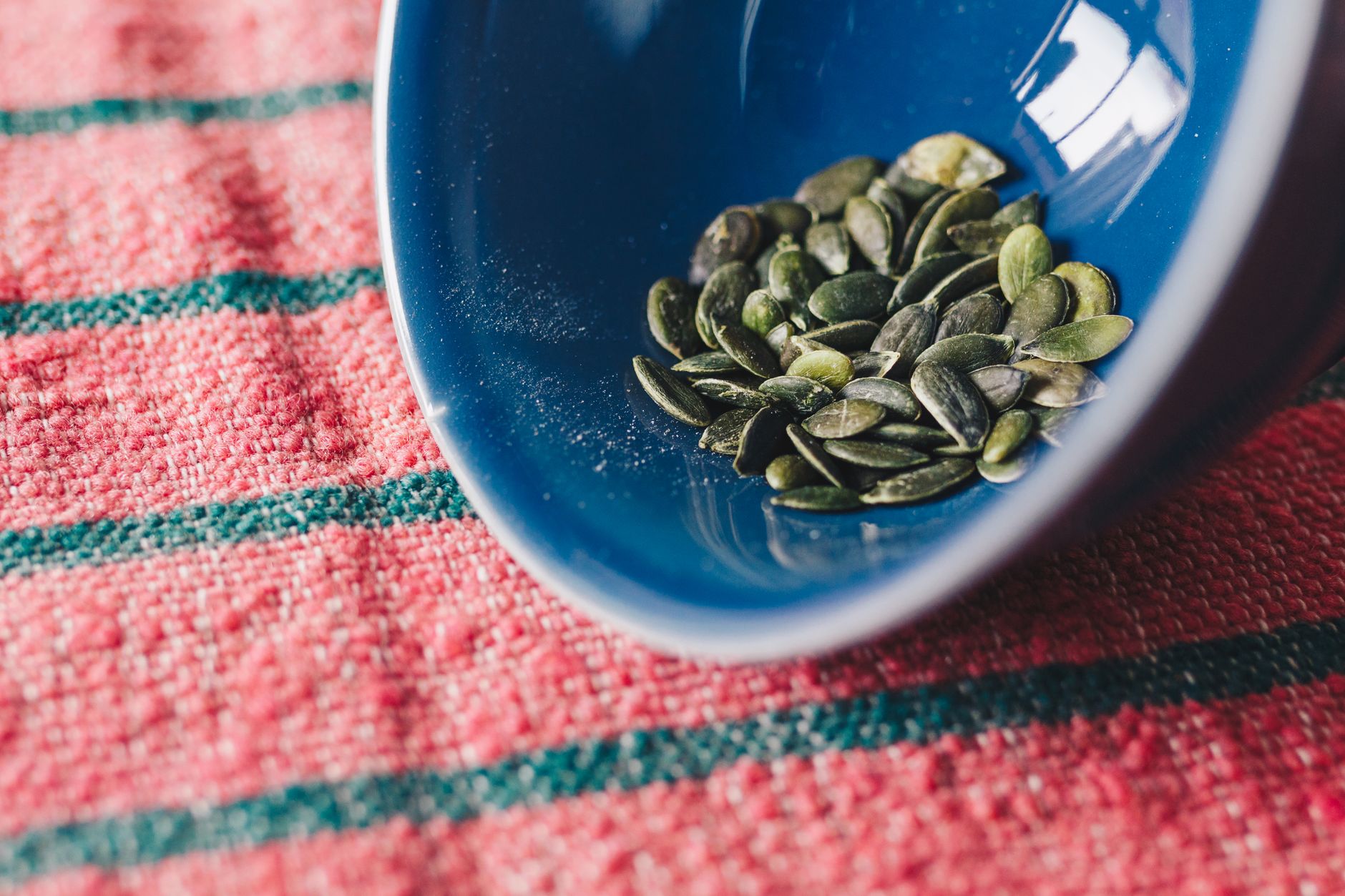
Nutrition tables are standardised to 100 g so that foods can be compared at all. For milk or potatoes that is a sensible size, for spices, bran and seeds it is not. Pumpkin seeds provide around 400 mg of magnesium per 100 g – but 100 g of pumpkin seeds is a heaped cereal bowl and around 550 kilocalories.
Conversely, cooked brown rice looks meagre at around 40 mg per 100 g. A normal side portion, however, is 150 g, and rice does not sit alone on the plate. The mistake in the mental arithmetic is always the same: people compare foods when they should be comparing meals.
Table 1: magnesium per 100 g
Average values from common nutrition tables, rounded. They vary with variety, soil, milling degree and preparation – what matters is the order of magnitude, not the decimal place.
| Food | Magnesium per 100 g |
|---|---|
| Wheat bran | 550 mg |
| Pumpkin seeds | 400 mg |
| Cocoa powder, highly de-oiled | 400 mg |
| Sunflower seeds | 350 mg |
| Linseed | 350 mg |
| Cashew nuts | 270 mg |
| Almonds | 260 mg |
| Dark chocolate (70 % cocoa and above) | 180 mg |
| Hazelnuts | 155 mg |
| Rolled oats | 140 mg |
| Wholegrain pasta, raw | 140 mg |
| Lentils, raw | 130 mg |
| Brown rice, raw | 120 mg |
| Wholegrain bread | 60 mg |
| Spinach, cooked | 55 mg |
| Chickpeas, cooked | 45 mg |
| Wholegrain pasta, cooked | 45 mg |
| Brown rice, cooked | 40 mg |
| Emmental | 35 mg |
| Lentils, cooked | 35 mg |
| Kale, cooked | 30 mg |
| Salmon | 30 mg |
| Banana | 30 mg |
| Avocado | 30 mg |
| Broccoli, cooked | 20 mg |
| Potatoes, cooked | 20 mg |
| White bread, bread roll | 20 mg |
| Milk | 12 mg |
Two pairs of rows in this table are the actual information: lentils raw 130 mg / cooked 35 mg and pasta raw 140 mg / cooked 45 mg. More on that shortly.
Table 2: magnesium per realistic portion
The same foods, only with the amount that is usually eaten:
| Portion | Amount | Magnesium (approx.) |
|---|---|---|
| Wholegrain pasta, cooked | 200 g | 90 mg |
| Rolled oats | 60 g (large cereal bowl) | 80 mg |
| Almonds | 25 g (a handful) | 65 mg |
| Brown rice, cooked | 150 g | 60 mg |
| Pumpkin seeds | 15 g (1 tbsp) | 60 mg |
| Wholegrain bread | 2 slices (100 g) | 60 mg |
| Lentils, cooked | 150 g | 55 mg |
| Spinach, cooked | 100 g side portion | 55 mg |
| Wheat bran | 10 g (1 tbsp) | 55 mg |
| magnesium-containing mineral water | 1 litre | 50–100 mg |
| Broccoli, cooked | 200 g | 40 mg |
| Potatoes, cooked | 200 g | 40 mg |
| Cocoa powder | 10 g (1 tbsp) | 40 mg |
| Banana | 1 piece (120 g) | 35 mg |
| Dark chocolate | 20 g (2 squares) | 35 mg |
Comparing the two tables shows something unexpected: pumpkin seeds do slip from second place to a mid-table position, but they do not disappear – one tablespoon still delivers as much as two slices of wholegrain bread. Seeds are therefore anything but pointless. The difference lies elsewhere: pasta, bread, rice and potatoes turn up two to three times on an ordinary day, a tablespoon of seeds usually not at all. Over the day it is repetition that decides, not the top position in the table.
A full day is built by adding up portions, then, not by finding one champion food.
Raw or cooked: the second trap
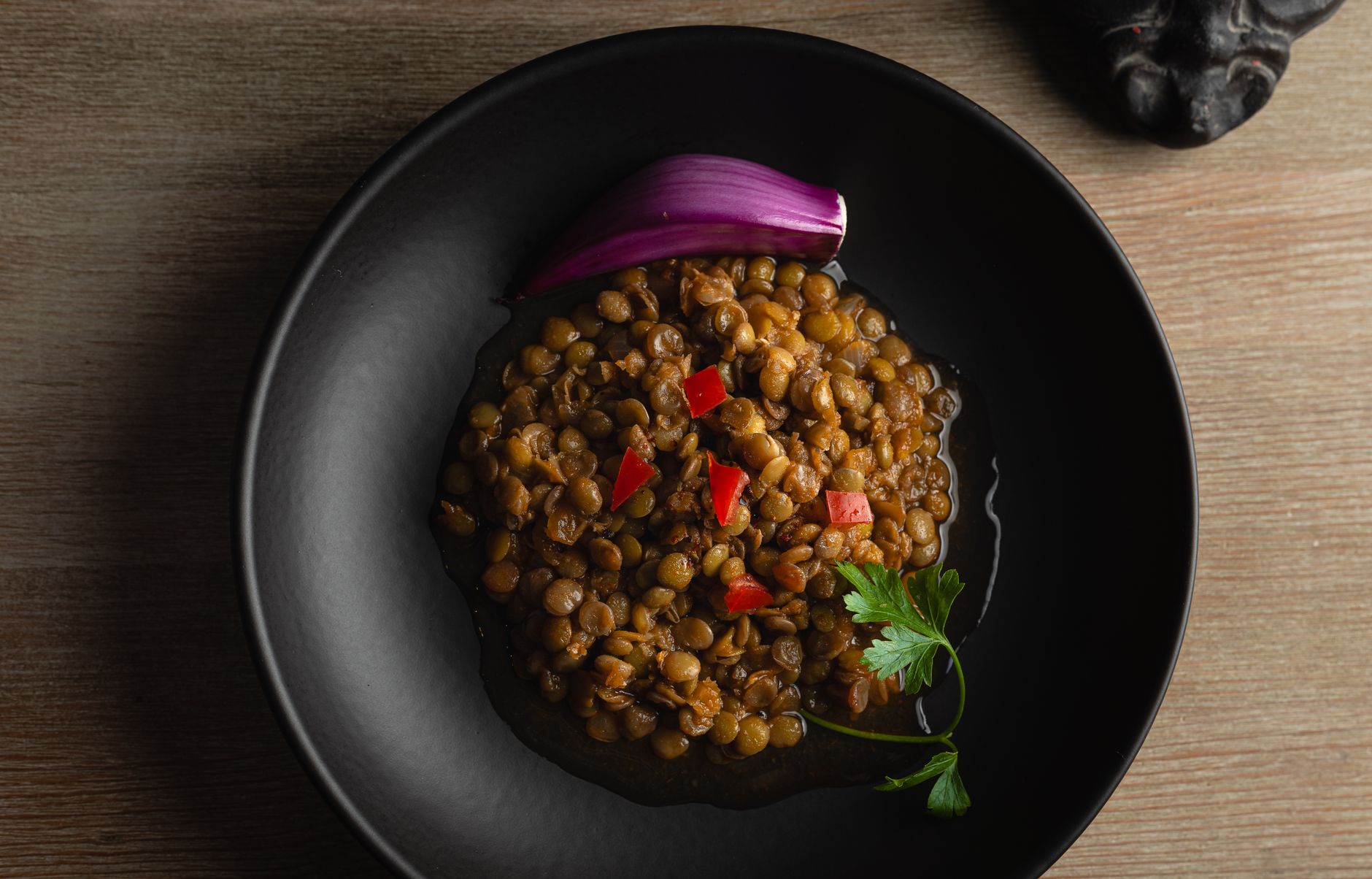
For pulses, rice, pasta and cereals many tables list the raw, dry state – after all, that is how the product is sold. What lies on the plate, however, is cooked, and it has taken up water: 100 g of dry lentils become a good 250 g once cooked. The magnesium content per 100 g therefore falls arithmetically to a third or a quarter without a single milligram having been lost.
Something is lost all the same, but by a different route: magnesium is water-soluble. If food is cooked in plenty of water and the cooking water is poured away, part of it goes with it. How large that share is depends on the amount of water, how finely the food is chopped and the cooking time; figures in the literature range from a few per cent to a third. In practice this means: stews and risotto keep more than drained pasta, steamed vegetables more than boiled ones.
Anyone reading a table should therefore first check whether it says raw or cooked. Both figures are correct – they are simply not the same number.
Wholegrain or white flour: where the difference comes from
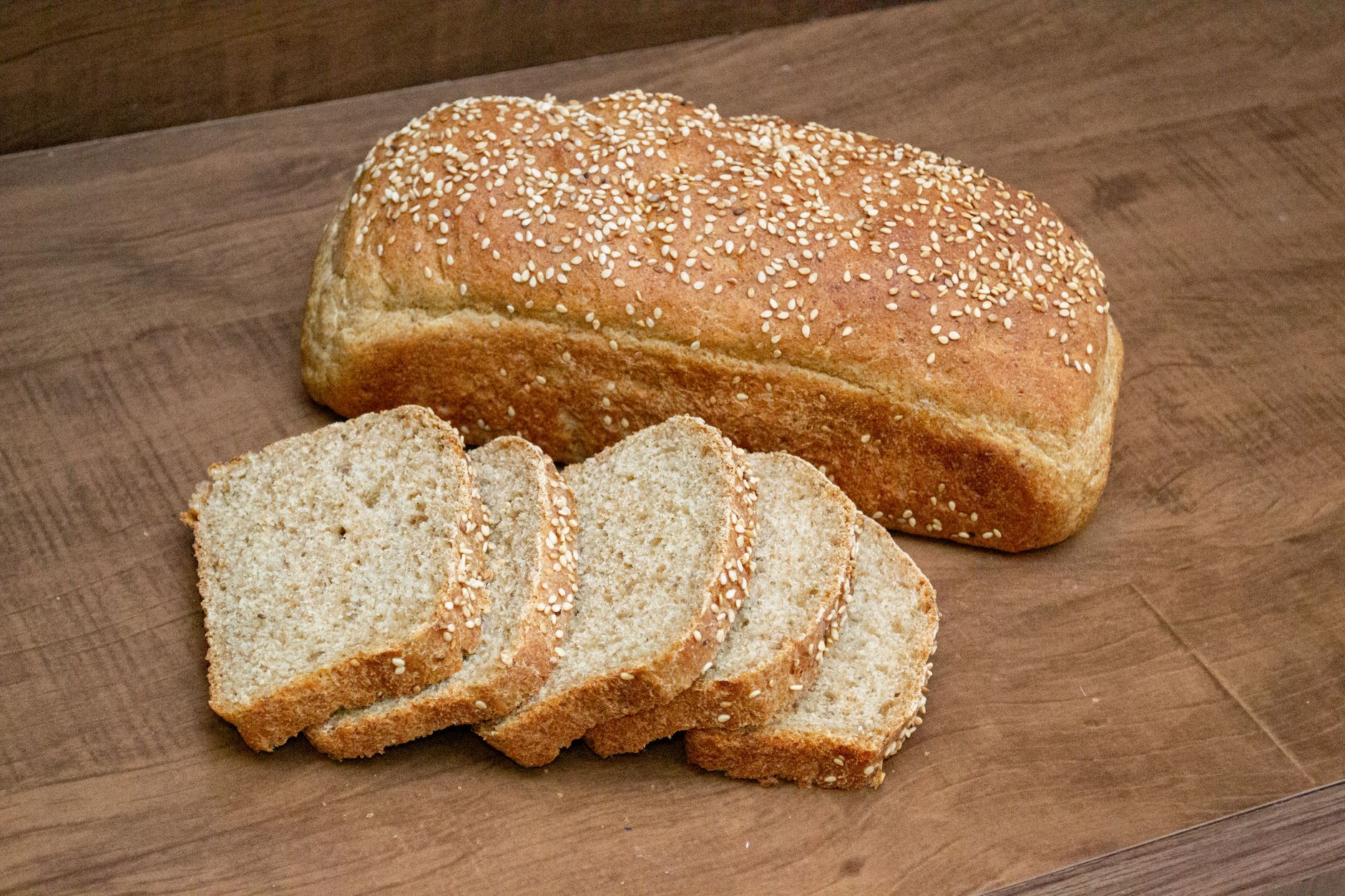
In cereals the magnesium sits mainly in the outer layers and in the germ – precisely the parts that are removed when the grain is milled into white flour. That is why wholegrain bread comes in at around 60 mg per 100 g and a wheat roll at about 20 mg. Over a day with breakfast bread, a sandwich and a side dish, this difference adds up to 80 to 120 mg – more than most people gain from individual "superfoods".
This is the most effective lever in the whole article, and it costs nothing: switching to the wholegrain version for bread, pasta and rice changes the daily balance more than any additional ingredient.
Water counts too
Mineral water is almost always forgotten in the calculation, even though one to two litres of it are drunk every day. In the EU a mineral water may be labelled as "contains magnesium" if it holds more than 50 mg of magnesium per litre; individual waters are well above that. The exact content is given in the analysis on the bottle label.
Two litres of a mineral-rich water can therefore contribute more than a tablet – and with tap water it is worth looking at the analysis published by the local supplier, because hard water contains magnesium alongside calcium.
How much of it actually arrives?
Not everything on the plate is absorbed. For magnesium from a mixed diet, absorption rates of roughly 30 to 50 % are cited, depending on the study and on the amount consumed. Two points, so that the figure is not misread:
- The percentage falls as the amount rises. The larger the single dose, the smaller the proportion absorbed. This applies to foods as it does to supplements – which is also why larger amounts are better split over two intakes.
- Phytate from wholegrain products and pulses binds minerals and lowers absorption arithmetically. Soaking, sprouting and sourdough fermentation break down part of it. Even so, more magnesium is left at the end of the calculation than with the refined alternative – a wholegrain bread with a somewhat lower absorption rate beats a white bread with a third of the content.
One thing matters here: the reference values for intake are already formulated for a normal mixed diet. So there is no need to subtract the absorption share on top – otherwise you calculate yourself a gap that does not exist.
When food alone is not enough
If a real gap remains after taking stock, the question is one of milligrams of elemental magnesium. And here the third confusion lies in wait: "500 mg of magnesium citrate" is not 500 mg of magnesium, because the binding partner is on the scales too. Which compound brings how much of it is set out in Magnesium forms compared.
Our magnesium bisglycinate 150 mg provides 150 mg of elemental magnesium per tablet, that is 40 % of the nutrient reference value – roughly as much as two portions of wholegrain pasta. The German Federal Institute for Risk Assessment proposes a maximum of 250 mg of magnesium per day from food supplements, in addition to the diet.

In combination products such as hawthorn + magnesium the magnesium share per daily portion is smaller; what counts is the figure on the pack. You will find an overview in the minerals category.
Food supplements are not a substitute for a balanced and varied diet and a healthy lifestyle.
The authorised claims for magnesium
So that it is clear what may be said at all – this is the complete list (Regulation (EU) No 432/2012):
- Magnesium contributes to the reduction of tiredness and fatigue.
- Magnesium contributes to normal muscle function.
- Magnesium contributes to the normal functioning of the nervous system.
- Magnesium contributes to electrolyte balance.
- Magnesium contributes to normal energy-yielding metabolism.
- Magnesium contributes to the maintenance of normal bones and teeth.
These claims apply to the nutrient magnesium – regardless of whether it comes from a food or from a tablet.
Frequently asked questions
Which food contains the most magnesium?
Per 100 g, wheat bran, followed by pumpkin seeds and highly de-oiled cocoa powder. Per usual portion, cooked wholegrain pasta, a large bowl of rolled oats and a handful of almonds lead the field. Both answers are correct – they answer different questions.
Is chocolate a good source of magnesium?
Dark chocolate from 70 % cocoa upwards comes in at around 180 mg per 100 g, so a usual portion of 20 g brings about 35 mg. That is a pleasant side contribution, but no reason to plan the amount around it: those 35 mg arrive together with roughly 110 kilocalories and sugar.
Do vegetables lose their magnesium during cooking?
Part of it passes into the cooking water, because magnesium is water-soluble. How much depends on the amount of water and the cooking time. Steaming, short cooking times or using the cooking water in soups and sauces keep more of it in the meal.
Is a vegetarian or vegan diet enough for magnesium?
Wholegrain cereals, pulses, nuts and seeds are the most magnesium-rich food groups there are – plant-based diets tend to have the advantage here. Anyone who suspects an inadequate supply or who takes medicines long term should have this clarified by a doctor rather than supplementing on suspicion.
Matching products from our range
Sources: Regulation (EU) No 432/2012 (authorised claims); Regulation (EU) No 1169/2011, Annex XIII (nutrient reference values); D-A-CH reference values for nutrient intake, magnesium (2021 revision), German Nutrition Society (DGE); DGE, selected questions and answers on magnesium; German Federal Institute for Risk Assessment, proposed maximum levels for magnesium in food supplements; German nutrient database (Bundeslebensmittelschlüssel) and Souci/Fachmann/Kraut, Food Composition and Nutrition Tables; Directive 2009/54/EC, Annex III (labelling "contains magnesium"). Back to the Magazine