Sort by
Buy ashwagandha: root extract with 10% withanolides, 365 tablets
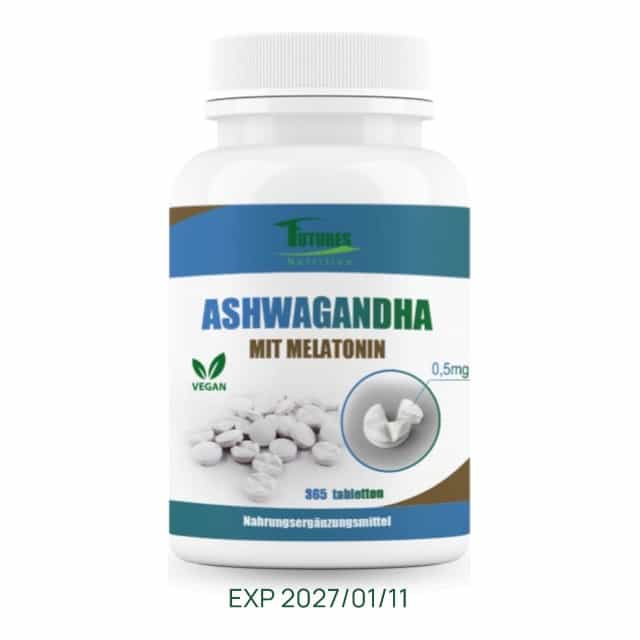
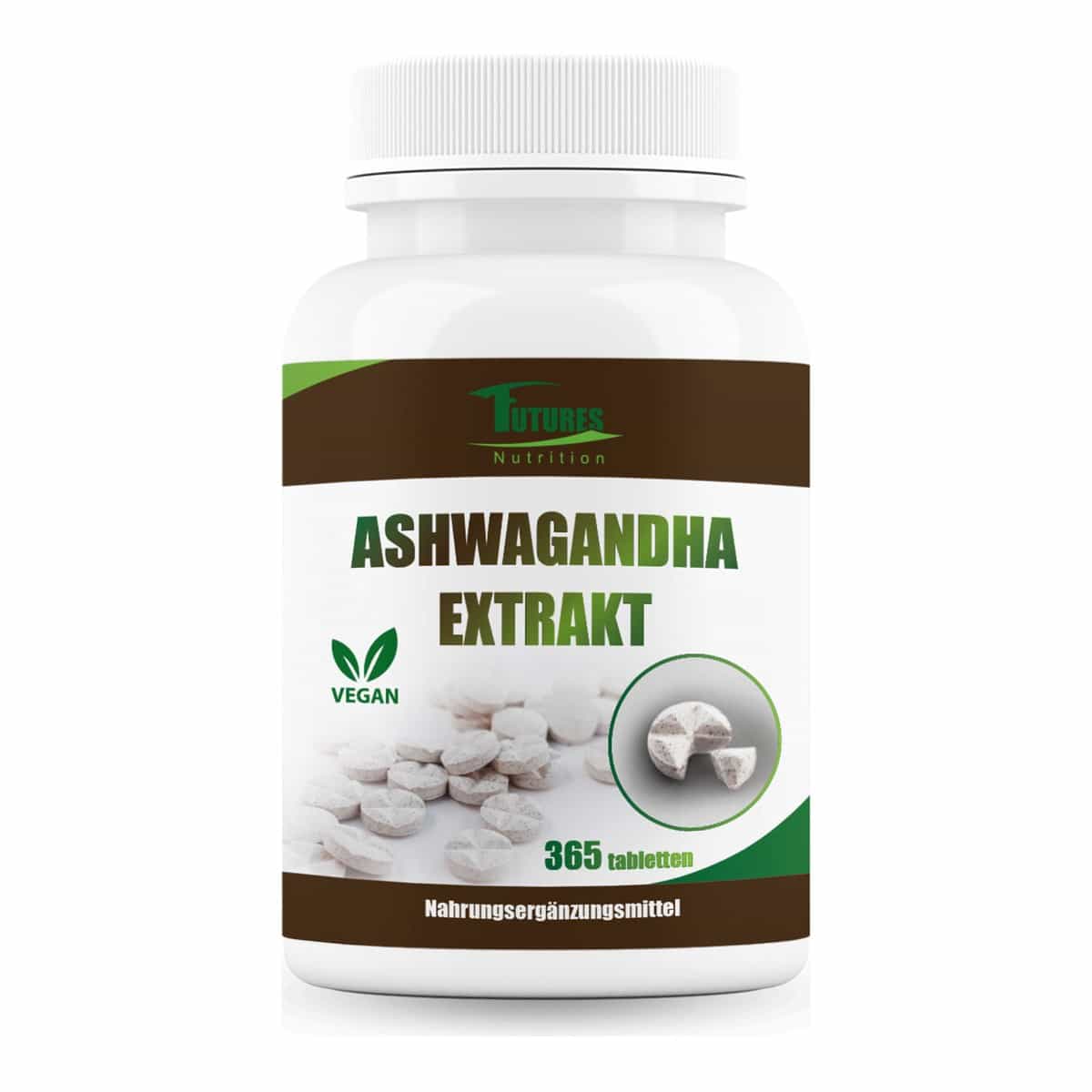
Here the two ashwagandha products in our range stand side by side: the pure root extract from Withania somnifera, standardised to 10% withanolides, and the same root combined with melatonin — both as a year's supply of 365 tablets.
One thing first, because it makes this page more honest than most: there is no authorised health claim for ashwagandha. What you read here are therefore facts about the plant, the extract and how to take it — not promises. Melatonin carries two authorised claims; they are shown on the product page of the combination product.
How to recognise a cleanly declared extract and what “10% withanolides” means is explained in the guide on quality.
Ashwagandha quality: what counts on the labelHow to take it: timing, duration, breaks
No health claim is authorised for ashwagandha. How it is taken follows the recommended intake alone:
According to the recommended intake, both products are taken as one tablet a day — the pure extract swallowed whole with enough liquid at a meal, the combination with melatonin about 30 minutes before going to bed. How long a course usually lasts and whether breaks make sense is covered in the guide on duration.
Not suitable during pregnancy and breastfeeding. Anyone taking medicines — thyroid hormones, sedatives or sleeping pills in particular — or who has a thyroid or liver condition should check with a doctor or pharmacist first. Stop taking it if you notice any complaints.
What counts is always the recommended intake on the pack itself. The stated recommended daily intake must not be exceeded. Food supplements are not a substitute for a balanced and varied diet and a healthy lifestyle.
Ashwagandha: how long to take it, and when to pauseFrequently asked questions about ashwagandha
What side effects does ashwagandha have?
The most frequently reported in studies are gastrointestinal complaints and tiredness, usually mild. Isolated cases of liver complaints have been described and are the reason for the warnings; anyone who notices complaints stops taking it. The overview with frequencies and sources is in the magazine.
Ashwagandha side effects: the possible risks at a glanceAshwagandha and the thyroid, L-Thyroxin, pregnancy?
Ashwagandha can affect thyroid values — anyone taking L-Thyroxin or who has a thyroid condition should check with a doctor first. During pregnancy and breastfeeding the product is not suitable. Further interactions, for instance with sedatives, are in the guide.
Ashwagandha: interactions, thyroid, pregnancyAshwagandha and sleep: what is authorised?
Nothing. No health claim is authorised for ashwagandha, none on sleep either — which is why none appears here. In the combination product only the melatonin carries authorised claims: “Melatonin contributes to the reduction of time taken to fall asleep” from 1 mg and “Melatonin contributes to the alleviation of subjective feelings of jet lag” from 0.5 mg, each shortly before going to bed.
Melatonin, valerian and ashwagandha comparedHow long to take it, and are breaks needed?
Most studies run for 8 to 12 weeks; data on intake over years is lacking. The custom of pausing after a few weeks comes from traditional use. With a year's supply, that is the point worth knowing beforehand.
Ashwagandha: how long to take it, and when to pauseKSM-66, Sensoril or 10% withanolides — what is behind them?
These are extract standards with different withanolide contents: KSM-66 is standardised to around 5%, Sensoril to around 10%, each with its own manufacturing process. Our extract is a root extract with 10% withanolides. What the percentage does and does not tell you is in the comparison.
KSM-66 or Sensoril: 5% vs 10% withanolidesAshwagandha together with ginseng or magnesium?
From the point of view of the recommended intakes, nothing speaks against the same time of day; no documented interaction between ashwagandha and magnesium is known. Ashwagandha and ginseng are different plants with different traditions — how they differ is in the comparison.
Ashwagandha and ginseng compared: the differencesMore on ashwagandha in the magazine
What can be said about ashwagandha on a factual basis — origin, extracts, the state of the research, safety — is in the guides, with sources named.
- Ashwagandha: root or leaf — what counts in the EU?
- Ashwagandha: interactions, thyroid, pregnancy
- Ashwagandha quality: what counts on the label
- KSM-66 or Sensoril: 5% vs 10% withanolides
- Ashwagandha: how long to take it, and when to pause
- Ashwagandha and ginseng compared: the differences
- Ashwagandha recipes: simple ideas for everyday life
- Ashwagandha side effects: the possible risks at a glance
- Ashwagandha for students: what to know about the Ayurvedic root
- Ashwagandha for skin: traditional use at a glance