Ashwagandha side effects: the possible risks at a glance
Futures Nutrition Editorial Team · 11 February 2024


25 March 2024
Introduction to ashwagandha
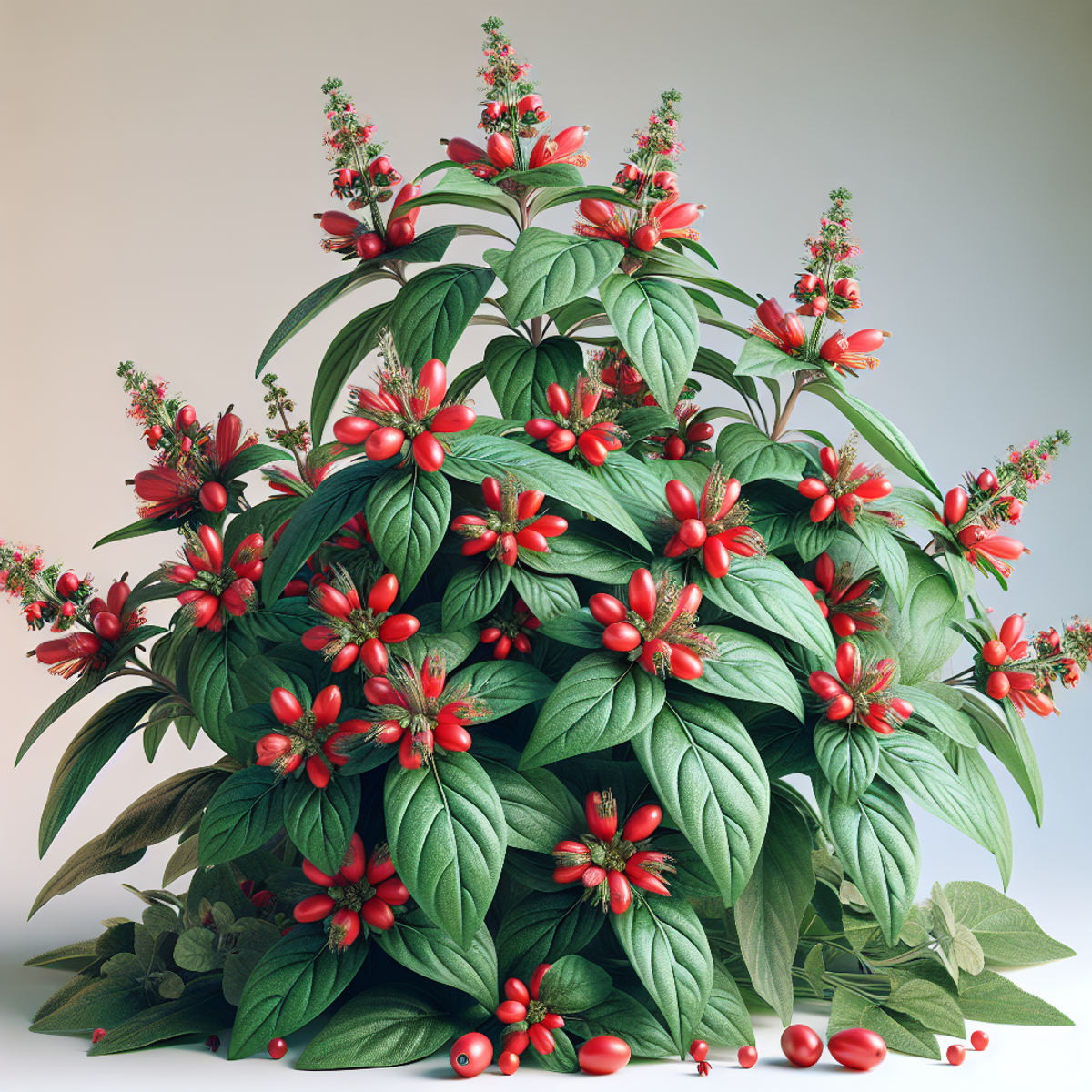
Ashwagandha is a small evergreen shrub with its roots in India, the Middle East and Africa. The plant plays a central role in the Ayurvedic tradition, where it has long been used in many ways.
What is ashwagandha?
- Origin: originally from the dry regions of India and Africa.
- Scientific name: Withania somnifera.
- Traditional use: used in many ways in Ayurvedic practice for centuries.
Using ashwagandha
Ashwagandha is frequently offered as capsules and powders and can be taken in various ways:
- Capsules: an easy-to-dose form for daily use.
- Powder: flexible in use, for example in smoothies or teas.
Ayurvedic medicine
In the Ayurvedic tradition, ashwagandha is among the best-known plants. It has long been used there in handed-down applications — as have ginseng and rhodiola.
If you are interested in practical, long-term use of ashwagandha, you might look at products such as Ashwagandha extract 180 tablets. They offer an easy-to-dose form for daily use.
If you want to combine ashwagandha with melatonin, ready-made products such as Ashwagandha with melatonin 365 tablets are available.
Ashwagandha dosage
The right dosage of ashwagandha can vary from person to person. It is advisable to start with a low dose and adjust as needed. Expert advice from a doctor or naturopath is recommended.
Ashwagandha in the Ayurvedic tradition
Ashwagandha is one of the best-known plants of Ayurveda and has long been part of handed-down applications. Ashwagandha has a long history there.
Many people build the root into their mindful daily routine as a food supplement.
If you want to combine the root with melatonin, products such as Ashwagandha with melatonin 180 tablets are available.
Ashwagandha is also a popular food supplement among physically active people. If you are looking for a high dosage and good quality, Ashwagandha extract 365 tablets is a suitable option.
It is important to note, however, that many handed-down applications of the plant are still being scientifically investigated.
Potential side effects and risks of ashwagandha
Ashwagandha is a popular plant in natural medicine, but it is important to consider possible side effects too. Knowing these risks helps in making informed decisions about taking the supplement.
Gastrointestinal problems from ashwagandha
In some people, ashwagandha can cause gastrointestinal problems. Symptoms include:
- Nausea
- Vomiting
- Diarrhoea
These complaints occur more frequently when the herb is taken at high doses.
Liver problems from ashwagandha
Although rare, there are reports of liver problems in connection with taking ashwagandha. Symptoms of impaired liver function can include:
- Yellowing of the skin or eyes (jaundice)
- Dark urine
- Severe fatigue
People with pre-existing liver conditions should consult their doctor before taking it.
Risk of miscarriage in pregnancy
Pregnant women should be especially cautious, as ashwagandha could increase the risk of miscarriage. It is generally recommended to avoid ashwagandha during pregnancy.
Interactions with medicines
Ashwagandha can interact with certain medicines and either strengthen or weaken their effect. These include:
- Antihyperglycaemic medicines
- Blood pressure medicines
- Immunosuppressants
- Sedatives
Before starting supplementation, consult a doctor in order to rule out possible interactions.
Safety guidance and precautions when using ashwagandha
It is important to observe some safety guidance when taking ashwagandha. The recommended duration of use is generally up to three months. Although there are cases in which longer use can be safe, it is advisable to consult a doctor before considering longer-term use.
Particular attention should be paid to using ashwagandha during pregnancy. There are indications that taking ashwagandha can increase the risk of miscarriage. Pregnant women are therefore generally advised against taking this supplement.
People with certain health conditions should also be cautious. In particular, it is recommended that people with ulcers or liver conditions do not use ashwagandha. That is because ashwagandha can cause gastrointestinal problems and, in rare cases, worsen liver problems.
It is important to stress that even though a supplement such as ashwagandha is natural, it still has the potential for side effects and interactions with medicines. It is therefore essential always to consult your doctor before starting any new supplement.
Ashwagandha side effects: the bottom line
Ashwagandha is a long-established Ayurvedic plant used in many ways as a food supplement. Popular as the root is, it is equally important to be aware of the side effects and risks of ashwagandha:
- Gastrointestinal problems such as diarrhoea and vomiting at high doses
- Rare cases of liver problems
- Increased risk of miscarriage in pregnancy
- Interactions with certain medicines
Before taking ashwagandha, consult a doctor, particularly if you are pregnant or suffer from ulcers or liver conditions. Responsible use, keeping to the recommended dose and duration, can minimise the risk of side effects.