Vitamin K2 overdose: what you should know
Futures Nutrition Editorial Team · 4 February 2022


4 February 2022
Overdosing vitamin D3 and K2

Taking more than the recommended amount constitutes an overdose. According to experts, an overdose is dangerous to health and leads to various complications. Multivitamins are useful and help people stay fit, but it is important to take them in limited amounts. What happens instead is that people take too much vitamin D3 and K2 per day. An excess of vitamin D3 and K2 has side effects — which is why it is advised to consult your doctor before starting multivitamins.
The side effects of overdosing vitamin D3 and K2
- Kidney failure
- Impaired mental state
- Gastrointestinal problems
- Breathing difficulties
Vitamin D3
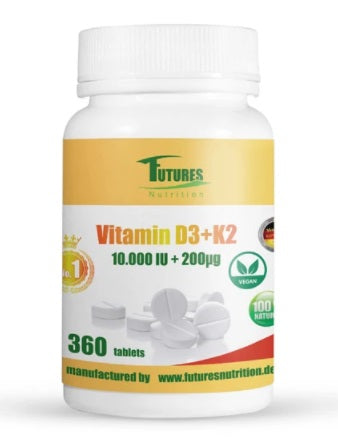
Vitamin D3 (cholecalciferol) is an over-the-counter vitamin D preparation available in various strengths. It comes as tablets and capsules to swallow, as well as an oral solution. Vitamin D contributes to normal absorption of calcium.
It is also used as a food supplement by people who do not get enough vitamin D from their diet. People who may need additional vitamin D include:
-
Older adults
-
Breastfed infants
-
People with very dark skin
-
People with obesity (or who have had gastric bypass surgery)
-
People with certain conditions that can impair nutrient absorption.
Vitamin D3 can be taken alongside other supplements. Avoid overdosing on vitamin D3, however.
Vitamin K2
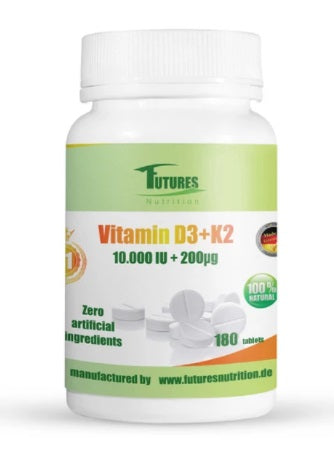
Vitamin K is an important fat-soluble nutrient that contributes to normal blood clotting. There are two types:
Vitamin K1 (phylloquinone): found in leafy greens, vegetables and some plant oils.
Vitamin K2 (menaquinone): found in dairy products, fermented foods and animal products.
Vitamin K2 contributes to normal blood clotting. You can also take vitamin K2 supplements, but clinical studies show that dietary vitamin K2 matters more for the body.
There is, however, no specific recommendation yet for vitamin K2 intake. You should consume between 90 and 120 micrograms of vitamin K and avoid an excess. This requirement is based on vitamin K1, which is needed to prevent bleeding.
How do vitamin D3 and K2 work together?

Vitamins D3 and K2 each work more favourably in the presence of the other. They are therefore two important vitamins needed throughout life. Vitamin K contributes to the maintenance of normal bones by taking part in the utilisation of calcium in the body. At the same time, vitamin D contributes to normal absorption of calcium.
Overdosing vitamin D3
Vitamin D3 toxicity can be caused by overdosing on supplements containing it, but not by dietary intake. Prolonged sun exposure does not cause vitamin D3 toxicity either, because heating of the skin breaks vitamin D3 down and various other, non-functional forms of vitamin D are formed from the thermally activated compound. Long-term intake of vitamin D supplements above the upper limit does, however, lead to symptoms of toxicity.
What happens if you take an excessive dose of vitamin D3? An excess can cause other health problems such as chest pain, breathing difficulties, kidney failure and more.
If the body already has enough vitamin D3 in the blood and a further large amount is taken, that unfortunately also leads to vitamin D toxicity.
Overdosing vitamin K2
A vitamin K2 overdose occurs when someone takes more than the normal or suggested amount. Vitamin K toxicity is rare, but a few cases exist. It can happen accidentally or deliberately. Every component of a vitamin K2 preparation can be toxic in large quantities, but the greatest danger comes from iron or calcium. All the body's organs are affected — bladder, kidneys, heart, intestines, stomach — and the nervous and skeletal systems are damaged too. Blood circulation is also impaired, which sometimes causes a heart attack.
Side effects of vitamin D3

Seek urgent medical help if you have symptoms of an allergic reaction: hives, difficulty breathing, swelling of the face, lips, tongue or throat. Stop taking vitamin D3 and call your doctor at once if you have:
-
Chest pain
-
Growth problems (in a child receiving cholecalciferol)
-
Exhaustion
-
Metallic taste in the mouth
-
Weight loss
-
Muscle or bone pain
-
Constipation, vomiting and nausea
Side effects of vitamin K2
Besides the intended effects, a product can also cause unwanted ones. Not all of these will necessarily occur, but they may require medical help if they do. Below are some side effects associated with taking vitamin K2:
-
Reduced appetite
-
Reduced movement or activity
-
Difficulty breathing
-
Enlargement of the liver
-
General swelling of the body
-
Muscle tightness
-
Paleness, with yellow eyes or skin
-
Difficulty swallowing
Conclusion
Excessive use of anything is risky, and that applies to taking vitamin D3 and K2 as well. There is no doubt that both perform important functions in the body. But taking too much vitamin K2 and D3 causes toxicity and leads to other health problems.
So if you take vitamin D3 and K2, stick to the recommended amount of vitamins rather than an overdose, in order to avoid toxicity.