Iron absorption: vitamin C, coffee and tea
Futures Nutrition Editorial Team · 12 August 2026
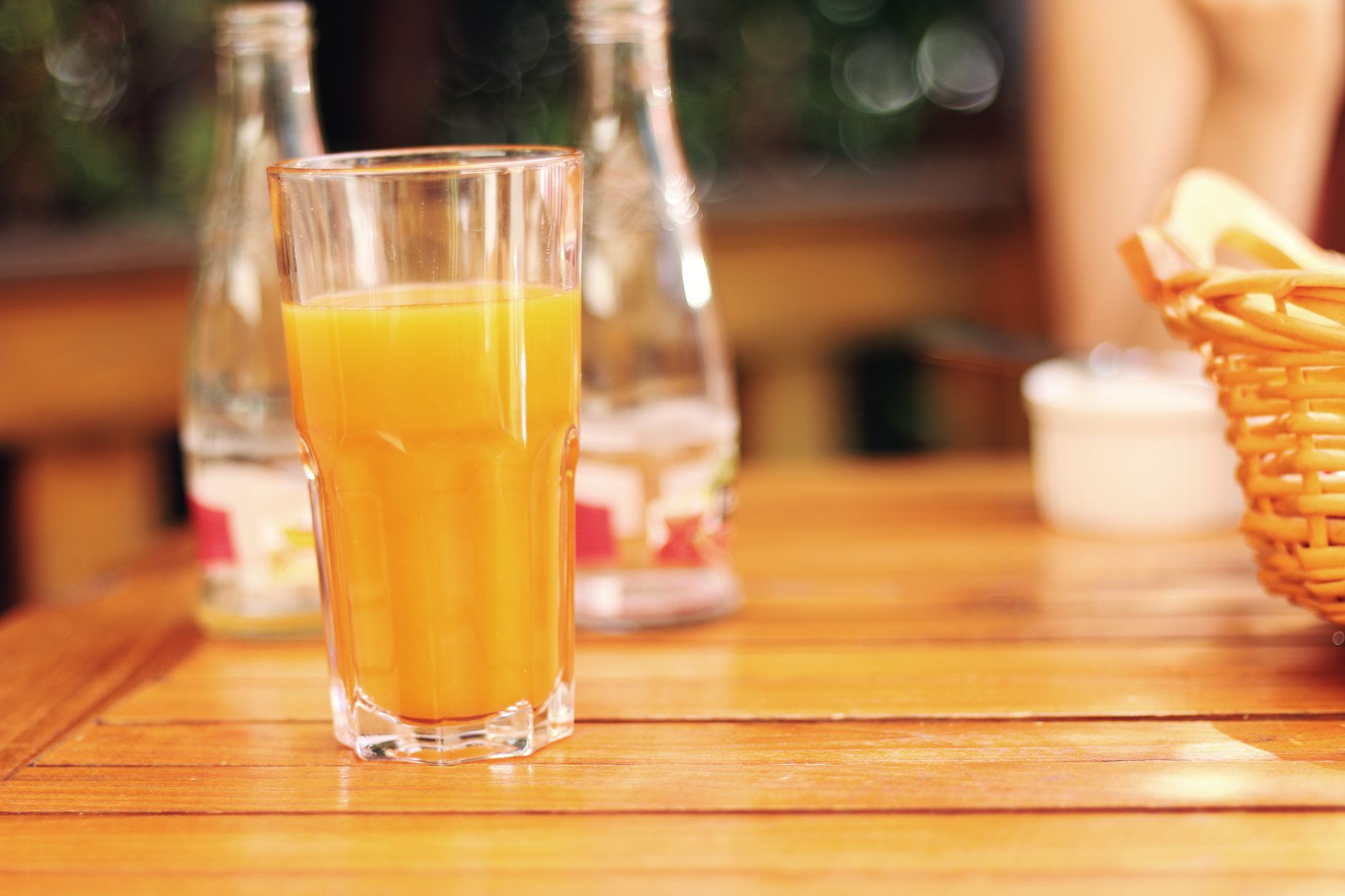
How much iron from a meal actually reaches the body is decided less on the plate than in the glass next to it. Depending on the drink and the side dish, the same portion of lentils can deliver several times as much iron — or almost none. The two levers with the largest measured effect are vitamin C in the same meal (it raises absorption) and coffee, black tea and herbal teas (they lower it, in studies by 39 to 94 per cent).
And one detail that almost everyone has the wrong way round: coffee an hour before the meal is unproblematic. Coffee an hour after the meal slows absorption just as much as coffee taken with it.
Why the number in the food is not the number in the body
An adult absorbs only a small share of the iron contained in a mixed diet; when deriving its reference values, the German Nutrition Society (DGE) works with absorption rates in the region of ten per cent, depending on the group. That is why the recommendations of 11 to 27 mg per day sit so far above the daily loss of one to two milligrams.
What matters is which kind of iron is involved. The DGE puts it like this: the body can make better use of iron from foods of animal origin (divalent iron) than of iron from plant foods. Haem iron from meat and fish is taken up by a pathway of its own and is barely influenced by the rest of the meal. Non-haem iron from grains, pulses, vegetables, eggs and dairy, by contrast, is influenced very strongly — and because it makes up the bulk of intake, it is what this article is about.
The DGE names both directions in a single sentence: the absorption of plant iron can be inhibited by binding to other plant constituents, for example phytates (in wholegrain products and pulses) and polyphenols (in coffee and above all in black tea), and improved by vitamin C (for example in citrus fruit and peppers).
Vitamin C: the enhancer with official wording
Vitamin C is the only dietary factor in this context for which an authorised health claim exists. It appears in Regulation (EU) No 432/2012 and reads verbatim: “Vitamin C increases iron absorption.” It may be used only for foods that meet the minimum requirement for a source of vitamin C.
Two things lie behind this chemically: ascorbic acid converts trivalent iron into the divalent form that the gut can take up, and it binds the iron in a soluble complex that phytates and polyphenols can no longer reach. That explains a finding which keeps recurring in absorption studies: vitamin C works most strongly where the braking is strongest. Hallberg and colleagues summarised it in 1986 by noting that the most pronounced effects of ascorbic acid were found in meals with a high content of ligands known to inhibit iron absorption. With a meal containing meat, the relative gain is small — there is little to rescue there anyway.
How much vitamin C a meal needs
As a guide value, the same work names around 50 mg of vitamin C per main meal for the optimal effect. That is less than it sounds. The German Federal Centre for Nutrition (BZfE) gives the following contents:
| Food | Vitamin C per 100 g |
|---|---|
| Rosehips | 1,250 mg |
| Sea buckthorn | 450 mg |
| Blackcurrants | 170 mg |
| Parsley | 160 mg |
| Red pepper, raw | 140 mg |
| Red pepper, steamed | 110 mg |
| Lemon | 50 mg |
A 200 g portion of broccoli provides around 180 mg according to the BZfE. For the 50 mg with a meal, roughly 40 g of raw pepper, a firm squeeze of lemon over the lentils or a handful of parsley over the potatoes is therefore enough. The reference value for total daily intake is 110 mg for men and 95 mg for women — but the amount that makes a difference for iron has to be in the same meal, not at some point during the day.
The objection worth knowing about
Almost all the impressive numbers on vitamin C come from single-meal tests in fasting subjects. In 2001, Cook and Reddy measured iron absorption from a complete diet over five days at a time — and found no reliable effect of vitamin C intake. Their conclusion: within a varied Western diet, the bioavailability of non-haem iron matters less than single-meal studies suggest; that would also explain why long-term vitamin C supplementation failed to change iron status measurably in several investigations.
Both are correct and do not contradict each other: for the individual meal the effect is large and well documented; over weeks much of it evens out, because the body regulates absorption itself. Anyone deliberately accompanying an iron-rich meal or a tablet is using the short-term effect. Anyone who believes they are steering their iron status with orange juice at breakfast is overestimating it.
Coffee and tea: what the measurements show
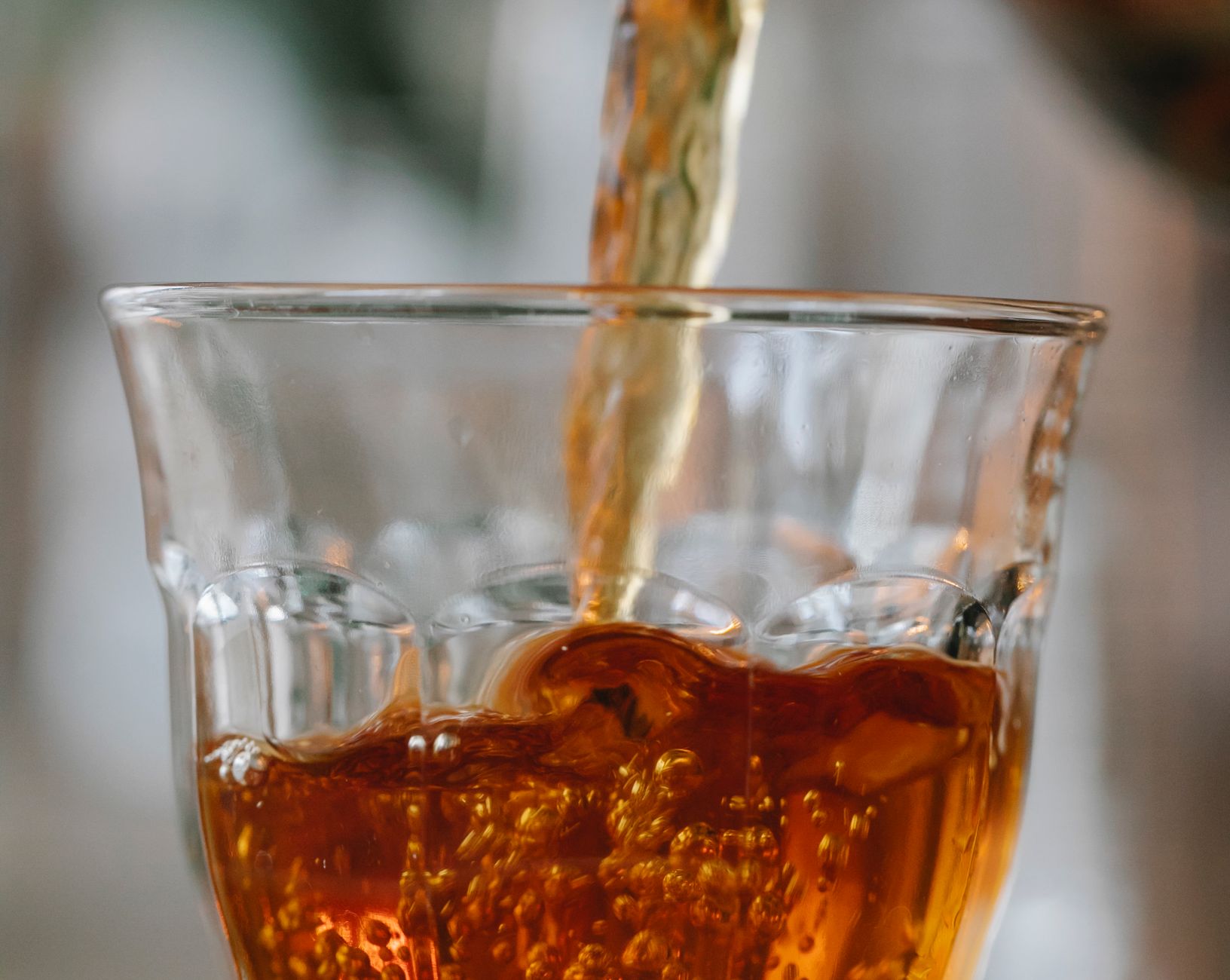
On the braking side the numbers are clearer than on the enhancing side. In 1999, Hurrell and colleagues tested various polyphenol-containing drinks alongside a bread meal and measured the drop in iron absorption:
| Drink with the meal | Drop in iron absorption |
|---|---|
| Black tea | 79–94 % |
| Peppermint tea | 84 % |
| Pennyroyal mint | 73 % |
| Cocoa | 71 % |
| Vervain | 59 % |
| Lime flower | 52 % |
| Camomile | 47 % |
The amount makes the difference: drinks with 20 to 50 mg of polyphenols per serving lowered absorption by 50 to 70 per cent, those with 100 to 400 mg by 60 to 90 per cent. Milk in tea or coffee changes little to nothing about this — the authors checked that explicitly.
For coffee there is the older, often-cited measurement by Morck and colleagues from 1983. With a standardised meal, iron absorption fell from 5.88 per cent to 1.64 per cent with filter coffee and to 0.97 per cent with strong instant coffee. With a hamburger meal, absorption dropped by 39 per cent through a cup of coffee and by 64 per cent through tea.
Two points of context. First: these percentages relate to an already small starting value — 5.88 becomes 1.64 per cent, which in absolute terms, with 5 mg of iron in the meal, is the difference between about 0.3 and 0.08 mg. Second: precisely for that reason it adds up over the years when there is coffee or tea with every meal.
It is also notable that herbal teas inhibit absorption too. Peppermint tea came out above the value for cocoa in that study — the widespread assumption that only black tea is an issue does not hold.
The gap — and why most people place it the wrong way round

The practically most important finding of the 1983 coffee study is not a percentage but a time. When the coffee was drunk one hour before the meal, no reduction in iron absorption was measurable. When it was drunk one hour afterwards, the inhibition was just as strong as when it was drunk with the meal.
That is the reverse of what many people assume. The wake-up coffee before breakfast is uncritical; the coffee afterwards — at the office, after lunch — is the actual brake. The explanation is that the meal leaves the stomach only gradually: the drink still meets the iron there that is about to be absorbed.
In practice that means: anyone unwilling to give up coffee or tea puts them before the meal or at a clear distance afterwards — the DGE advises drinking no coffee and no black tea during a meal, or shortly before and after it.
Phytate, calcium and what matters day to day
Phytates from wholegrains, pulses and nuts bind iron in the gut. Their content can be lowered by soaking, sprouting, milling or sourdough fermentation — a long-led sourdough is not a baking ritual here but a procedure with a measurable effect. Vitamin C in the same meal partly offsets the phytate effect.
With calcium the picture is less clear-cut than many guides present it. In single-meal studies, as little as 165 mg of calcium — the amount in a small glass of milk or a slice of cheese — lowered iron absorption by 50 to 60 per cent, and haem iron absorption along with it. In investigations over several days and with a complete diet, however, this effect could not be confirmed. Anyone taking a high-dose calcium supplement such as Calcium + vitamin D3 can easily take it with a different meal than the iron; the glass of milk with muesli, on the other hand, is no cause for concern.
Taken together, a manageable order of priority emerges for what is worth doing:
| Measure | Effort | Documented effect per meal |
|---|---|---|
| No coffee/tea with or after the meal | low | large |
| Add a vitamin C source | low | large |
| Soak pulses, sourdough bread | medium | medium |
| Space out the calcium supplement | low | unclear |
| Some meat or fish alongside | depends on the diet | medium |
What this means for an iron supplement

The same rules apply to a tablet as to the iron in food: it contains non-haem iron and meets whatever else is in the stomach. That is why the usage advice for our Iron 30 mg + inulin is one tablet with a glass of water 15 to 30 minutes before a meal — that is, out of reach of the inhibitors. Further products stand side by side in the Iron category.
Among the claims authorised for iron are these (Regulation (EU) No 432/2012): Iron contributes to normal oxygen transport in the body. Iron contributes to the reduction of tiredness and fatigue. Whether to supplement at all is not a question of absorption but of measured status — the DGE advises iron supplementation only after a medically diagnosed deficiency, because surplus iron cannot be excreted in a targeted way.
Food supplements are not a substitute for a balanced and varied diet and a healthy lifestyle.
Frequently asked questions
Is a glass of orange juice at breakfast enough? For the meal it is drunk with, yes — 200 ml delivers considerably more than the 50 mg regarded as the guide value for the optimal effect. For iron status over weeks, the contribution is uncertain according to the work by Cook and Reddy. And it does little good if the coffee follows straight afterwards.
Is green tea better than black tea? Both contain polyphenols. The 1999 study tested black tea, with a drop of 79 to 94 per cent; herbal teas ranged from 47 to 84 per cent depending on the variety. A drink that could be declared harmless was not part of that series — apart from water.
How long does the gap before coffee have to be? What has been measured is this: one hour before is enough, one hour afterwards is not. How long the gap after eating needs to be is therefore unanswered — the study did not test longer intervals. Anyone who wants to be sure puts coffee and tea before the meal.
Does vitamin C also help with haem iron from meat? Hardly. Haem iron is taken up by a transport pathway of its own that neither vitamin C nor polyphenols influence appreciably. The one exception in the data is calcium, which also lowered haem iron absorption in single-meal studies.