Zinc and copper: what the ratio really means
Futures Nutrition Editorial Team · 12 August 2026

Fixed numbers circulate in forums and on product pages: zinc and copper are supposed to stand in a ratio of 8:1, or 10:1, or 15:1. There is no official reference value behind any of these numbers. Neither the EU nutrient reference values nor the D-A-CH reference values nor the German Federal Institute for Risk Assessment (BfR) know of a prescribed zinc-copper ratio.
What does exist is something more useful: the copper question is already built into the upper level for zinc. The tolerable upper intake level of 25 mg of zinc per day was set exactly there because above it copper status counts as the critical endpoint. Anyone who sticks to that single number does not have to calculate a ratio — they have already kept it.
Why zinc pulls on copper in the first place
The mechanism is well described and not in dispute. A high zinc intake induces the formation of metallothionein in the mucosal cells of the gut. This protein binds copper very tightly; if the cells are rich in it, hardly any copper passes through them into the body. The cells of the intestinal lining are shed after a few days — and take the bound copper with them (Cousins 1985, cited in the opinion of the European Commission's Scientific Committee on Food, SCF 2003).
How reliably this works is shown by an application from medicine: in Wilson's disease, a condition involving copper accumulation in the body, zinc is used deliberately to slow copper absorption — 25 to 50 mg three times a day. A negative copper balance can be produced there from around 75 mg of zinc a day. What is intended in therapy is, on the shelf, the unwanted flip side of the same effect.
The reverse hardly applies, incidentally: zinc and copper do compete for absorption, but moderately raised amounts of copper do not appreciably disturb zinc absorption in the SCF's assessment. So the direction of the effect is asymmetrical — zinc presses on copper, not the other way around.
The zinc upper level is essentially a copper upper level
How the 25 mg came about can be read step by step:
| Step | Value | Basis |
|---|---|---|
| Highest amount with no observed effect (NOAEL) | around 50 mg zinc/day | no adverse effects on measures of copper status |
| Uncertainty factor | 2 | few participants, short study duration |
| Tolerable upper intake level (UL) | 25 mg zinc/day | applies to pregnant and breastfeeding women too |
Above this range the list becomes concrete: for sustained zinc amounts of 50 to 300 mg a day, lowered copper levels in the blood, reduced white blood cells, a particular form of anaemia and reduced activity of the copper-containing enzymes superoxide dismutase and caeruloplasmin have been described. The most sensitive of these measurements is superoxide dismutase in the red blood cells: it was already reduced after six weeks on 50 mg of zinc daily as the gluconate (Fischer et al. 1984, cited after SCF 2003).
The time axis matters. The same collection of studies also shows the opposite: 21 post-menopausal women who received 53 mg of zinc a day for 90 days alongside an adequate copper intake of 3 mg daily maintained a positive copper balance (Milne et al. 2001). So this is not about a single tablet but about amount times duration — with a tight copper intake at the same time.
The "ratio" is a number without an origin
Put the reference values side by side and something emerges by coincidence that looks like a rule:
| Value | Zinc | Copper |
|---|---|---|
| Nutrient reference value (NRV), Regulation (EU) No 1169/2011 | 10 mg | 1 mg |
| Reference or estimated value for adults, D-A-CH | 7–16 mg depending on phytate intake | 1.0–1.5 mg |
| Tolerable upper intake level | 25 mg | 5 mg |
| BfR maximum level proposal per daily portion | 6.5 mg | 1 mg |
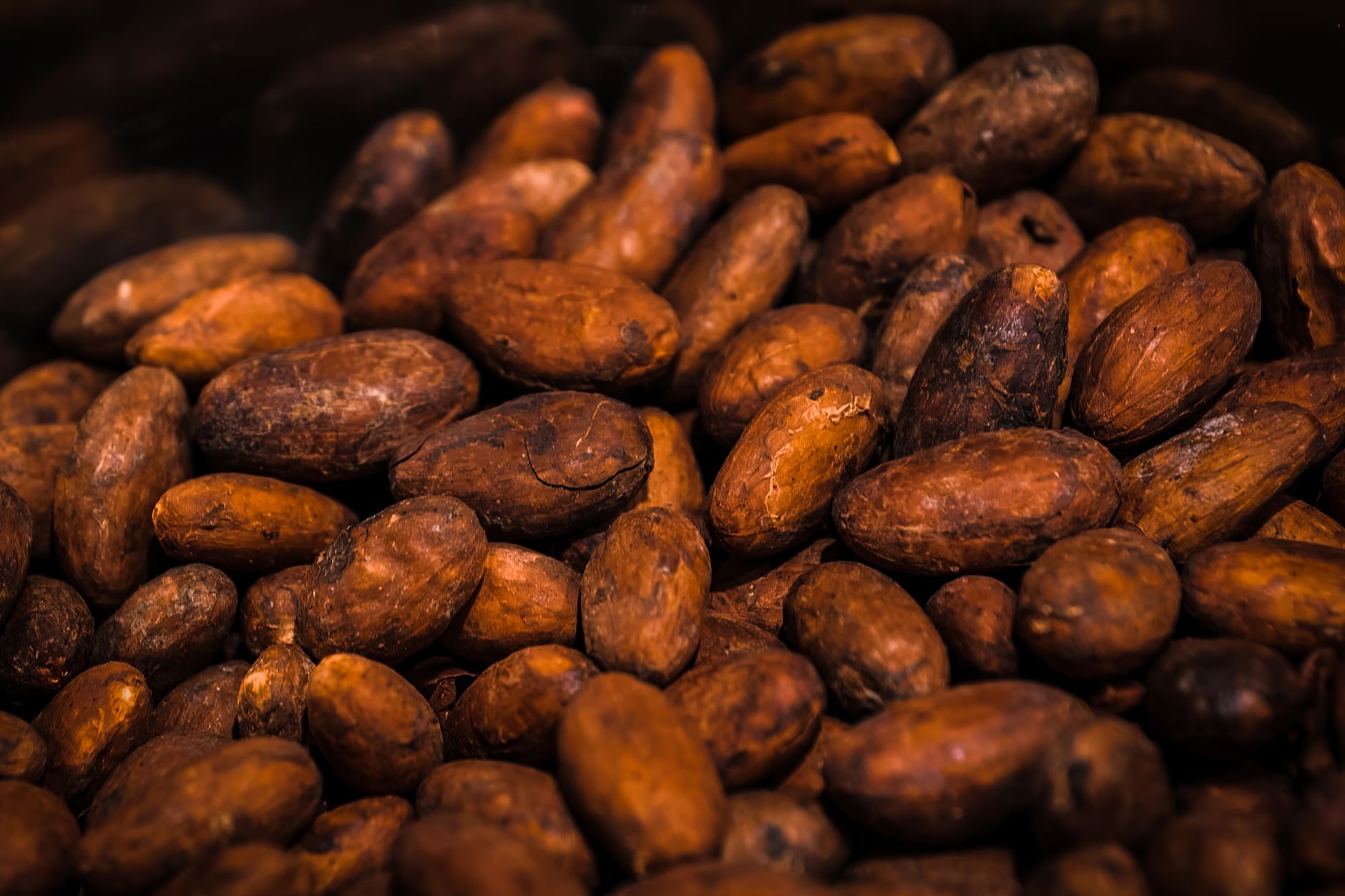
Ten to one — but only because two independently derived values happen to stand in that relation to each other. A ratio one would have to observe never came out of it. For copper intake in Germany the starting position is decisive anyway: according to the German Nutrition Society (DGE), the population is "adequately supplied with copper through food in all age groups" (quoted by the BfR). Rich in copper are above all organ meats such as liver and kidney, some cheeses, and on the plant side cocoa, nuts, oilseeds, wheat germ, wheat bran and pulses.
Too little copper over a long period does have consequences — the BfR names a deficiency of certain white blood cells and a disturbance of bone metabolism with progressive bone loss. Too much is not desirable either: from around 10 mg at once, gastrointestinal complaints have been described, and with a lasting excess copper accumulates in the liver. A copper preparation "to compensate" is therefore not an automatically correct answer.
Amount times duration: the real adjusting screw

For practical purposes this boils down to three questions:
- How much zinc in total? Not only the zinc preparation counts, but also multivitamins, combination products and the diet. The German National Nutrition Survey II already reports a median of 8.6 to 12.3 mg of zinc a day from the usual diet, depending on age and sex.
- For how long at a stretch? The copper effects described come from weeks to months of intake, not from individual days.
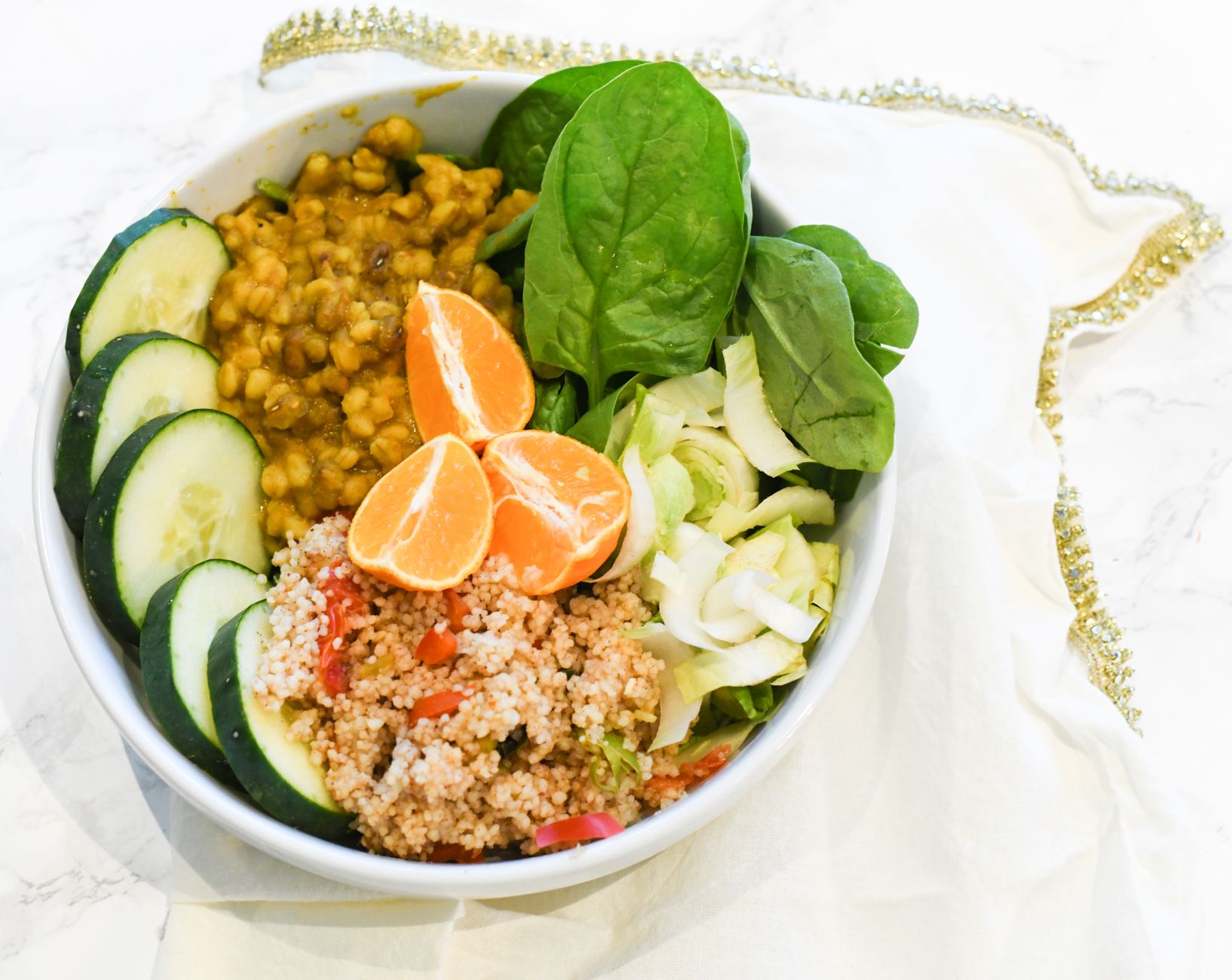
- What does the copper side look like? Anyone eating nuts, wholegrains, pulses and cocoa regularly has covered the side that is at issue.
This is also what the BfR's recommendation hangs on, namely that products with more than 3.5 mg of zinc per daily portion should carry a note not to take any further zinc-containing preparations. It is not the individual tablet that is the issue, but the sum. Which compound the product contains changes nothing in this calculation — the nutrition table always states elemental zinc, as shown in Zinc forms compared.
What this means for our preparation

Our Zinc 25 mg + vitamin B3 supplies 25 mg of elemental zinc from zinc gluconate per tablet — that is exactly the tolerable upper intake level for adults, and considerably more than the BfR's maximum level proposal for food supplements. The recommended intake is one tablet a day after a meal, and here that is no formality: it is the number at which the copper question would arise in the first place. Anyone additionally taking a zinc-containing multivitamin adds it on top.
Authorised for zinc are, among others: Zinc contributes to the normal function of the immune system. Zinc contributes to normal cognitive function. Zinc contributes to normal fertility and reproduction. (Regulation (EU) No 432/2012). Food supplements are not a substitute for a balanced and varied diet and a healthy lifestyle.
A second mineral belongs in the same calculation, though with the opposite sign: a high iron content of the diet lowers zinc absorption (SCF 2003). Anyone taking an iron preparation alongside zinc brings both directions into play — another argument for spreading the preparations across the day instead of swallowing them together. What else is in the range is shown by the Zinc category.
Frequently asked questions
Do I always have to take copper with zinc? No, at least not as a rule. At amounts in the region of the tolerable upper intake level and with a normal diet there is no basis for it — copper supply in Germany is considered adequate through food. It looks different if markedly higher zinc amounts are taken permanently; that belongs under medical supervision, not in a self-assembled plan.
Where does the 15:1 ratio come from? From advice literature, not from reference values. Neither the EU nutrient reference values nor D-A-CH or the BfR name a ratio. The values for zinc and copper were derived independently of each other.
How would you notice a copper deficiency? The signs are non-specific, and the measurements — copper and caeruloplasmin in the blood, superoxide dismutase in the red blood cells — belong in a laboratory, not in self-assessment. Anyone who has taken high zinc amounts over a long period and notices complaints should have that clarified by a doctor.
Does zinc from food count towards it? Yes. The tolerable upper intake level refers to all sources together. With a 25 mg preparation the diet is therefore already part of the calculation — and so are further zinc-containing preparations.
Sources: Scientific Committee on Food of the European Commission (SCF), Opinion on the Tolerable Upper Intake Level of Zinc, SCF/CS/NUT/UPPLEV/62 Final, 19 March 2003 (ec.europa.eu) · EFSA, Re-evaluation of the existing health-based guidance values for copper and exposure assessment from all sources, EFSA Journal 2023;21(1):7728 · BfR, "Intake of copper: essential in traces, risky in larger amounts" · BfR, "Maximum level proposals for zinc in foods including food supplements", 2021 · German Nutrition Society, reference values for copper, manganese, chromium, molybdenum · Regulation (EU) No 1169/2011, Annex XIII · Regulation (EU) No 432/2012 · German National Nutrition Survey II.