5-HTP or L-tryptophan: where the difference lies
Futures Nutrition Editorial Team · 12 August 2026
Between the two substances lies exactly one step in metabolism — and of all steps, the one at which the body regulates. L-tryptophan is an essential amino acid: it is present in every dietary protein, and the body converts a small part of it into 5-HTP via the enzyme tryptophan hydroxylase. This step is the bottleneck of the entire pathway. Tryptophan sits before it, 5-HTP after it. Everything else — absorption, amounts, legal status — follows from this single fact.
In practice the difference shows up first in the numbers: a tryptophan capsule usually states 500 mg, a European 5-HTP tablet 12.5 mg. These are not differently strong versions of the same substance, but two different legal frameworks — and two different points on the same metabolic pathway.
The path from dietary protein to serotonin
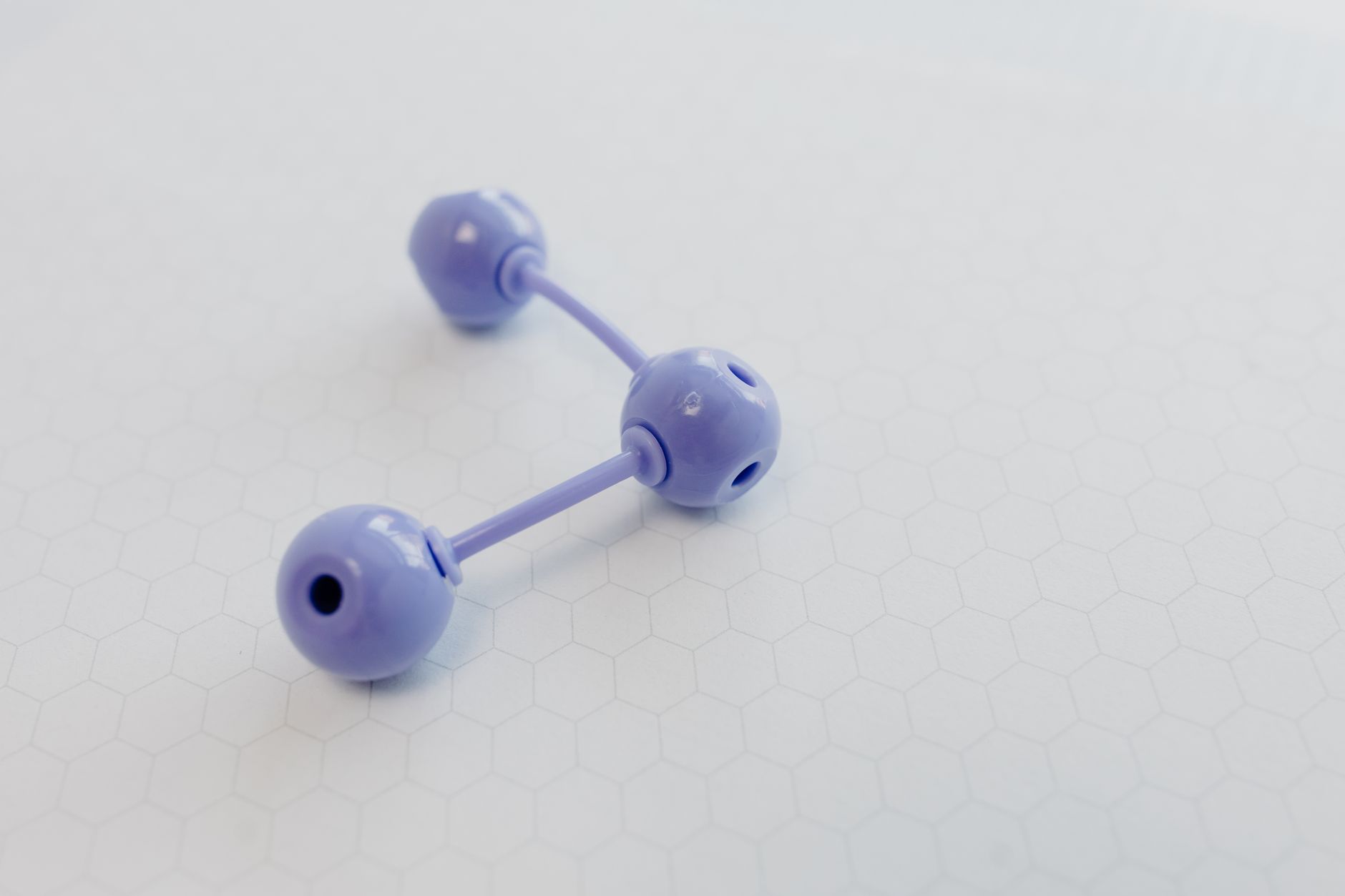
The chain has three stations and two enzymes:
- L-tryptophan is taken in with dietary protein.
- Tryptophan hydroxylase attaches an oxygen atom — 5-hydroxytryptophan is formed, 5-HTP for short. This enzyme works slowly and is regulated; it is the rate-determining step.
- Aromatic L-amino acid decarboxylase removes a carboxyl group — serotonin is formed. This enzyme needs pyridoxal-5-phosphate, the active form of vitamin B6, as a cofactor. That is why B6 is part of many 5-HTP preparations.
The path does not end there: in the pineal gland, serotonin becomes melatonin over two further steps. Of all the substances in this chain, melatonin is the only one for which a health claim is authorised in the EU: Melatonin contributes to the reduction of time taken to fall asleep — the beneficial effect is obtained with the consumption of 1 mg of melatonin close to bedtime (Regulation (EU) No 432/2012). The divisible 2 mg tablet matches that amount exactly when halved. For L-tryptophan and for 5-HTP, by contrast, no claim is authorised.
Important for understanding the amounts: the serotonin pathway is not the main consumer of tryptophan. By far the larger share goes into the kynurenine pathway, at the end of which stand niacin and NAD. The German Nutrition Society (DGE) uses a fixed ratio for this: 60 mg of tryptophan yield 1 mg of niacin, which is why the reference values are given in niacin equivalents (15 mg NE per day for men, 12 mg for women). Tryptophan therefore has a second job — 5-HTP no longer does.
The differences at a glance
| L-tryptophan | 5-HTP | |
|---|---|---|
| Class of substance | essential, proteinogenic amino acid | intermediate, not proteinogenic |
| Occurrence in food | in every dietary protein | practically only in griffonia seeds |
| Position in metabolism | before the bottleneck | after the bottleneck |
| Enzyme involved | tryptophan hydroxylase | decarboxylase (cofactor vitamin B6) |
| Competing use | kynurenine pathway, protein synthesis | none worth mentioning |
| Entry into the brain | via a transporter, in competition | without a transporter |
| Usual amount per daily dose | 500 mg | 12.5 to 100 mg |
| Authorised claim | none | none |
Why absorption works so differently
Tryptophan shares the route into the central nervous system with five other amino acids — tyrosine, phenylalanine, valine, leucine and isoleucine — which use the same transporter. Since tryptophan occurs in foods in small amounts compared with those five, it regularly loses that competition. This is the origin of the classic advice to take tryptophan at a distance from a protein-rich meal.
For 5-HTP that advice specifically does not apply: it is absorbed in the gut without a transporter and crosses the blood-brain barrier without one as well — so it competes with nothing. Precisely for that reason the only official intake recommendation for 5-HTP reads "with food", and for reasons of tolerability rather than absorption. The full account is in 5-HTP: morning or evening, with or without food?.
Two substances, two legal frameworks
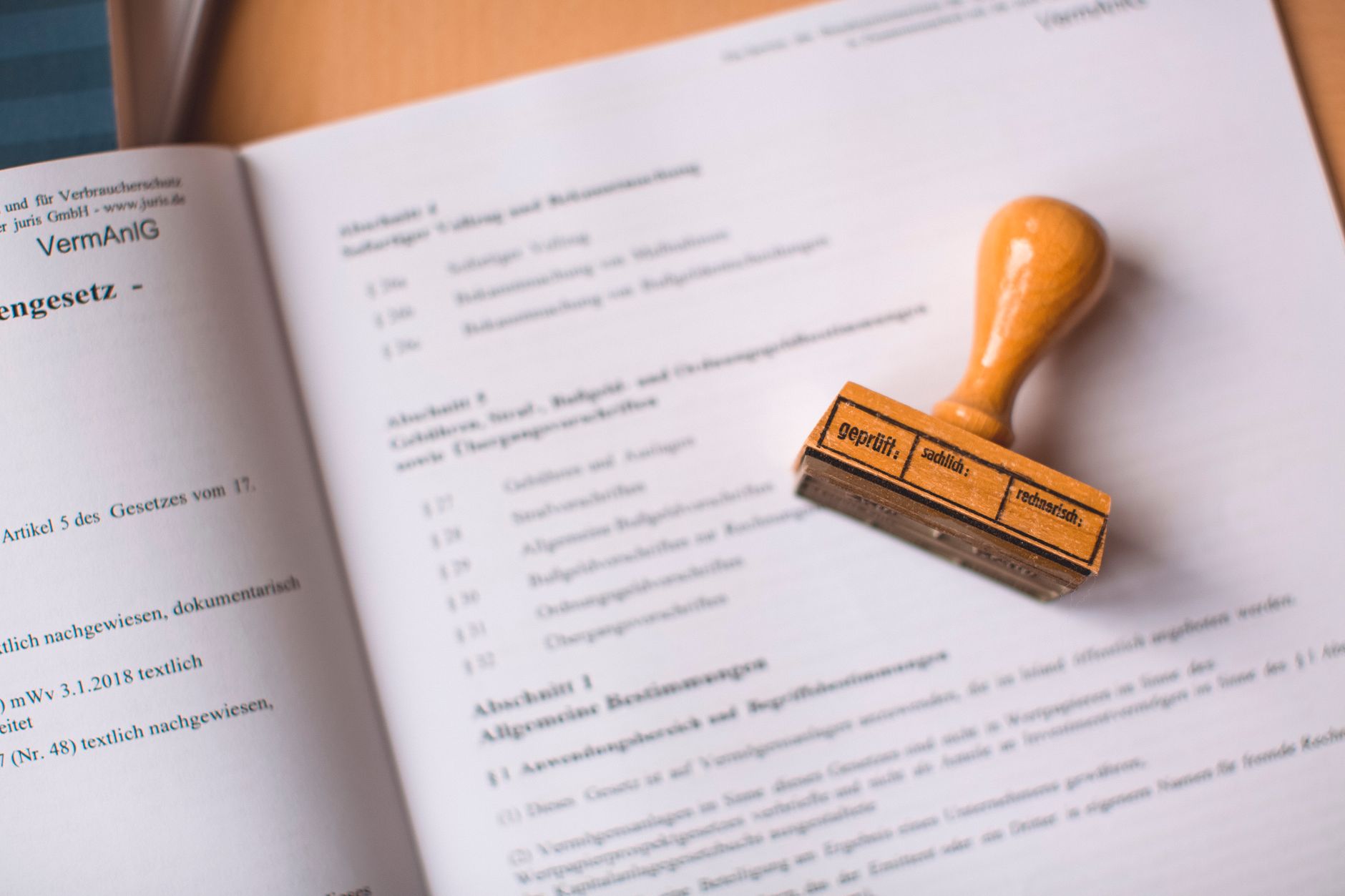
Here lies the reason for the strikingly different milligram figures, and it is purely a legal one.
L-tryptophan is on the German market via two routes. As a food supplement, the general ruling of the Federal Office of Consumer Protection and Food Safety of 24 February 2014 (BVL 14/01/004) applies: capsules containing L-tryptophan may be placed on the market in Germany provided that the recommended daily intake of one capsule with 500 mg of L-tryptophan is not exceeded, that the tryptophan used meets the purity requirements of the European Pharmacopoeia, and that three warnings appear on the pack: consult a doctor when taking antidepressants, not suitable for pregnant or breastfeeding women, children and adolescents, and a possible influence on the ability to drive. Alongside this, L-tryptophan also exists as a medicinal product.
5-HTP falls under novel food law. Griffonia seeds and seed extracts with a content of up to 30 per cent 5-HTP are not considered novel; isolated or more highly concentrated 5-HTP is a novel food and cannot be marketed without its own authorisation. The low milligram figure on European packs follows from that limit — not from a safety assessment of the substance. Where the extract comes from and how it is standardised is set out in Griffonia simplicifolia: the plant behind 5-HTP.
One detail both frameworks share: for neither substance is a health claim authorised. The applications concerning 5-HTP were examined by EFSA and assessed as not substantiated (EFSA Journal 2011;9(6):2198 and 2009;7(10):1273).
Why there is no conversion factor
The obvious question — "how much tryptophan equals 12.5 mg of 5-HTP?" — cannot be answered, and for a fundamental reason. The step between the two substances is regulated: how much tryptophan actually becomes 5-HTP depends on how busy the enzyme is, on the kynurenine pathway and on the competition at the transporter. A fixed factor would presuppose that this step is a simple multiplication — whereas it is exactly the opposite, namely the point at which the body steers.
Only figures within the same substance are therefore comparable. For 5-HTP that is the statement "mg of 5-HTP per daily dose" and not the amount of extract.
The 1989 case — why purity is a topic of its own here
The purity requirement in the general ruling has a historical background. In 1989, eosinophilia-myalgia syndrome occurred with unusual frequency in the United States; the cases could be traced to L-tryptophan from a single Japanese manufacturer, in whose goods impurities from the production process were found. Several observations spoke for the connection at once: everyone affected had taken that preparation, the risk rose with the amount consumed, and after the product was withdrawn the number of new cases fell rapidly.
For 5-HTP the purity question is topical as well: in the EU rapid alert system RASFF there were four notifications on 5-HTP extracts from griffonia seeds in the first five months of 2024 alone. Both are arguments for looking at origin and declaration with these substances rather than at the biggest number on the front of the pack.
What our preparation contains

Our 5-HTP + Vitamin B6 provides 12.5 mg of 5-HTP per tablet from griffonia seed extract (standardised to 12.5 % 5-HTP) and 1.6 mg of vitamin B6, which corresponds to 114 % of the nutrient reference value under Annex XIII of Regulation (EU) No 1169/2011. The recommended use is one tablet daily after a meal. For vitamin B6 authorised claims do exist, and in the official wording they read: Vitamin B6 contributes to normal functioning of the nervous system, Vitamin B6 contributes to normal psychological function and Vitamin B6 contributes to the reduction of tiredness and fatigue (Regulation (EU) No 432/2012). Food supplements are not a substitute for a balanced and varied diet and a healthy lifestyle. The other variants stand side by side in the 5-HTP category.
The preparation is not intended for pregnant or breastfeeding women, children or adolescents. Anyone taking antidepressants or other serotonergic medicines should not use 5-HTP without medical advice — the same applies to L-tryptophan, as the first warning in the general ruling shows.
Frequently asked questions
Is 5-HTP "stronger" than tryptophan? The question cannot be answered in that form, because the two stand at different points of the same pathway and a conversion factor is missing. Only one thing is certain: no health claim is authorised in the EU for either substance, and a claim of effect would be covered for neither.
Do I get enough tryptophan from food? The requirement for this essential amino acid is met by dietary protein; WHO, FAO and UNU give a guide value of about 4 mg per kilogram of body weight per day, so roughly 280 mg at 70 kg. A normal mixed diet supplies that amount. Food supplements are not a substitute for a balanced and varied diet.
Why do tryptophan capsules say 500 mg and 5-HTP tablets 12.5 mg? Because two different sets of rules apply. For tryptophan, the BVL general ruling of 2014 expressly names 500 mg per recommended daily intake. For 5-HTP there is no such quantitative requirement, but there is the novel food limit of 30 per cent in the extract — and that indirectly limits what can be packed into a tablet.
Can both be taken together? Both act on the same neurotransmitter. The Canadian product monograph on 5-HTP expressly lists L-tryptophan among the agents with serotonergic action for which medical advice is to be sought before use. The combination is therefore not a self-experiment but a question for a doctor.
Sources: Federal Office of Consumer Protection and Food Safety, general ruling under § 54 LFGB, food supplements with added L-tryptophan (BVL 14/01/004) of 24.02.2014 · Novel Food Catalogue of the European Commission · DGE, reference values for nutrient intake, niacin · EFSA, Scientific Opinion … 5-hydroxytryptophan (5-HTP) and increase in satiety, EFSA Journal 2011;9(6):2198 · EFSA, Scientific Opinion … enhancement of mood (ID 1575) and attention (ID 1828), EFSA Journal 2009;7(10):1273 · Health Canada / NNHPD, Monograph "5-HTP", as of 28.08.2024 · Birdsall TC, 5-Hydroxytryptophan: a clinically-effective serotonin precursor, Alternative Medicine Review 1998;3(4):271 (PubMed 9727088) · Kilbourne EM et al., Tryptophan produced by Showa Denko and epidemic eosinophilia-myalgia syndrome, Journal of Rheumatology Supplement 1996;46:81 (PubMed 8895184) · Regulation (EU) No 432/2012 · Regulation (EU) No 1169/2011, Annex XIII · WHO/FAO/UNU, Protein and Amino Acid Requirements in Human Nutrition (2007) · German consumer advice centre, "5-hydroxytryptophan (5-HTP) from the African black bean", as of 07.06.2024.