Vitamin D forms: D2 or D3, lanolin or lichen
Futures Nutrition Editorial Team · 11 August 2026
The short answer: these are two questions, not one. The first one is about the form — D2 (ergocalciferol) or D3 (cholecalciferol). Those are two different molecules, and according to the data D3 raises the blood level more reliably. The second one is about the origin — lanolin from sheep wool, or lichen. That has nothing to do with chemistry: the molecule is the same cholecalciferol either way. It is about whether the product contains something of animal origin.
What makes this confusing is that neither piece of information is usually printed on the pack. What is required is the declaration of vitamin D in micrograms — not which form it is, and certainly not which raw material it was made from. This article shows where the information can be found anyway, and what practically follows from the difference.
Two molecules, one name on the label
Both forms are produced the same way: a precursor molecule is exposed to UV-B radiation and rearranges in the process. Only the precursor differs. For D2 it is ergosterol from fungi and yeast, for D3 it is 7-dehydrocholesterol — the same substance from which human skin makes vitamin D in the sun.
The chemical difference sits in the side chain: D2 carries an additional double bond and a methyl group there that D3 does not have. That sounds like a detail, but it determines how well the body handles the molecule.
| Vitamin D2 | Vitamin D3 | |
|---|---|---|
| Chemical name | Ergocalciferol | Cholecalciferol |
| Precursor | Ergosterol | 7-dehydrocholesterol |
| Typical raw materials | Yeast, mushrooms | Lanolin (sheep wool), lichen, fish liver oil |
| Made by the human body | no | yes, in the skin |
| Vegan possible | yes | only from lichen |
| Authorised as a source in the EU | yes | yes |
Both are authorised: Annex II of Directive 2002/46/EC lists cholecalciferol and ergocalciferol as vitamin D sources for food supplements. Since Regulation (EU) 2025/352, calcifediol monohydrate has been added as a third source — a stage the body has already processed further, and one that is still rarely found on the shelf. The form does not appear in the nutrition table but in the ingredients list: that is where it says cholecalciferol or ergocalciferol. So if you want to know what you are buying, you do not read the big number but the small line underneath it.
Why D3 raises the blood level more reliably
Both forms are converted in the liver into 25-OH-D — the value a laboratory measures. That conversion does not work equally well for both. EFSA summarised the comparative studies in its derivation of the dietary reference values for vitamin D (2016) and describes two observations: when D2 is taken, the absolute serum 25-OH-D3 fraction falls; and D3 appears to be the preferred starting material for hydroxylation in the liver, while D2 is broken down more quickly.
In practice this means: 20 µg as D2 and 20 µg as D3 look equivalent on the label, but they do not lead to the same measured value. The gap grows the larger the single portion is and the longer the interval between two intakes — with a small daily amount it is smallest.
There is also a pitfall in the laboratory: not every assay captures both forms. Anyone taking D2 who receives a test that only measures 25-OH-D3 will see a low value even though vitamin D was supplied. How to read such a result is explained in Vitamin D blood level: reading 25-OH-D correctly — what matters here is only that the form belongs in the conversation.
Origin: lanolin or lichen
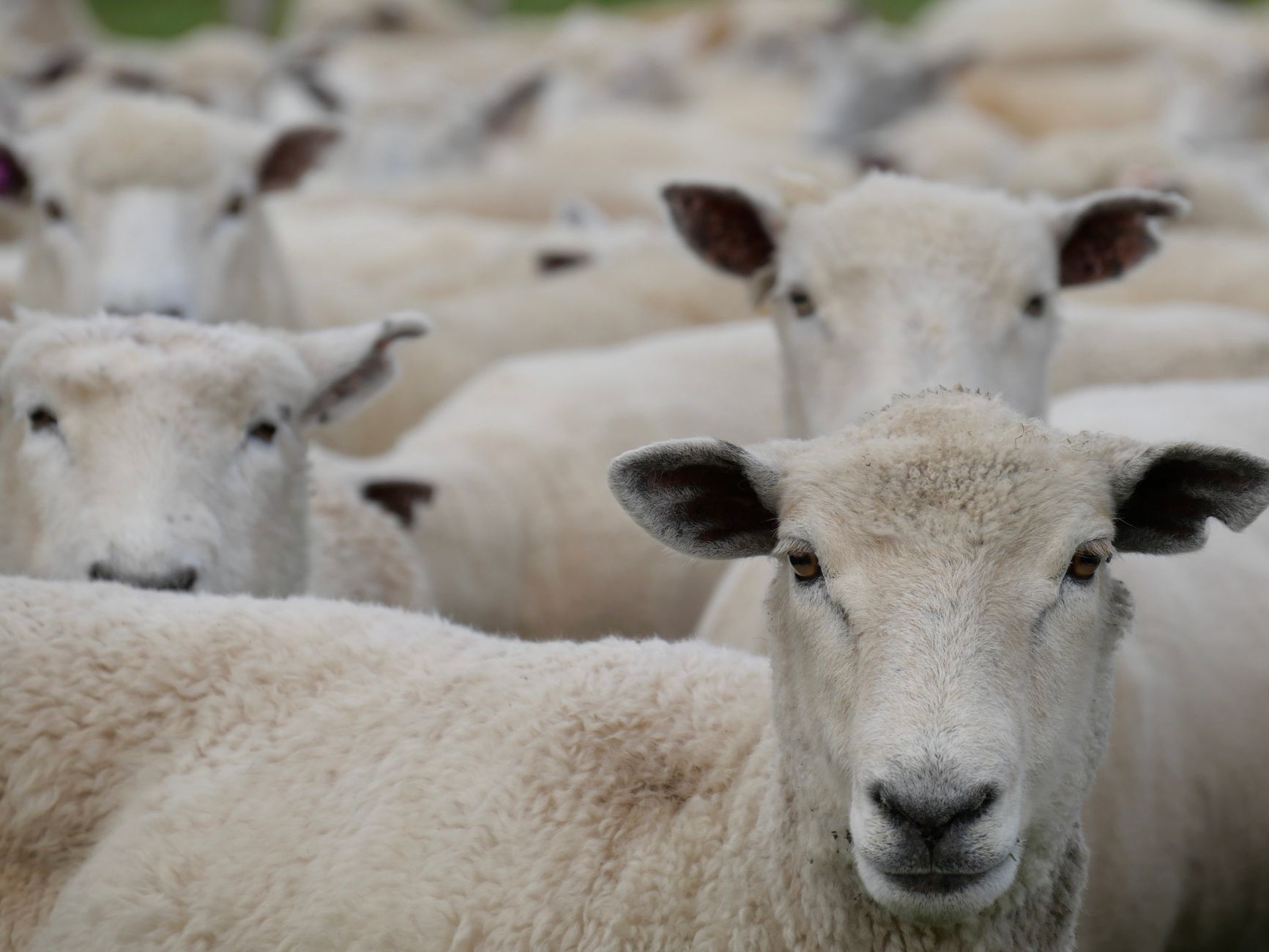
The classic raw material for D3 is lanolin, the wool grease of sheep. It is obtained when shorn wool is washed; 7-dehydrocholesterol is isolated from it and converted into cholecalciferol with UV light. No animal is killed for it — which is why many vegetarians are comfortable with such a product. The raw material remains of animal origin nonetheless, and that means a lanolin D3 is not vegan.
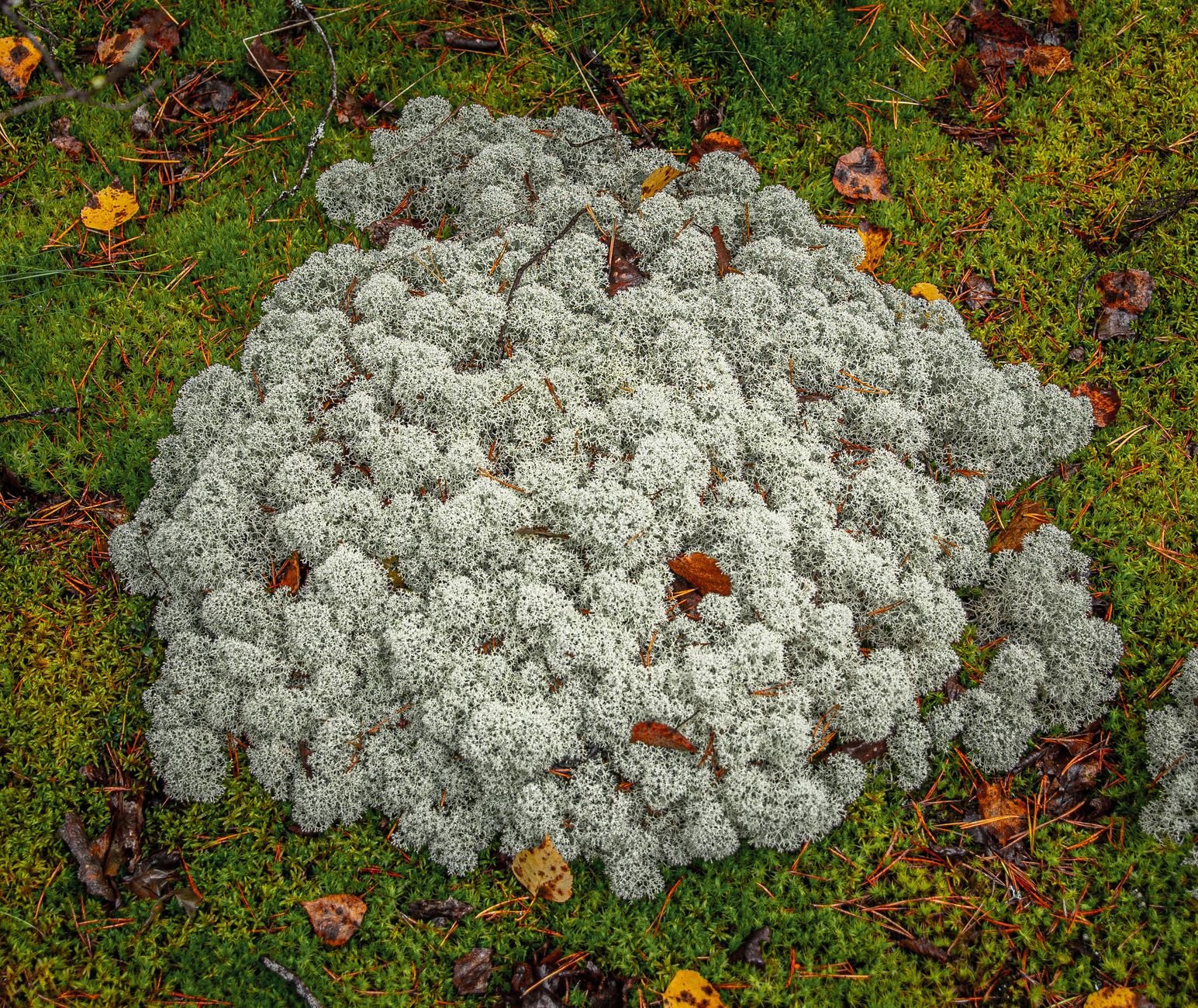
The alternative is lichen, usually reindeer lichen Cladonia rangiferina — the grey-green cushion that grows on the floor of northern pine forests. Lichens are not plants but a partnership of fungus and alga, and alongside ergosterol they also contain 7-dehydrocholesterol. That makes them the only non-animal source from which cholecalciferol can be obtained in meaningful quantities.
Important for context: the finished molecule is identical. Cholecalciferol from lichen and cholecalciferol from lanolin differ neither in structure nor in what the body does with them. The difference lies before manufacture, not after it. Anyone who cares about the origin for ethical reasons has a good reason for the lichen version; anyone expecting a different effect from it will be disappointed.
How to actually recognise vegan
This is the point where people most often reach for the wrong pack: cholecalciferol in the ingredients list says nothing about the origin. There is no obligation to declare the raw material. If there is no note on the pack, lanolin is the usual assumption — not because it would be inferior, but because it is the standard raw material and a manufacturer will practically always advertise the more expensive lichen version.
On top of that: the vitamin is only one component. A product can contain lichen D3 and still not be vegan if the capsule shell is made of gelatine or if a carrier oil of animal origin is used. With tablets the capsule question does not arise, but it is worth looking at anti-caking and coating agents. In the end only two things are reliable: an explicit statement that the vitamin comes from lichen, and a vegan declaration that covers the entire product.
In our range the origin is spelled out for the vegan versions. The Vitamin D3 10,000 IU year's supply from lichen covers a very long period with 360 tablets at one intake every ten days.

If you want to stretch the interval further, the same origin is available in the depot strength: Vitamin D3 20,000 IU vegan. All strengths side by side are in the Vitamin D3 category.

Where D2 shows up in everyday life
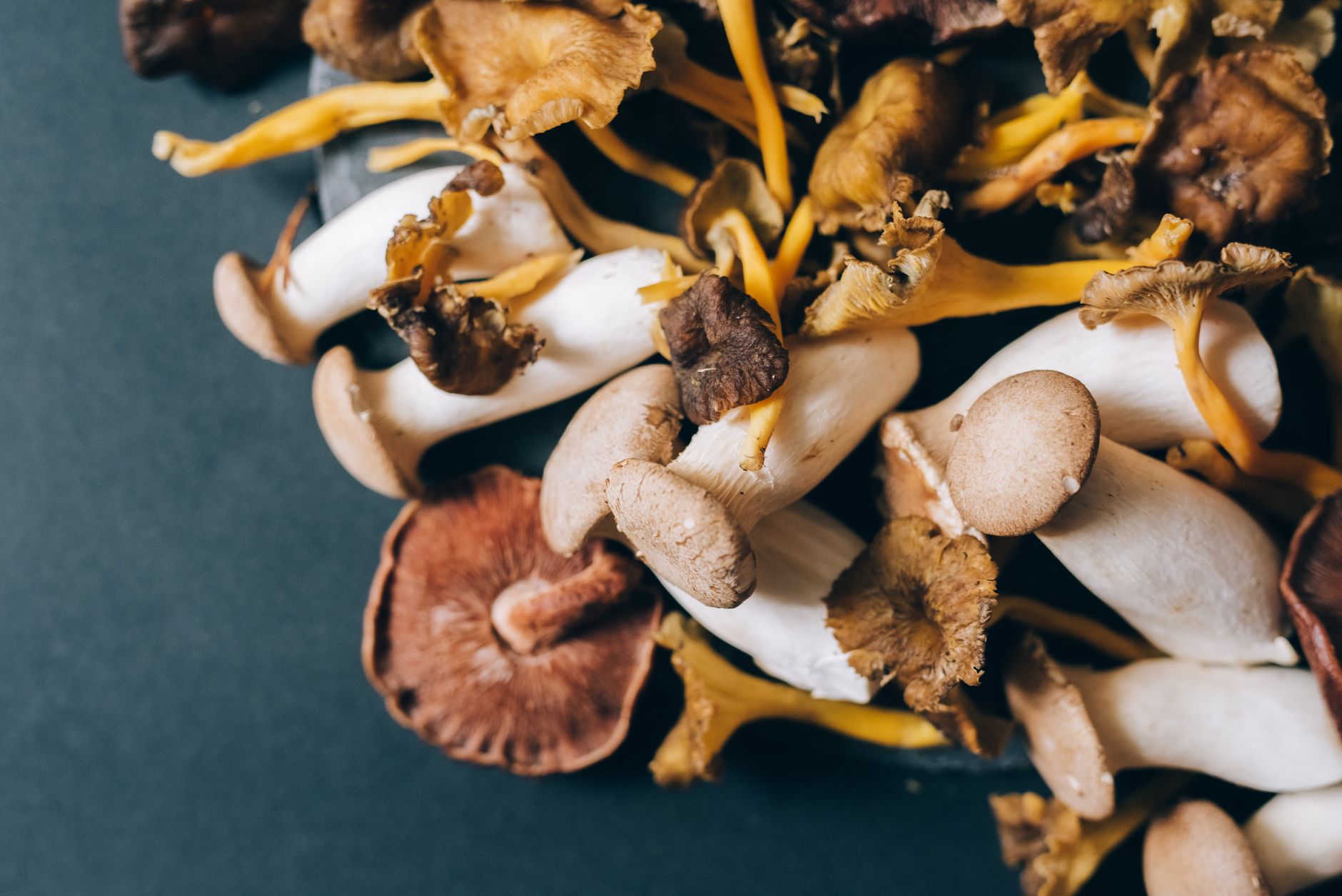
D2 is met less often as a supplement and more often on the plate. Mushrooms contain ergosterol and form vitamin D2 from it under UV light — wild mushrooms grown in the sun considerably more than cultivated button mushrooms from a dark hall. According to the nutrient data of Souci/Fachmann/Kraut, button mushrooms sit at around 1.9 µg per 100 g; against the 20 µg that the German Nutrition Society (DGE) gives as an estimated value for the case without endogenous production, that is little. Compared with oily fish, egg yolk and fortified products, mushrooms remain a minor source.
Mushrooms deliberately treated with UV light and UV-treated baker's yeast are authorised in the EU as novel foods and deliver considerably more — although they are rare in German retail. As a supplement, D2 mainly plays a role where a vegan formulation is needed without lichen raw material.
What the form means for the amount
For the amounts on the label the form makes no difference — both count as vitamin D:
| Value | Amount per day | Source |
|---|---|---|
| Nutrient reference value (NRV) | 5 µg (200 IU) | Regulation (EU) No 1169/2011, Annex XIII |
| Estimated value without endogenous production | 20 µg (800 IU) | German Nutrition Society (DGE) |
| Proposed maximum level per daily portion | 20 µg (800 IU) | German Federal Institute for Risk Assessment (BfR) |
| Tolerable upper intake level (UL) | 100 µg (4,000 IU) | EFSA, adults and adolescents from 11 years |
The EFSA upper level applies to the sum from all sources and from both forms. How the strengths on the shelf convert into a daily amount is explained in Vitamin D3 dosage: 1000 IU to 10000 IU; which calculation error actually breaches the upper level is in Can you take too much vitamin D?.
Among the claims authorised for vitamin D under Regulation (EU) No 432/2012 are: Vitamin D contributes to the normal function of the immune system. Vitamin D contributes to the maintenance of normal bones. They apply to the D2 form just as they do to D3. Food supplements are not a substitute for a balanced and varied diet and a healthy lifestyle.
Frequently asked questions
Is lichen D3 weaker than lanolin D3? No. It is the same molecule, cholecalciferol, and the body cannot tell them apart. What counts is the declared amount per tablet or drop — not the raw material it came from.
Is lanolin D3 suitable for vegetarians? As a rule yes: lanolin is obtained when shorn wool is washed, and no animal is killed for it. It is still not vegan, because the raw material is of animal origin. Anyone living strictly vegan needs the lichen version or D2.
Why is no form given on my tin at all? Because the nutrition declaration only requires vitamin D in micrograms and the percentage of the nutrient reference value. The form belongs in the ingredients list. If it is missing there too, only the manufacturer's information helps — and if the origin is stated nowhere, it will as a rule not be the more expensive one.
Are drops to be judged differently from tablets? Not for the question of D2 or D3. For the origin they are: drops need a carrier oil, capsules need a shell — both can be of animal origin, while a tablet does not raise either question in the first place.
Does vitamin D from fortified foods count towards the total? Yes. Margarine, some plant drinks and breakfast cereals are fortified with vitamin D, mostly as D3, sometimes as D2. For the EFSA upper level the sum counts, regardless of which source and which form it comes from.