Zinc-rich foods: table and the phytate brake
Futures Nutrition Editorial Team · 12 August 2026
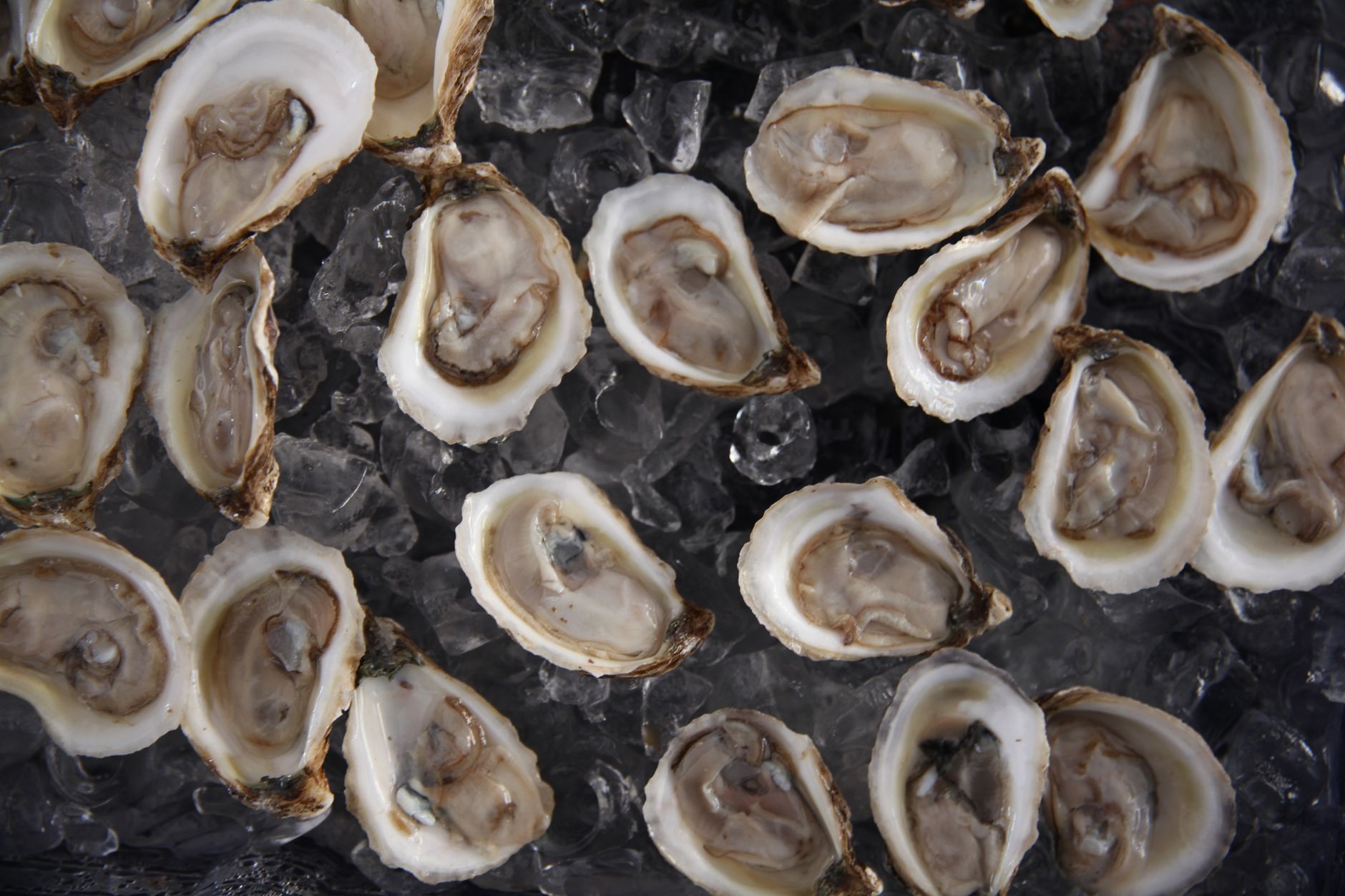
The short answer is in every nutrition table: meat, cheese, eggs, seafood, nuts and wholegrain cereals supply the most zinc. Oysters are the outlier at the top, beef and hard cheese are the everyday sources, vegetables and fruit contribute barely anything.
The longer answer is the reason this article does not end with the table: how much of that zinc arrives in the body is decided not only by the content, but by what lies next to it. Phytate from wholegrain cereals and pulses binds zinc in the gut. At very high phytate contents, absorption can be reduced by up to 45 per cent compared with average contents — so markedly that since 2019 the nutrition societies no longer state one recommendation, but three (German Nutrition Society, Selected Questions and Answers on Zinc, July 2019).
How much zinc is in 100 grams
Animal foods first, because with zinc they lead in two disciplines at once: content and availability.
| Food | Zinc per 100 g |
|---|---|
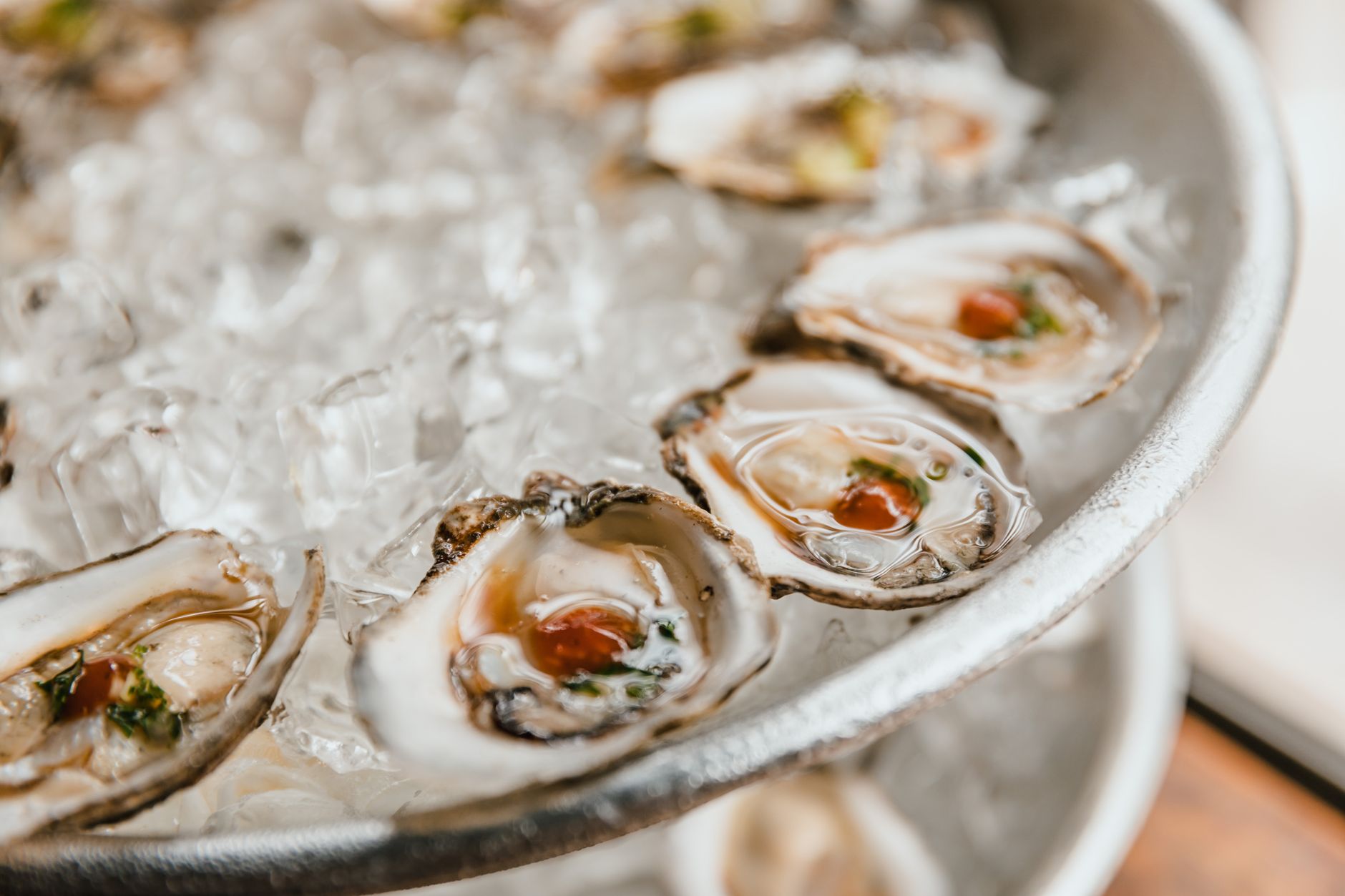
| Oyster, raw* | around 39 mg |
| Beef (shoulder, braised)* | around 8.3 mg |
| Alpine cheese (min. 45 % fat in dry matter) | 5.1 mg |
| Emmental* | 4.4 mg |
| Gouda (min. 45 % fat in dry matter) | 4.3 mg |
| Pork, lean, cooked | 2.3 mg |
| Hen's egg, boiled* | 1.1 mg |
| Chicken breast, cooked* | 1.0 mg |
| Cod, cooked | 0.5 mg |
| Cow's milk (1.5 % fat) | 0.43 mg |
| Yoghurt (1.5 % fat) | 0.36 mg |
The figure for oysters varies considerably by species, origin and season; above all it shows that a single food can cover the daily requirement several times over — and that it plays practically no role in everyday German eating. The middle of the list is more interesting: two slices of Alpine cheese (60 g) bring a good 3 mg, a portion of lean pork (150 g) around 3.5 mg. Those are the items that carry a day.
On paper, plant foods are not dramatically below that — but with the cereal products the second half of the question begins:
| Food | Zinc per 100 g |
|---|---|
| Muesli | 2.6 mg |
| Wild rice, cooked | 2.1 mg |
| Hazelnuts | 2.1 mg |
| Rye wholegrain bread | 1.5 mg |
| Wholegrain bread (general) | 1.5 mg |
| Lentils, cooked* | 1.3 mg |
| Mixed rye-wheat bread | 1.15 mg |
| Leaf spinach, cooked | 0.81 mg |
| White bread | 0.7 mg |
| Mushrooms, cooked | 0.51 mg |
| Broccoli, cooked | 0.43 mg |
| Potatoes, cooked | 0.41 mg |
| Tomato, raw | 0.09 mg |
* Values marked with an asterisk come from USDA FoodData Central (SR Legacy); all others are converted to 100 g from the portion figures of the German Nutrition Society's worked example (data basis DGExpert). All figures refer to elemental zinc — what that means on a food supplement pack is explained in Zinc forms compared.
Why the table is only half the answer
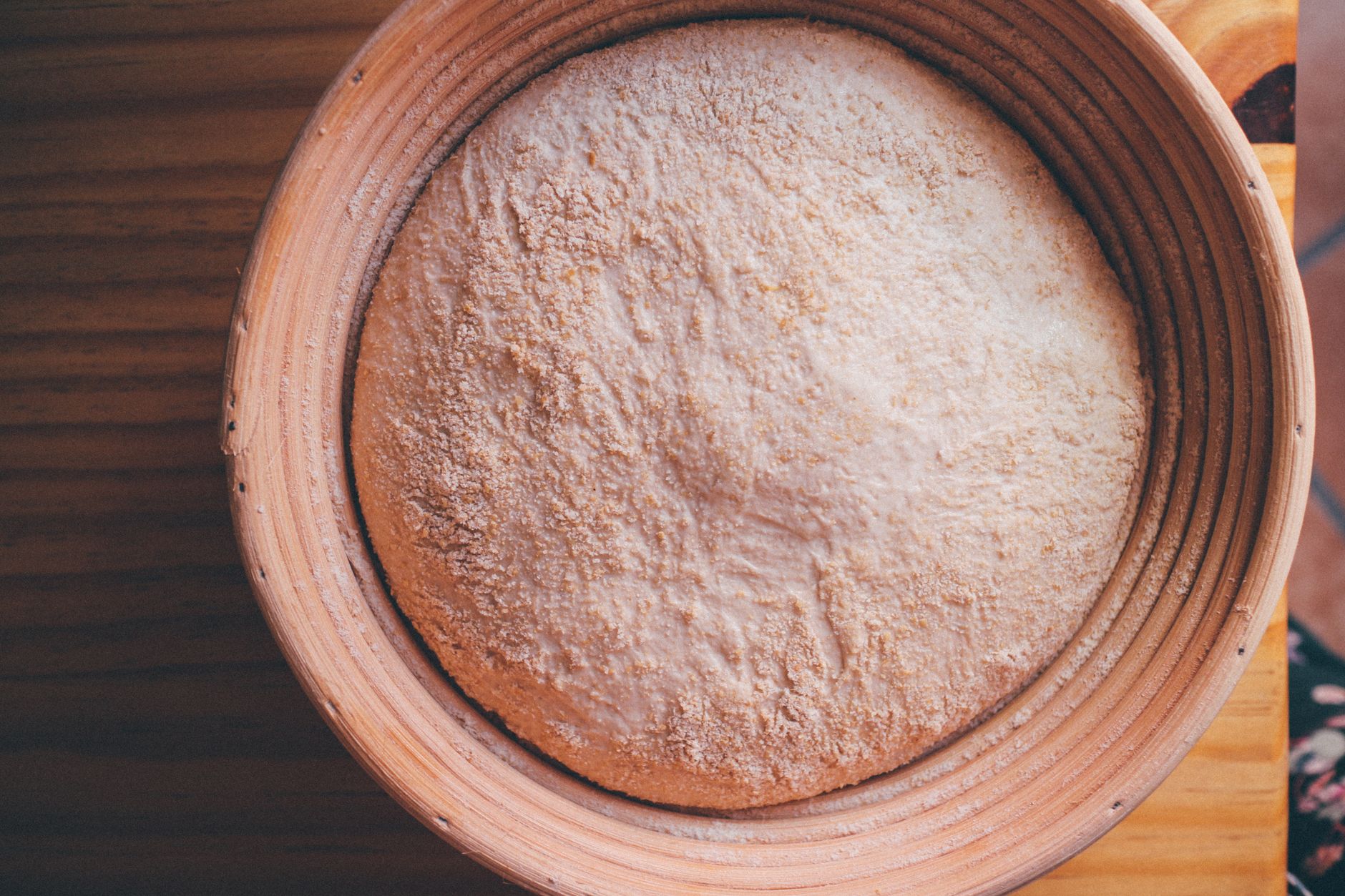
Phytate is the storage form of phosphorus in plants. It sits above all in what also works as seed — pulses, wholegrain cereals, oilseeds — and binds the minerals the seedling will need later. In the gastrointestinal tract it does the same with the zinc from the meal: what is bound is not absorbed.
Two things make this awkward for shopping. First, phytate appears in no nutrition table; intake can only be estimated, and the estimate runs via the dietary pattern instead of via figures. Second, it is precisely the more zinc-rich plant foods that contain the most of it.
But what many people conclude from this does not follow. The obvious question — should one therefore avoid wholegrain? — is answered by the German Nutrition Society with an explicit no: wholegrain bread contains 1.5 mg zinc per 100 g, more than twice as much as white bread with 0.7 mg. Even if the phytate binds part of it, more remains at the bottom line. The brake shifts the figures, it does not reverse them.
What improves absorption
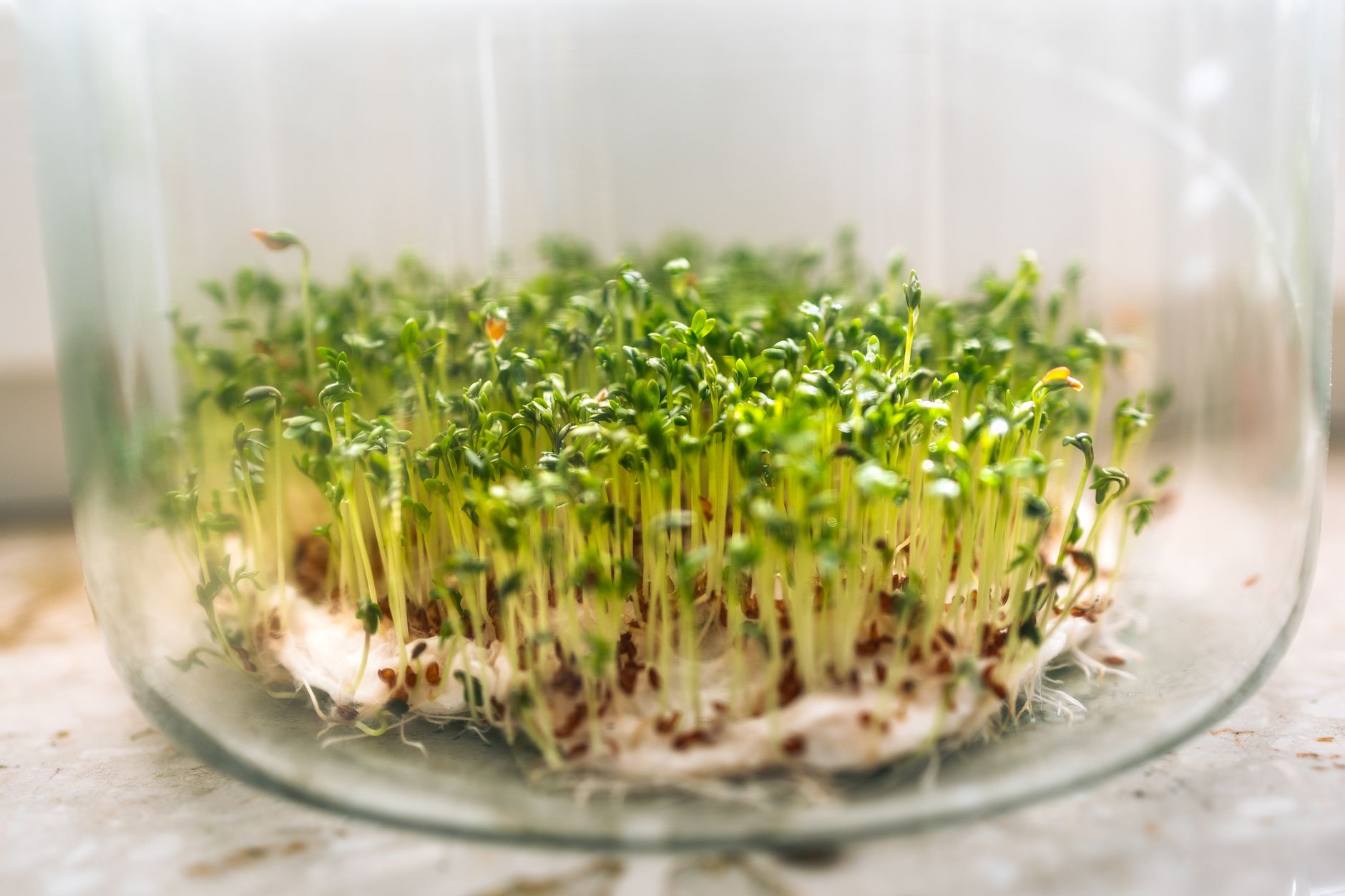
Phytate can be broken down before eating — and that is the most usable part of the subject in practice. The German Nutrition Society names three preparation routes and one combination:
- Soaking — pulses overnight in water, then pour the soaking water away.
- Germination — sprouted grain, sprouts, seedlings.
- Sourdough fermentation — the reason sourdough bread stands differently in this question than a quickly raised yeast wholegrain loaf.
- Animal protein in the same meal additionally raises the availability of the zinc. Cheese on the wholegrain bread is therefore not a coincidence but the fitting combination.
What influences absorption from a supplement — distance from meals, iron, calcium — is a separate question and is covered in How to take zinc.
This is also what the classification of vegetarian and vegan diets hangs on. They do not automatically land in the tier with the highest phytate intake: anyone who eats cereal products predominantly as sourdough, sifted flour or germinated grain is in the middle tier. The high tier is reached by a dietary pattern with a lot of non-germinated or unfermented wholegrain — such as freshly milled grain porridge — and pulses like soya or kidney beans with hardly any animal protein.
Phytate does not only brake zinc
Anyone who watches out for sourdough, soaking water and sprouts because of the zinc is doing it in passing for a second mineral: iron. In its reference values, the German Nutrition Society names the same food groups as inhibitors — phytates from wholegrain products and pulses inhibit the absorption of plant iron, as do polyphenols from coffee and above all black tea. On top of that comes a difference that does not exist in this form with zinc: the body makes better use of iron from animal sources than of iron bound in plants.
The reference values for iron are correspondingly higher than for zinc and differ more strongly by sex and age:
| Group | Iron per day |
|---|---|
| Men from 19 years | 11 mg |
| Women 19 to under 51 years | 16 mg |
| Women from 51 years | 14 mg |
In practice this means: the same meal decides both. Cheese on the sourdough wholegrain bread improves the zinc balance, and the coffee half an hour later is the item that pushes down the iron balance of that same meal. Anyone covering intake through a preparation finds the amount in the declaration: our Iron 30 mg + inulin states 30 mg iron per tablet (214 % NRV, from iron fumarate) — here too the stated figure is the elemental iron and not the amount of the compound, the same reading rule as with the zinc forms. Among the authorised statements is: Iron contributes to normal formation of red blood cells and haemoglobin. (Regulation (EU) No 432/2012). Unlike with zinc, iron status can be determined from blood values; whether supplementation makes sense therefore belongs in medical hands and not in trial and error.
What a day realistically adds up to
The German Nutrition Society has calculated three example days that arrive at 11, 14 and 16 mg zinc — the reference values for adult men at low, medium and high phytate intake. What is remarkable about the example days is how much has to come together for that:
| Portion | Food | Zinc |
|---|---|---|
| 2 slices (60 g) | Alpine cheese | 3.06 mg |
| 150 g | Pork, lean, cooked | 3.51 mg |
| 2 slices (100 g) | Mixed rye-wheat bread | 1.15 mg |
| 200 g | Potatoes, cooked | 0.81 mg |
| 200 g | Broccoli, cooked | 0.86 mg |
| 150 g | Yoghurt (1.5 % fat) | 0.54 mg |
Six items, and the sum stands at only about 10 mg. What has been measured fits with that: according to the German National Nutrition Survey II, women take in a mean of 8 mg and men 11 mg zinc per day. Women thus reach their reference value of 7 or 8 mg on average; a proportion of men do not reach the 14 mg for the middle phytate tier. The German Nutrition Society adds one sentence that is rarely quoted along with it: an intake below the reference value is not to be equated with a deficiency — it merely raises the probability of an inadequate supply.
Where a supplement comes in

Through food alone, excessive zinc amounts are as a rule not reachable — the tolerable upper intake level for adults is 25 mg per day (EFSA). Oral hygiene products such as toothpaste, mouthwash and denture adhesives can contribute noticeably alongside; that is rarely counted in.
Our Zinc 25 mg + vitamin B3 declares per tablet:
| Per tablet (recommended daily amount) | Amount | % NRV* |
|---|---|---|
| Zinc (from zinc gluconate) | 25 mg | 250 % |
| Niacin (as nicotinamide) | 25 mg | 156 % |
* Nutrient reference values according to Regulation (EU) No 1169/2011, Annex XIII.
Among the authorised statements for zinc are these: Zinc contributes to the normal function of the immune system. Zinc contributes to normal cognitive function. Zinc contributes to normal fertility and reproduction. For niacin: Niacin contributes to normal energy-yielding metabolism. (Regulation (EU) No 432/2012). Food supplements are not a substitute for a balanced and varied diet and a healthy lifestyle. What else is in the range is shown by the category Zinc.
Frequently asked questions
Which food contains the most zinc? Oysters, by a clear margin — around 39 mg per 100 g, and more depending on species and origin. In everyday life beef (around 8 mg per 100 g) and hard cheese (4 to 5 mg per 100 g) are the more productive sources, because they regularly end up on the plate.
Do I have to give up wholegrain because of phytate? No. Wholegrain bread supplies more than twice as much zinc as white bread; the phytate binds part of it but does not reverse the ratio. Anyone wanting to reduce the effect reaches for sourdough bread and combines it with cheese, egg or meat.
Is a vegan diet enough for zinc intake? It is more demanding, because the same foods supply zinc and brake it. Preparation is decisive: sourdough, sifted flour and germinated grain bring the dietary pattern into the middle rather than the high phytate tier. Vegetarian dietary patterns can contain more phytate, which raises the risk of an inadequate zinc supply.
Does phytate brake other minerals too? Yes. Phytic acid binds in the plant the minerals the seedling will need later, and carries on doing so in the gastrointestinal tract. Besides zinc, the best-known effect is with iron: there the German Nutrition Society names phytates from wholegrain and pulses as well as polyphenols from coffee and black tea as inhibitors. Soaking, germinating and sourdough fermentation therefore act on both minerals.
Can I take in too much zinc through food? As a rule, no. Excessive amounts come together rather through preparations — on top of what toothpaste and denture adhesive contribute. The yardstick is the tolerable upper intake level of 25 mg per day for adults.
Sources: German Nutrition Society, Selected Questions and Answers on Zinc, July 2019 (D-A-CH reference values for nutrient intake; contains the worked examples from DGExpert and the data of the German National Nutrition Survey II) · German Nutrition Society, Reference Values for Nutrient Intake: Iron (inhibitors of iron absorption, reference values for adults) · USDA FoodData Central, SR Legacy · Regulation (EU) No 1169/2011, Annex XIII · Regulation (EU) No 432/2012.