Selenium in foods: table and portions
Futures Nutrition Editorial Team · 12 August 2026
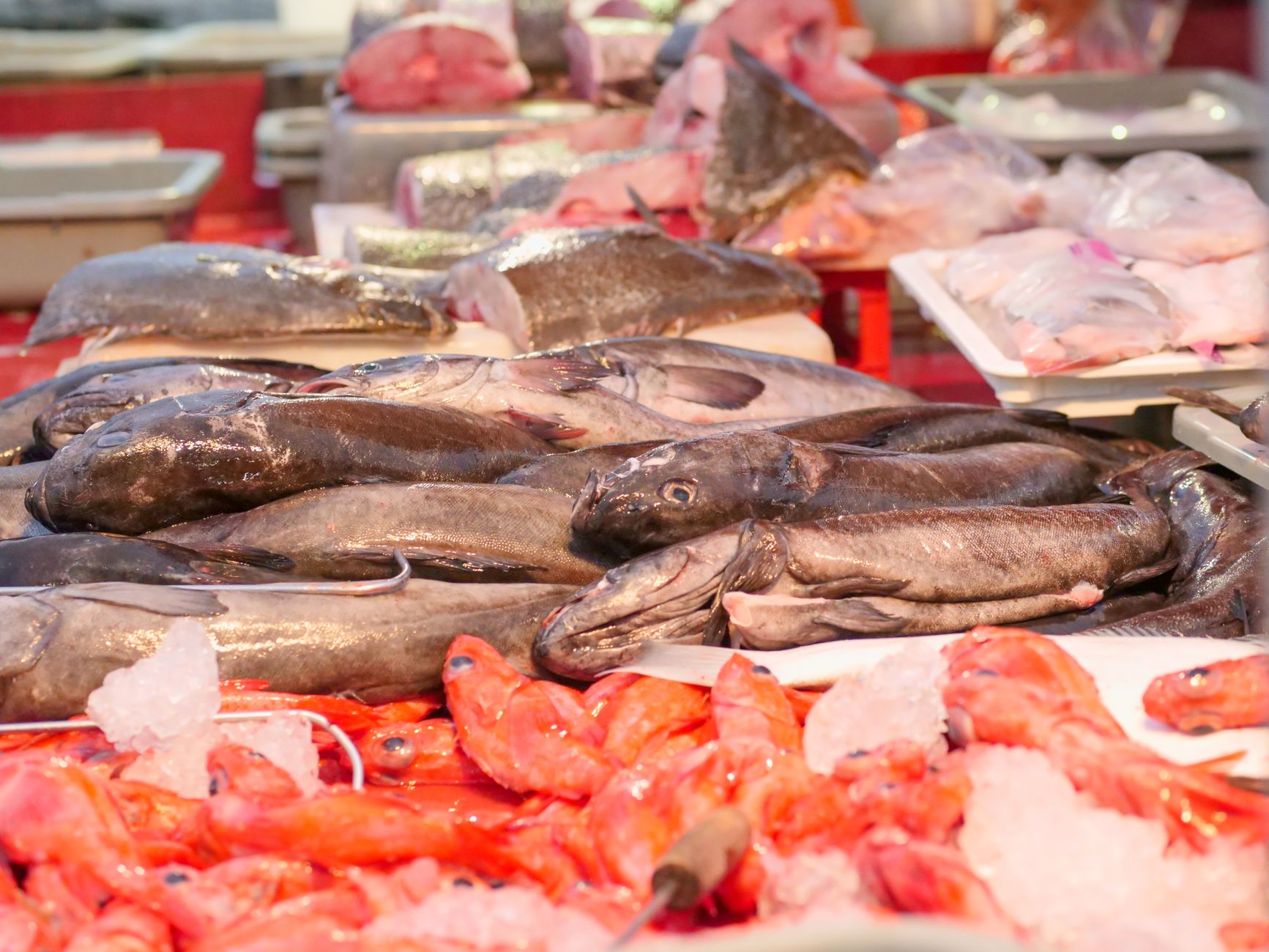
The short answer: in Europe, fish, meat, eggs and dairy supply selenium most reliably, followed by brassicas and alliums, mushrooms, asparagus and pulses. The longer answer concerns the table itself. With selenium, figures in µg per 100 g are considerably fuzzier than with other nutrients: the content of plant foods depends on the soil they grew in, and that varies strongly by region. The European Food Safety Authority puts this unusually plainly — because determining selenium in foods is complex and the spread is wide, nutrient tables are frequently inaccurate (EFSA, Dietary Reference Values for selenium, EFSA Journal 2014;12(10):3846).
In practice that means a single number next to a food is no basis for calculation. What carries is the choice of food groups — and the portion, not the 100 g.
What a usual portion supplies
In its questions and answers on selenium, the German Nutrition Society (DGE) works through two example days based on the Souci/Fachmann/Kraut nutrient tables (8th edition). Their portion figures show both sides: what a portion contributes, and what — converted — sits behind the 100 g value.
| Food | Portion (edible part) | Selenium per portion | converted per 100 g |
|---|---|---|---|
| Mackerel | 70 g | 27.3 µg | approx. 39 µg |
| Button mushrooms | 250 g | 17.5 µg | approx. 7 µg |
| Rolled oats | 150 g | 14.6 µg | approx. 10 µg |
| Mixed nuts (incl. 2 Brazil nuts) | 25 g | 9.0 µg | — |
| Brown rice | 70 g | 7.0 µg | approx. 10 µg |
| Lentils, dried | 70 g | 6.9 µg | approx. 10 µg |
| Emmental | 60 g (approx. 2 slices) | 6.6 µg | approx. 11 µg |
| Egg | 60 g (approx. 1 piece) | 6.0 µg | approx. 10 µg |
| Bell pepper | 100 g | 4.3 µg | approx. 4 µg |
| Potatoes | 250 g | 3.8 µg | approx. 1.5 µg |
| White cabbage | 150 g | 3.6 µg | approx. 2.4 µg |
| Rye bread | 100 g | 3.0 µg | approx. 3 µg |
| Apple | 200 g | 2.8 µg | approx. 1.4 µg |
| Yoghurt | 150 g | 2.3 µg | approx. 1.5 µg |
| Blackcurrants | 100 g | 1.7 µg | approx. 1.7 µg |
| Brazil nuts | 100 g | — | approx. 103 µg |
Two things stand out. First: the gap between the strongest and the weakest item is far smaller for portions than for the 100 g values — 250 g of mushrooms supply more than a slice of cheese, even though the cheese is ahead per 100 g. Second: no single item carries the day. The DGE reference values of 60 µg (women) and 70 µg (men) come together in both example days out of ten to twelve small contributions. Why packs nonetheless state 55 µg as the reference value, and what else is worth reading on the label, is in Buying a selenium supplement.
Why the table wobbles with selenium
The main reason is botanical. Plants differ in whether they accumulate selenium: the Brazil nut tree, brassicas (rapeseed, broccoli, cabbage) and alliums (garlic, onion, leek) count as selenium accumulators, while cereals such as wheat, oats, rye and barley do not (EFSA 2014). With the accumulators the soil content comes through fully — the same variety of broccoli can contain very different amounts depending on the growing region.
On top of that comes a German particularity: the Bundeslebensmittelschlüssel, the nutrient database treated as the standard in Germany, contains no selenium values at all. That is why selenium was not recorded in the German consumption surveys, and why almost all the figures circulating in German-speaking countries come from the same source: Souci/Fachmann/Kraut. Anyone comparing two tables online and finding very different values is usually not looking at an error, but at different growing regions and measurement dates.
The Brazil nut is the textbook case. The DGE gives around 103 µg per 100 g; EFSA calls Brazil nuts potentially the richest source of selenium, but points out in the same sentence that the content is highly variable. Both statements are correct. They just do not let you calculate a day.
Animal foods are the steadier item
European soils are poorer in selenium than, for instance, those in the USA. Cereals are a good selenium source there, but not here. On the animal side things are different, and the reason is regulatory: animal feed may be enriched with selenium in the EU. Meat, eggs and fish therefore contribute relatively constantly to supply, regardless of where the feed grain grew.
How strong this effect can be is shown by Finland. Selenium has been added to fertilisers there since the 1980s; the selenium content of Finnish cow's milk, meat and cereal products has risen markedly as a result — so markedly that European intake estimates come out too low for Finland if they are calculated with average values from other countries (EFSA 2014). Selenium is therefore not only a question of the food, but also of the agricultural system behind it.
In the EFSA evaluations from seven countries, the four most important food groups for selenium intake were: milk and dairy products, meat and meat products, cereals and cereal products, and fish and fish products. It is notable that dairy and cereals lead there although both contain little per 100 g — they are simply eaten in large quantities. That is the effect a 100 g table never shows.
Plant sources: not the amount, the selection
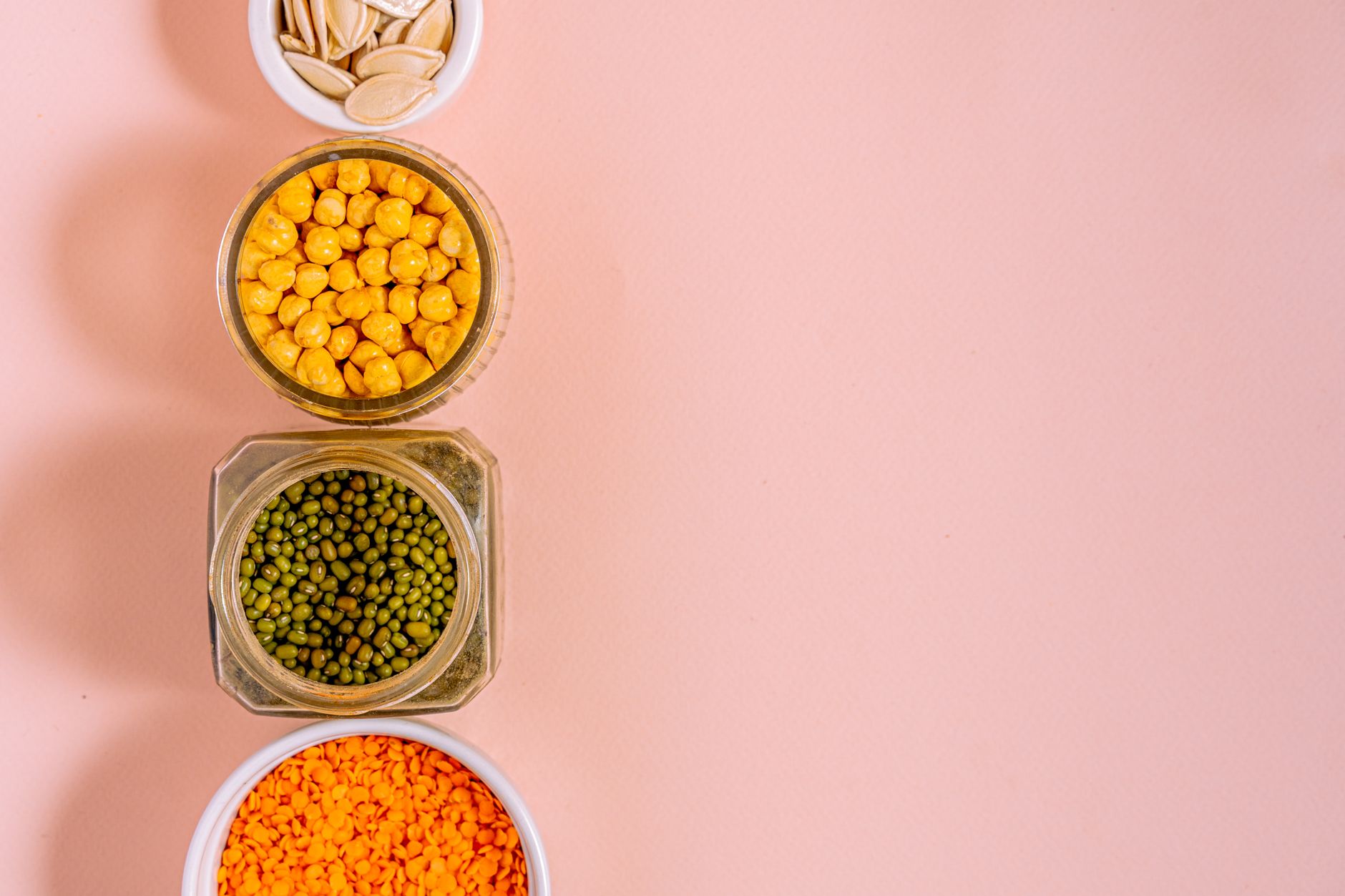
For vegetarian and vegan diets, the DGE recommends deliberately planning in the groups that accumulate selenium: brassicas (broccoli, white cabbage), alliums (garlic, onions), mushrooms, asparagus and pulses such as lentils. Chemically, the selenium there is present mainly as Se-methyl-selenocysteine, whereas in cereals and soy it is predominantly selenomethionine (EFSA 2014).
The plant-based example day of the DGE arrives at 55.8 µg and thus lands just below the reference value for women. Because animal foods are the more reliable source in Europe, vegetarians and above all people living vegan are on average less well supplied with selenium than omnivores. That pulses and wholegrains bring an additional brake with them for other trace elements — phytate — is covered in Zinc in foods.
Brazil nuts: the exception with a cap
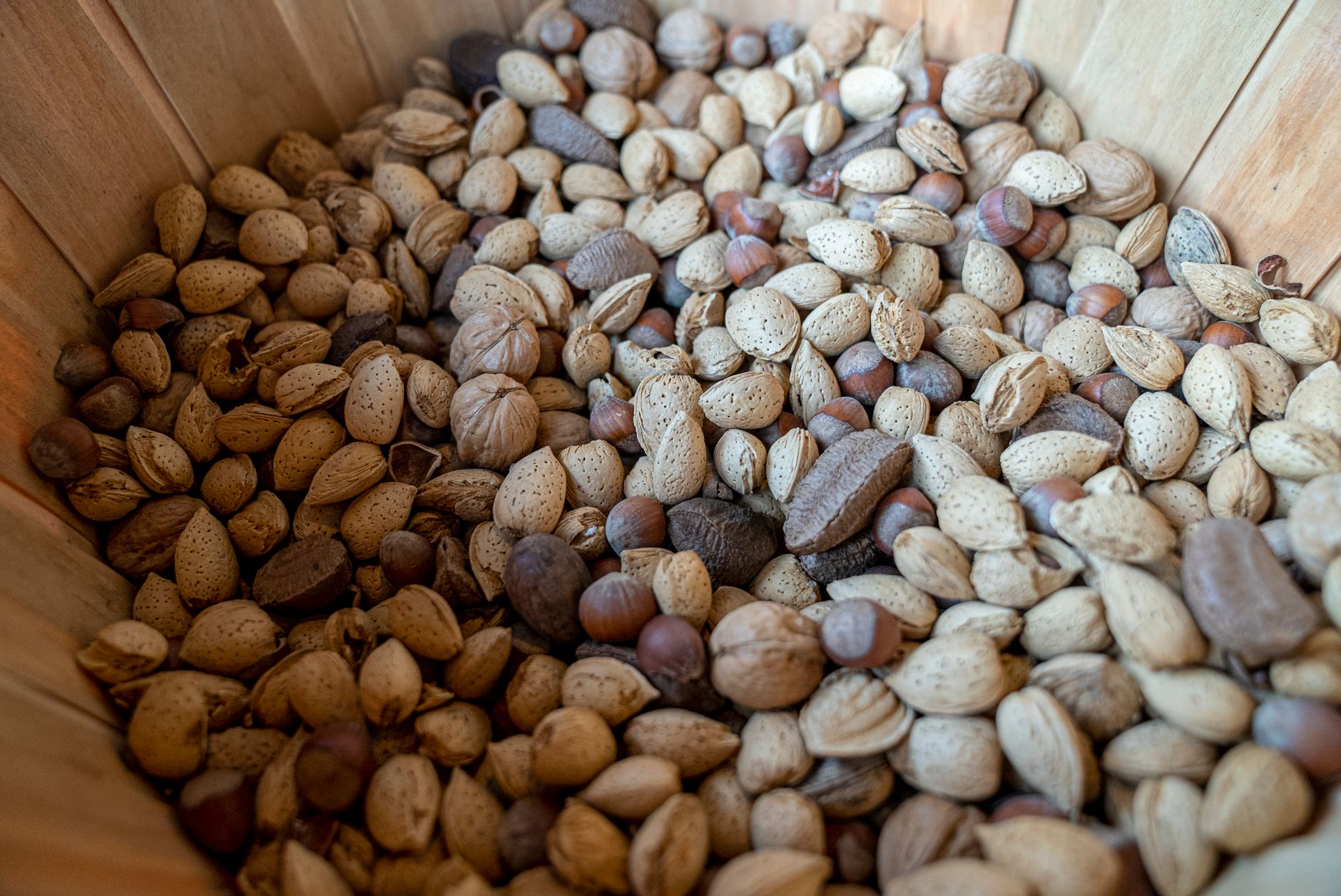
Arithmetically, the daily requirement would be settled with two to three Brazil nuts. In practice there is an upper limit for them that has nothing to do with selenium: the Brazil nut tree also accumulates natural radioactive radium. According to the German Federal Office for Radiation Protection (BfS), eating two Brazil nuts a day can increase the calculated radiation exposure from food in adults by half. Negative health effects do not yet occur in this range, which is why the DGE limits consumption to a maximum of two per day. The BfS advises pregnant and breastfeeding women, children and adolescents against them entirely, because radium is incorporated into growing bones.
Two Brazil nuts supply around 8 µg of selenium — a good, but small contribution. As the load-bearing pillar of the day, the Brazil nut is out.
What becomes of it when you eat it
Selenium from foods is well absorbed. For selenomethionine, the most important dietary form, absorption is above 90 % (EFSA 2014) — it is taken up by the same route as the amino acid methionine. Balance studies with a usual mixed diet arrive at an apparent absorption of around 70 %. Inorganic forms such as selenite and selenate are also well absorbed, but retained less well in the body — a difference that counts for more with supplements than with food, because there the form is chosen freely. Which form does what is in Selenium forms compared.
Drinking water contributes practically nothing — it does contain selenium, but in amounts that play no role for intake. So anyone wanting to steer their selenium intake through diet steers it through solid foods.
When diet does not close the gap

The nutrient reference value for selenium is 55 µg (Regulation (EU) No 1169/2011, Annex XIII). Our Selenium 100 µg supplies 100 µg per tablet; the declared source is selenium-enriched yeast. What else is on the shelf is shown by the Selenium category, and the remaining trace elements are under Minerals.
The following claims are authorised for selenium (Regulation (EU) No 432/2012): Selenium contributes to the normal function of the immune system. Selenium contributes to the normal thyroid function. Selenium contributes to the protection of cells from oxidative stress. Selenium contributes to the maintenance of normal hair and nails. Food supplements are not a substitute for a balanced and varied diet and a healthy lifestyle.
Frequently asked questions
Which food has the most selenium? Among the foods common in Germany, the Brazil nut with around 103 µg per 100 g, followed by sea fish. Because of the radium content, however, the limit of a maximum of two nuts a day applies to Brazil nuts, so in practice they make only a small contribution. Among the foods eaten in larger amounts, fish leads: 70 g of mackerel bring 27.3 µg.
Why do I find completely different values in two tables? Because the selenium content of plant foods depends on the soil and varies strongly, and because the determination is analytically demanding. EFSA points out expressly that nutrient tables are frequently inaccurate for selenium. For Germany there is the added fact that the Bundeslebensmittelschlüssel contains no selenium values.
Is selenium lost through cooking? There are no robust figures on this that would justify a number. Selenium is present in foods mostly bound to protein, as selenomethionine or selenocysteine; the spread caused by the growing region is in any case larger than anything preparation accounts for.
Are meat and fish enough, or do I need a supplement? The DGE considers an adequate intake through a wholesome diet to be possible and works it through with two example days. A supplement does not replace that selection — it is an addition for situations in which the selection does not come about, for instance with a purely plant-based diet.
Sources: DGE, selected questions and answers on selenium (March 2021) · EFSA, Scientific Opinion on Dietary Reference Values for selenium, EFSA Journal 2014;12(10):3846 · German Federal Office for Radiation Protection (BfS), natural radionuclides in Brazil nuts · Souci/Fachmann/Kraut, Food Composition and Nutrition Tables, 8th edition (2016) · Regulation (EU) No 1169/2011, Annex XIII · Regulation (EU) No 432/2012.