Everything about Selenium
Selenium: all articles — from dosage to timing, explained clearly.

Too much selenium: where the limit lies
EFSA sets 255 µg a day, the BfR proposes 40 µg for supplements. Why the gap between requirement and upper limit is so narrow with selenium.
Selenium on a vegan diet: plant sources
Selenium can be covered from plants alone, but the figures vary more than for any other trace element. What measurements show and what actually matters.
Selenium and iodine: why they are named together
Both belong to the thyroid, but with different jobs. What is short in Germany, what is enough — and why the order iodine before selenium matters.
Selenium daily requirement: 55, 60 or 70 µg?
The label says 55 µg, the DGE names 60 and 70 µg, EFSA says 70. Where the three figures come from — and why European soils have a say in it.

Selenium and the thyroid: what the claim covers
“Selenium contributes to the normal thyroid function” is authorised. What that sentence means, why iodine is the raw material — and what large trials found.
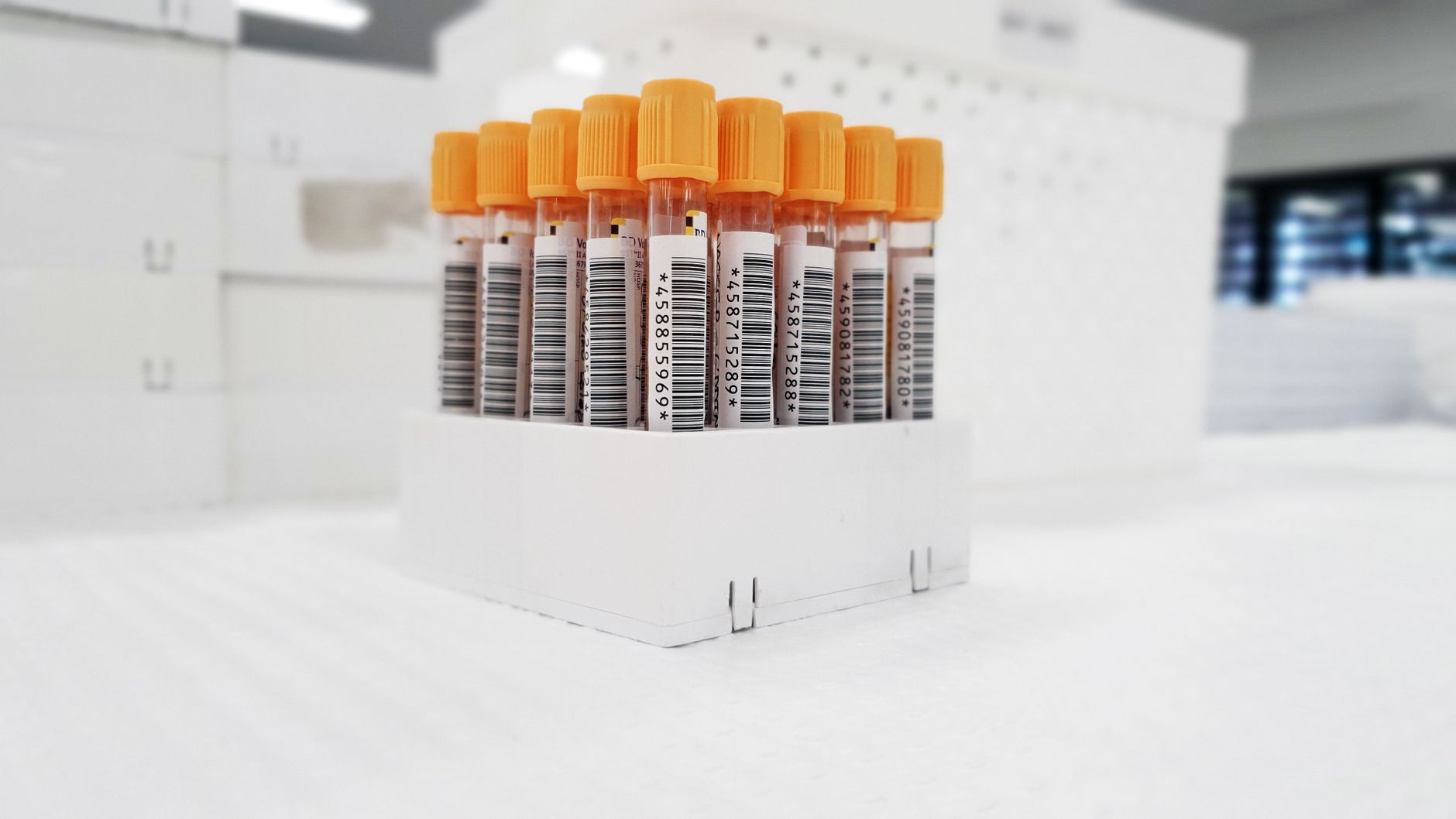
Selenium deficiency: what lab values show
Selenium is in no standard blood panel. Which markers exist, what they actually measure — and why a low value is not automatically a deficiency.
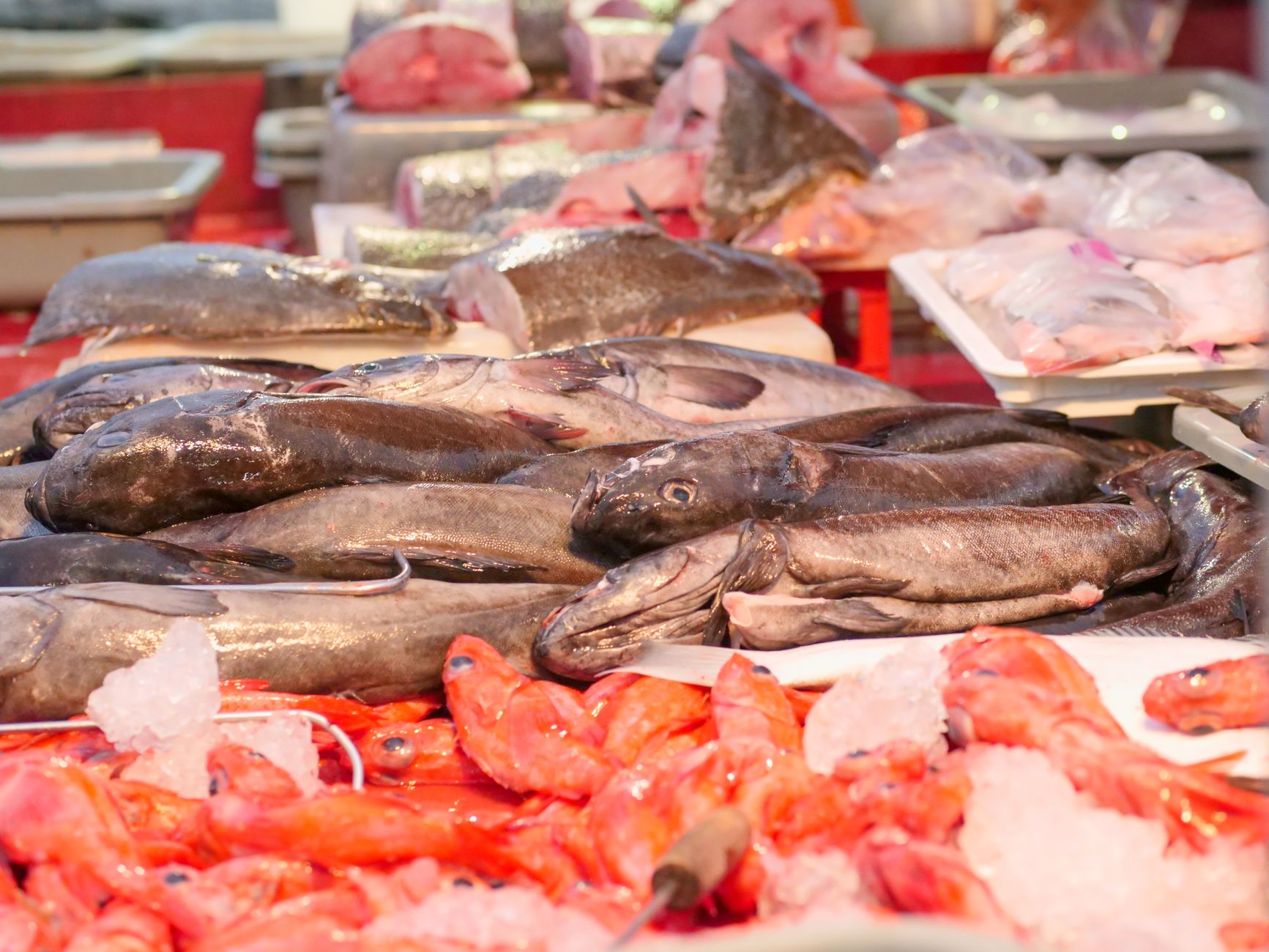
Selenium in foods: table and portions
Which foods supply selenium, how much a usual portion adds — and why a selenium table is less reliable than the tables for other nutrients.

Buying selenium: more µg is not a better deal
With selenium the gap between requirement and upper level is small. Why the high dose is no advantage and which four items must appear on every label.

Selenium forms: selenite, selenomethionine or yeast?
Six selenium sources are permitted in the EU. What the form really changes in the body — and why a higher blood selenium level is not automatically better supply.

Taking selenium: timing, meals, vitamin C
The well-known gap to vitamin C applies to only one kind of selenium supplement — and even there the evidence is mixed. What timing really changes.