Hawthorn quality: plant part, testing, label
Futures Nutrition Editorial Team · 14 August 2026
The quality of a hawthorn preparation is decided in three places, and the milligram figure on the front of the pack is not one of them. First: which plant part of which species was processed. Second: what the raw material was measured against, and by which method. Third: what the label reveals about any of that — because a food supplement has to state far less than most people assume.
Anyone who checks these three points can compare two tubs sensibly. Anyone who only looks at the number regularly compares leaves with berries, and one test method with another.
Without plant part and species, the number says nothing
The European Pharmacopoeia lists two separate hawthorn herbal drugs: leaf and flower (Crataegi folium cum flore) and the fruit. The definition of the first expressly names European species — Crataegus monogyna, Crataegus laevigata, their hybrids and a few rarer European species — and requires a minimum of 1.5 % total flavonoids, expressed as hyperoside and calculated with reference to the dried drug (reproduced in the assessment report of the European Medicines Agency, EMA/HMPC/159076/2014). The fruit is not measured by flavonoids but by procyanidins.
Then there is the species question. Many food supplements contain the berry of Crataegus pinnatifida, Chinese hawthorn — a different plant with a different tradition. There is no European pharmacopoeial benchmark for it against which a content could be measured. Which species and which part are in the jar is therefore where every quality question begins; the botanical differences are set out one by one in Hawthorn: the plant, leaf and flower, origin.
| Herbal drug or preparation | Measured as | Required content |
|---|---|---|
| Leaf and flower, dried | total flavonoids as hyperoside | min. 1.5 % |
| Quantified liquid extract (ethanol 30–70 % V/V) | total flavonoids as hyperoside | 0.8–3 % |
| Dry extract, aqueous | total flavonoids as hyperoside | min. 2.5 % |
| Dry extract, hydroalcoholic (≥ ethanol 45 % V/V) | total flavonoids as hyperoside | min. 6 % |
| Fruit | procyanidins | separate test procedure |
| Berries of C. pinnatifida | no European pharmacopoeial benchmark | — |
Two laboratories, two numbers: the method is part of the claim
"Standardised to x %" only becomes a statement once it says how the measurement was made. For procyanidins this is well documented: one research group compared the photometric pharmacopoeial method with an HPLC procedure and a second photometric test (Wittig and colleagues, Arzneimittelforschung 2002;52(2):89–96, PubMed 11878204). Depending on the reference standard used, the pharmacopoeial method returned values at least 50 % higher than the comparison test.
The same raw material, two certificates of analysis, two percentages — and neither of them is wrong. A comparison of contents between two products is therefore only permissible if both name the same reference figure and the same method. Why the drug-extract ratio on its own is not a statement of strength either is explained in Hawthorn extract: what 20:1 actually means.
Identity: the test nobody asks about
Before any question of content comes a simpler one: is what it says on the pack actually inside? How serious this is can be seen from a case report from Switzerland (Theuer and colleagues, Toxicology Reports 2026;16:102239, PubMed 41883558). A 42-year-old woman came to the emergency department with nausea, vomiting, low blood pressure and a heart rate of 51 beats per minute. She had taken a weight-loss product bought in the USA, declared as "tejocote root" — the root of the Mexican hawthorn (Crataegus mexicana). Subsequent analysis by mass spectrometry and DNA barcoding found yellow oleander (Thevetia peruviana) in it, a plant containing cardiac glycosides, and no Crataegus at all.
Identity can be checked: by microscopy, by chromatographic fingerprint, and in case of doubt by DNA barcoding. A supplier who can say, for a given batch, by which method species and plant part were confirmed has already answered this question.
Contaminants: what is regulated — and what is not
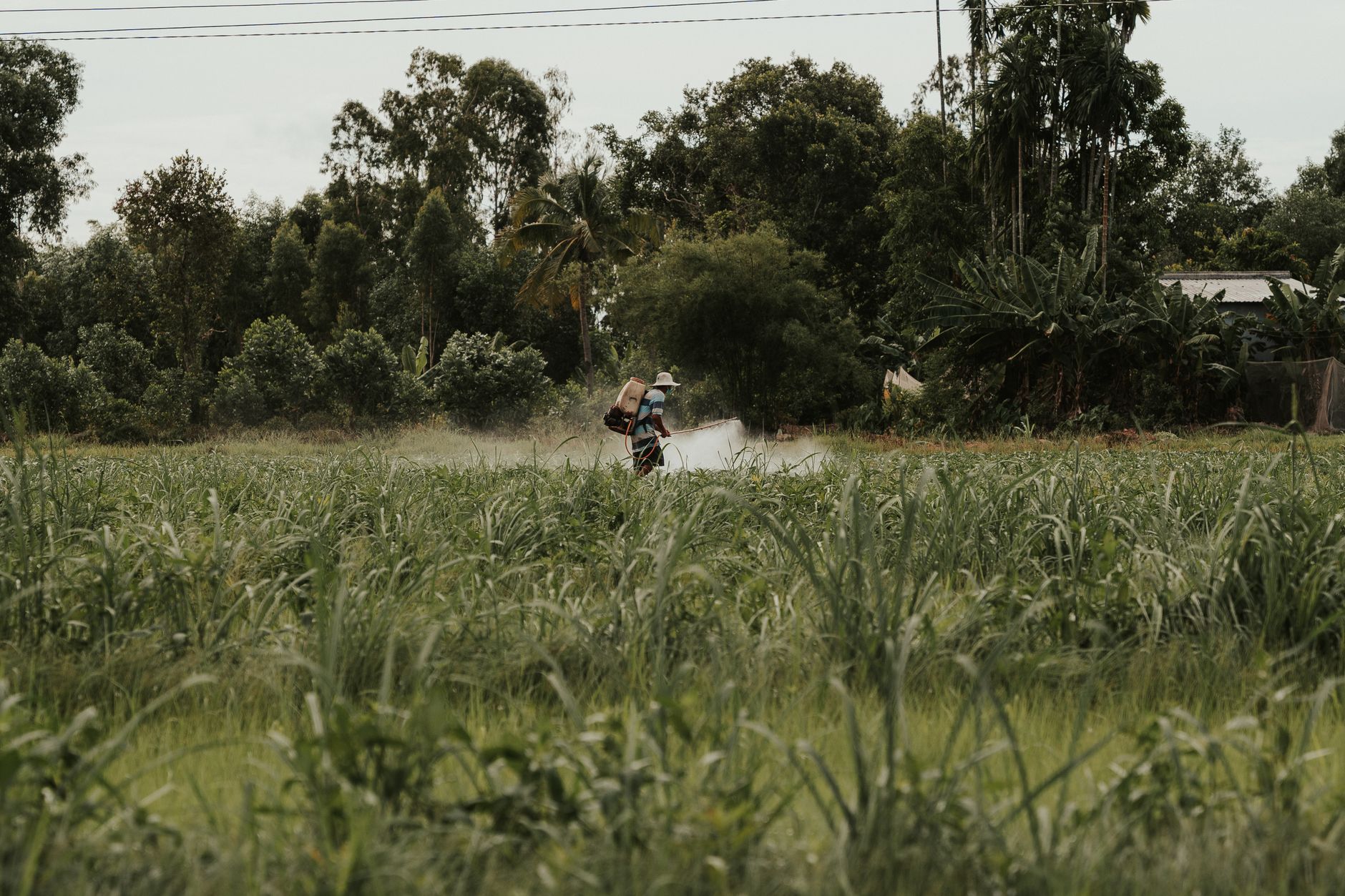
Hawthorn is dried plant material, usually grown in the open field, often in Asia. The EU sets maximum levels for it that apply to the product as placed on the market — that is, to the finished tablet, not to the raw material.
| Substance | Maximum level for food supplements | Source |
|---|---|---|
| Lead | 3.0 mg/kg | Regulation (EU) 2023/915, No 3.1.28 |
| Cadmium | 1.0 mg/kg | ibid., No 3.2.21.1 |
| Mercury | 0.10 mg/kg | ibid., No 3.3.2 |
| Pyrrolizidine alkaloids | 400 µg/kg | ibid., No 2.4.10 |
| Benzo(a)pyrene | 10.0 µg/kg | ibid., No 5.1.16 |
| Sum of four PAHs | 50.0 µg/kg | ibid., No 5.1.16 |
| Pesticides without a specific level | 0.01 mg/kg | Regulation (EC) No 396/2005, Art. 18(1) |
| Aflatoxins, ochratoxin A | no maximum level set | — |
Two rows of this table deserve a second look. The default pesticide level of 0.01 mg/kg applies to the starting product; for processed products, Article 20(1) of the same regulation requires the changes caused by processing to be taken into account. A 20:1 extract does not concentrate the plant constituents alone.
And the last row is a genuine gap: for herbal food supplements, Regulation (EU) 2023/915 sets no maximum levels for mould toxins — the only thing regulated is citrinin in preparations made from red rice fermented with Monascus purpureus (No 1.7.1). That the matter is not thereby settled is shown by a Chinese survey of 163 commercially available food and medicinal plants (Chen and colleagues, Journal of Fungi 2025;11(3):212, PubMed 40137250): 92 % of the samples contained fungi, 13 samples contained mycotoxins, and of all things it was a hawthorn fruit sample that yielded a mould strain which produced fumonisin B2 in testing. Where there is no limit value, the only thing that counts is whether the manufacturer tests anyway.
Treatment with ionising radiation is not available as a shortcut, incidentally: in the EU, under Directive 1999/3/EC only dried aromatic herbs, spices and vegetable seasonings may be irradiated, and irradiated goods must carry the indication "irradiated" (Directive 1999/2/EC, Article 6).
What has to be on the label — and what is voluntary
This is where the real surprise lies. The German Food Supplements Ordinance (NemV) requires in § 4(2) no more than the designation "food supplement", the names of the categories of the characterising substances or an indication of their characteristics, the recommended daily portion, a warning not to exceed it, the statement about a balanced diet, and the notice to store the product out of the reach of young children. Botanical species name, plant part, extraction solvent, drug-extract ratio, standardisation: all voluntary. A manufacturer who names them reveals something — one who leaves them out remains within the law.
It becomes binding when it comes to amounts. Under § 4(3), the amount of the substances has to be stated per recommended daily portion, and specifically as average values based on the manufacturer's analysis of the product; vitamins and minerals additionally as a percentage of the nutrient reference value. Every milligram figure on the back is therefore a promise about an analysis — for the plant extract just as much as for the mineral.
Our hawthorn plus magnesium discloses these details: berry extract of Crataegus pinnatifida at a ratio of 20:1, corresponding to 600 mg of berry powder per tablet, plus 56.25 mg of magnesium from magnesium oxide, which is 15 % of the nutrient reference value. There is no reference value and no authorised claim for the plant extract; the authorised sentences apply to the mineral, verbatim for instance: Magnesium contributes to normal muscle function. Magnesium contributes to the normal functioning of the nervous system. Food supplements are not a substitute for a balanced and varied diet and a healthy lifestyle.

What the combination in one preparation is for is covered in the other articles in the hawthorn category; plain magnesium products without a plant component are in the magnesium category.
Six questions to put to a pack of hawthorn
- Is the botanical species stated — or just "hawthorn"?
- Is the plant part stated: leaf and flower, fruit, both?
- Is a content declared, and what was it measured against?
- Does the supplier name the test method behind that content?
- Is the product tested for heavy metals, pyrrolizidine alkaloids and pesticides?
- Is it tested for mould toxins, even though no limit value compels it?
Anyone standing in front of the shelf with these six questions who then wants to turn them into a price comparison will find the cost per month in the hawthorn buying guide.
Frequently asked questions
Is a certificate of analysis proof of quality? Only as far as it goes. A certificate can be limited to a single parameter — the active-substance content, say — and say nothing about heavy metals, pesticides or microbes. What matters is which parameters were tested, by which method and for which batch; a certificate without a batch number belongs to no tub.
Are higher milligram figures better? To begin with they are simply higher. Without a statement of species, plant part and reference figure, there is no way to say whether 600 mg of one product means more plant than 300 mg of another — with extracts, the smaller number can stand for the larger amount of raw material.
Does it have to be organic? Organic is a statement about the growing method, not about content and not about heavy metals: lead and cadmium come from the soil, not from crop protection. For residues from cultivation an organic certificate is an argument; for everything else it is no substitute for an analysis.
Is a preparation with berries worse than one with leaf and flower? It is a different raw material with a different test procedure. For hawthorn fruit, the German Commission E published a negative monograph on 19 July 1994 because the evidence on efficacy available at the time was insufficient — not because of a risk. Whoever buys the berry buys the less well studied drug.