Hawthorn: what tradition actually documents
Futures Nutrition Editorial Team · 14 August 2026
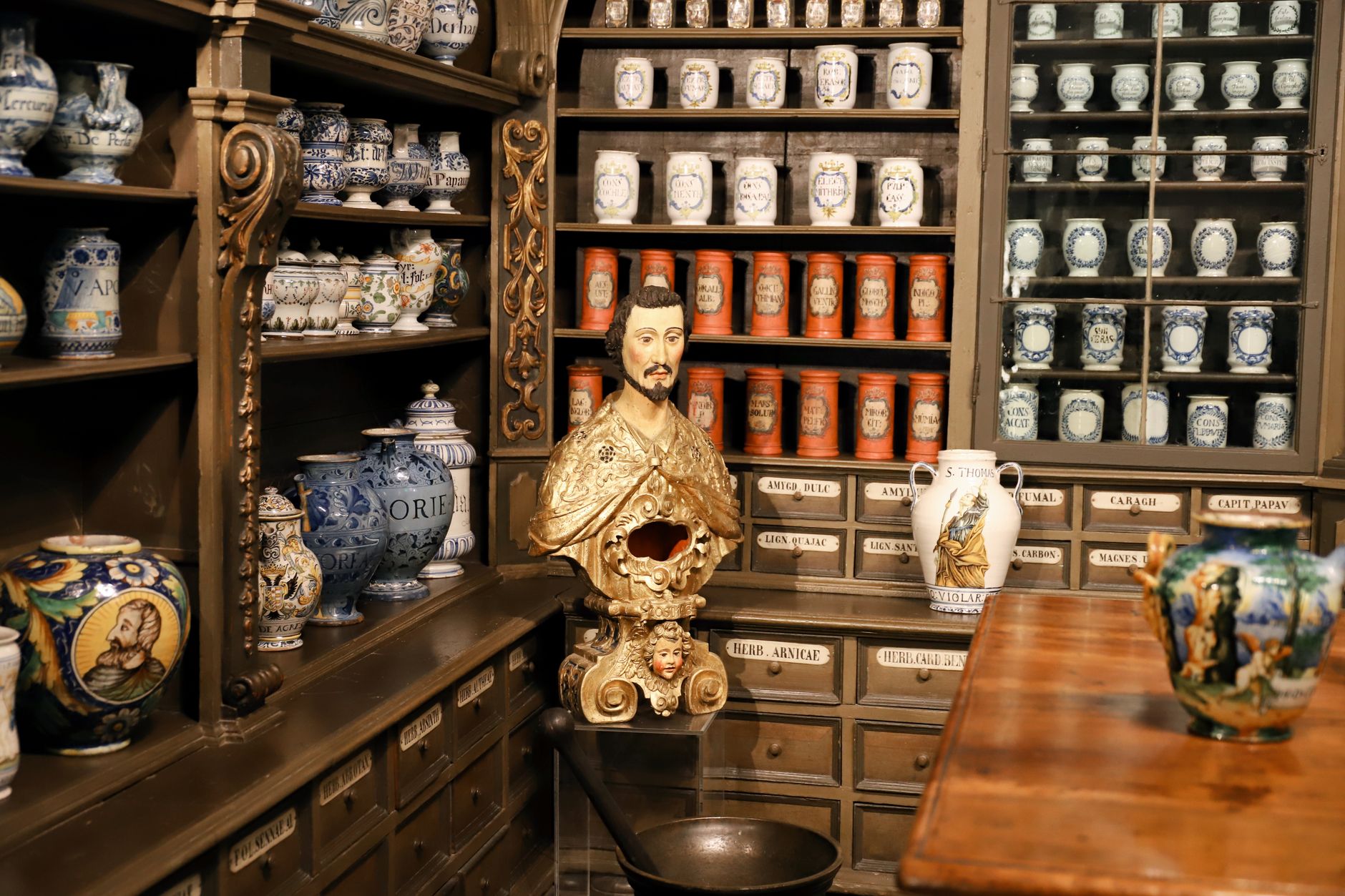
"Traditionally used" states that a plant has been used for a long time — not that it works. With hawthorn that distinction is particularly worth making, because the history is unusually well documented: from a first mention in the 1st century to an EU monograph from 2016. And it was in that very monograph that the European Medicines Agency dropped the one use most people associate with hawthorn.
On top of that comes a second mix-up: almost everything written in European books concerns leaf with flower. The red berries found in many food supplements have their own history, written down somewhere else entirely.
"Traditionally used" is a legal term
In the EU this is not an advertising phrase but a defined category. Under Directive 2004/24/EC a herbal medicine can be registered as a traditional herbal medicinal product if it has been in medicinal use for at least 30 years, of which at least 15 in the EU. For hawthorn leaf with flower, the Medicines Agency's assessment report (EMA/HMPC/159076/2014) explicitly considers that requirement met.
What matters is what this registration does not require: no efficacy trials. The long use makes the application "plausible" — that word is taken literally from the report. Tradition is therefore evidence of use, not of effect. Anyone who equates the two reads something into the term that the legislator deliberately left open.
A food supplement is not a medicine in the first place. It carries no therapeutic indications, at most authorised health claims for the nutrients it contains — so with hawthorn products never for the plant itself. Which details have to appear on the pack instead is covered in Buying hawthorn: what actually makes two packs comparable.
What was written down when
| Period | What is documented |
|---|---|
| 1st century AD | First mention of Crataegus in the European cultural sphere by Pedanius Dioscorides |
| 1544–1609 | Quercetanus, physician to Henry IV of France, prepares a syrup from the plant |
| 17th century | A note by an unknown author on hawthorn and congestion of blood, handed down by Léclerc |
| 2nd half of 19th c. | An Irish doctor named Green uses hawthorn in heart patients; the name of the herbal drug only becomes known after his death in 1894 |
| from 1896 | Use for heart complaints in America too, partly alongside digitalis |
| 1919 / 1937 / 1938 | Schulz, Ripperger and Madaus describe tea and tincture from the flowers |
| 1984 | Commission E monograph with minimum contents of flavonoids and OPC respectively |
| 1994 | Commission E: leaf with flower assessed positively, the individual parts not |
| 2016 | EU monograph EMA/HMPC/159075/2014 enters into force |
All entries up to 1994 are taken from the EMA assessment report, which collates the literature. It shows nicely how a tradition comes about: not through a discovery, but through copying and passing on across centuries.
Folk medicine never spoke with one voice
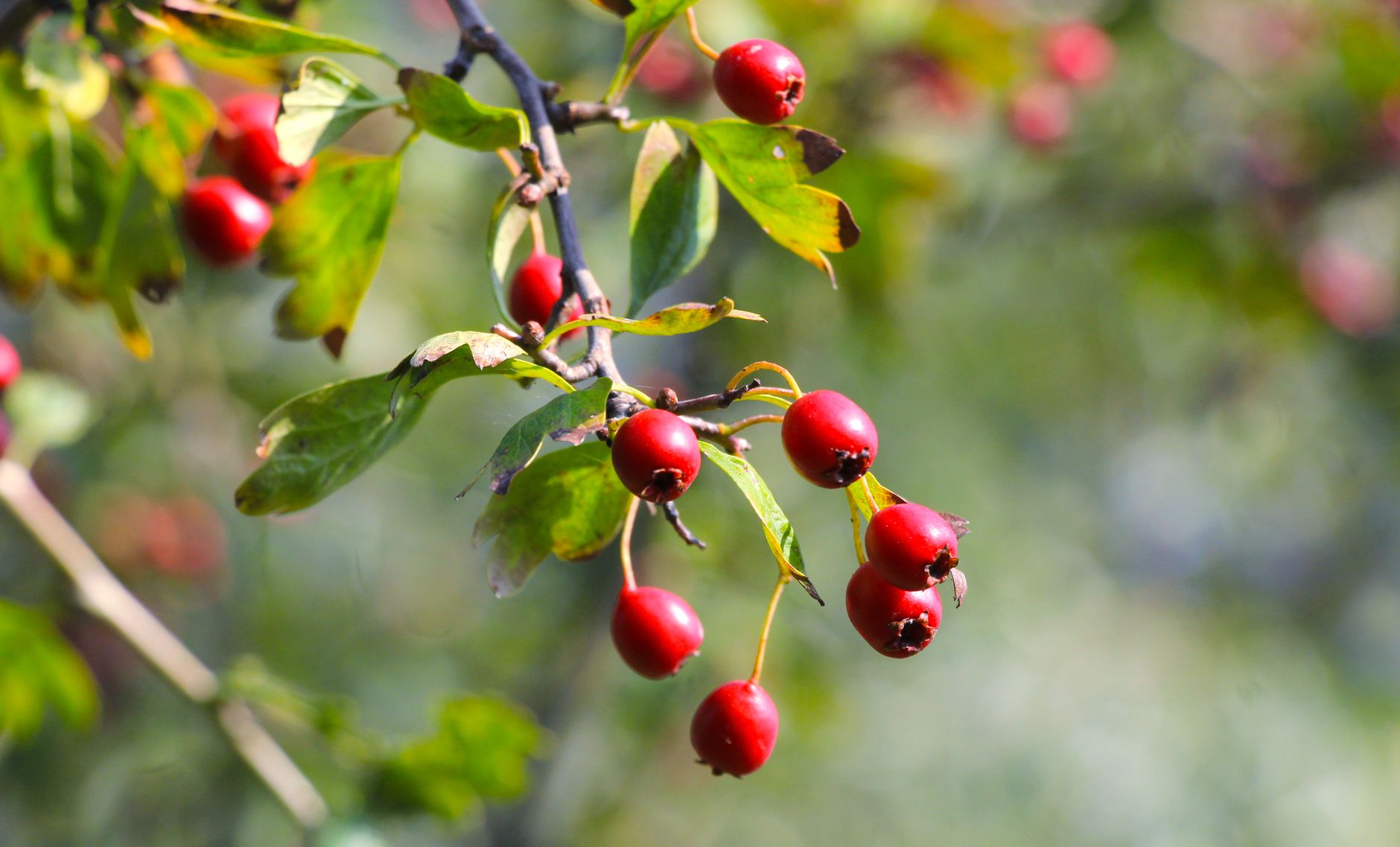
The report lists what hawthorn flowers were used for regionally — and that list is the real test of the word "traditional":
- Germany: tea over months against elevated blood pressure and arteriosclerosis
- Poland: flowers as a calming remedy
- Hungary: for jaundice and as an astringent
- Moravia: flower tea for coughs, a tea from dried leaves for lung ailments
- Silesia: for diseases of the urinary organs
- Wallachia: brewed as a warm compress
- Lorraine: for palpitations and sleeplessness
Jaundice, coughs, urinary tract, compresses: these are not variants of one observation but different customs. That is precisely why the European procedure demands a safety assessment in addition to tradition and narrows the indications tightly — otherwise every regional habit would become an indication.
2016: what was left of the heart tradition
For leaf with flower, the EU monograph recognises only two traditional indications:
- for temporary nervous cardiac complaints such as palpitations or perceived extra beats due to mild anxiety — after a doctor has ruled out serious conditions
- for mild symptoms of mental stress and as a sleep aid
What is missing is declining cardiac performance, the classic hawthorn indication of German preparations. The assessment report states plainly that it is "no longer acceptable". The reason is two large trials:
| Trial | Size | Result |
|---|---|---|
| SPICE (Holubarsch et al. 2008) | 2,681 patients, 900 mg dry extract daily, 24 months, on top of standard therapy | Primary endpoint (time to first cardiac event) with no statistically significant difference from placebo |
| HERB-CHF (Zick et al. 2009) | 120 patients, 2 × 450 mg, 6 months | No change in the 6-minute walking distance, nor in quality of life or exercise capacity |
Older studies, on which the 1994 Commission E assessment relied, worked only with surrogate measures such as ergometer performance; under today's guidelines those are no longer enough. In fairness, SPICE was not negative throughout: in the subgroup with an ejection fraction of at least 25 %, sudden cardiac death was less frequent (p = 0.025), as was cardiac mortality after 6 and 18 months. That was not enough for the overall result, and a slice of one trial does not carry an indication.
Important for context: these figures concern medicinal extracts from leaf with flower in amounts that a food supplement does not contain.
The berry has a history of its own
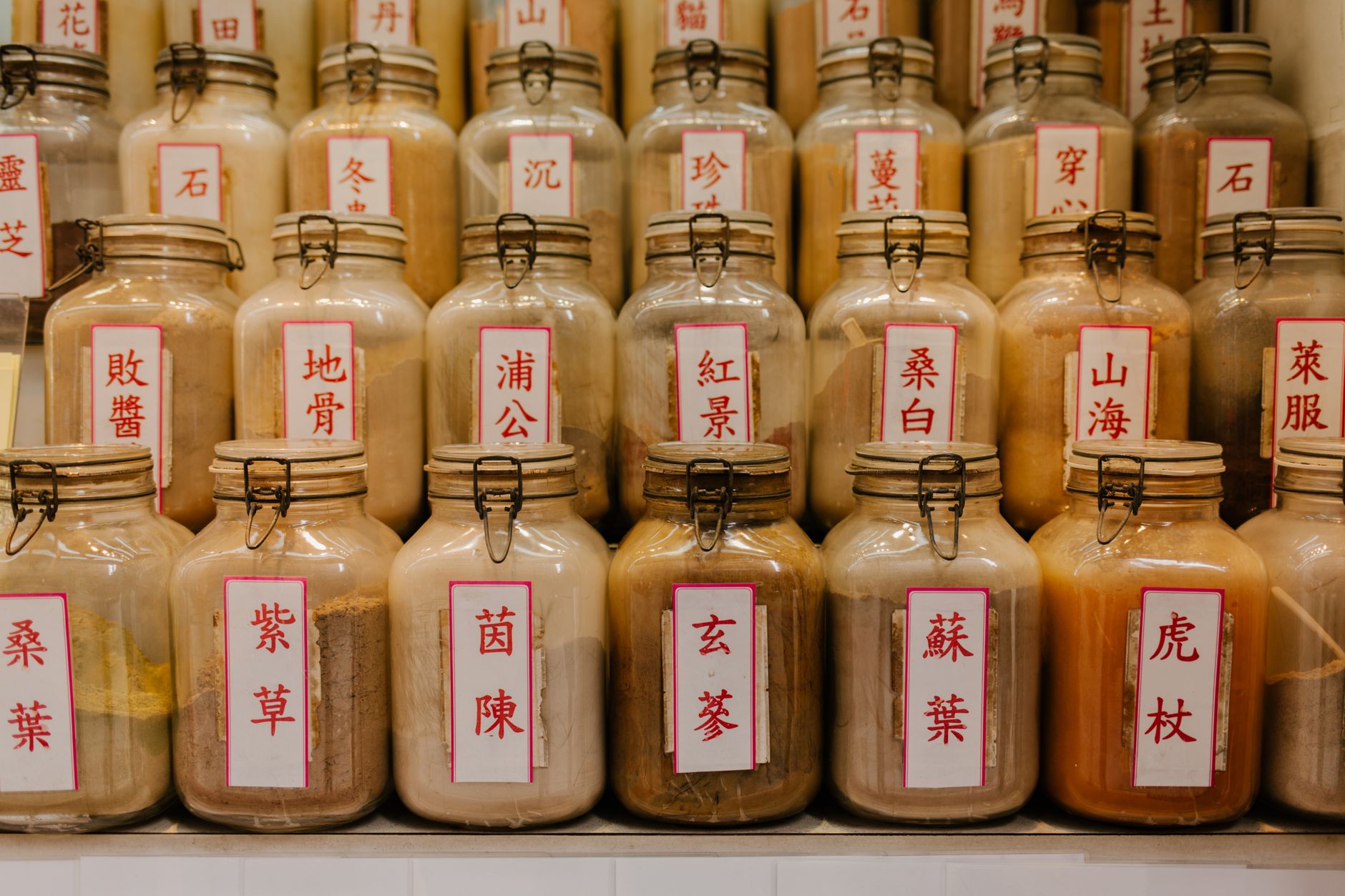
The fruit found in many capsules and tablets often comes from Crataegus pinnatifida, Chinese hawthorn. Its tradition is written down in China, not in Europe: according to a review, the first description appears in the Xinxiu Bencao, the materia medica of the Tang period. The dried fruit — "Shanzha" — counts there as medicine food homology, that is, food and medicinal plant at the same time, and was traditionally used for digestive complaints (Li et al., Journal of Ethnopharmacology 2023;301:115819). More recent work likewise describes Shanzha first of all as an edible drug for dyspepsia (Pei et al., Journal of Food Biochemistry 2022;46:e14020).
In Europe the fruit fared the other way round: in 1994 Commission E assessed hawthorn fruit separately from leaf with flower — and not positively. So anyone who cites the European heart tradition for a berry product is borrowing it from a different herbal drug. Which plant parts the pharmacopoeia distinguishes at all is covered in Hawthorn: the plant, its species, the part used.
What this means for the tin on the shelf
Our Hawthorn + Magnesium contains berry extract of Crataegus pinnatifida at a ratio of 20:1, corresponding to 600 mg of berry powder per tablet, plus 56.25 mg of magnesium. It cannot be compared with the amounts in the EU monograph — those concern other preparations from a different plant part, and what such a ratio figure says in the first place is covered in Hawthorn extract: what 20:1 actually means.

Claims the product may therefore only make about the magnesium. Authorised under Regulation (EU) No 432/2012 are, among others: Magnesium contributes to normal muscle function. and Magnesium contributes to the normal functioning of the nervous system. Plain magnesium products are in the Magnesium category, the hawthorn products in the Hawthorn category.
Food supplements are not a substitute for a balanced and varied diet and a healthy lifestyle.
Common questions
Does "traditionally used" mean the plant works? No. The term describes that a preparation has been in medicinal use for at least 30 years, 15 of them in the EU. Proof of efficacy is expressly not part of it; the authority checks plausibility and safety.
Why do old books say so much about the heart and today's sources so little? Because the requirements for evidence have risen. The older assessments relied on surrogate measures, and the two large trials after 2008 could not show the expected benefit in heart failure. What remained were two narrowly defined traditional indications for medicines.
Is the Chinese tradition better documented than the European one? It is older and well preserved in writing, but it sits in the same category: long use, no proof of efficacy. The difference lies in the emphasis — in China the fruit for digestive complaints stood in the foreground, in Europe leaf with flower for cardiac complaints.
May a food supplement say "traditionally used"? The designation traditional herbal medicinal product is reserved for registered medicines. A food supplement may not carry it, and its health claims are governed solely by Regulation (EC) No 1924/2006 — for hawthorn there is no authorised claim there.
Sources: European Medicines Agency, EU monograph on Crataegus spp., folium cum flore, EMA/HMPC/159075/2014 (5 April 2016) · assessment report thereto, EMA/HMPC/159076/2014, sections 2.2 (documented medicinal use, historical data), 2.3 (overall conclusions), 5.1 (clinical assessment) and 6 (benefit-risk assessment, 30-year criterion) · Directive 2004/24/EC · Holubarsch CJF et al., SPICE trial, and Zick SM et al., HERB-CHF, both reviewed in the assessment report cited · Li R et al., Journal of Ethnopharmacology 2023;301:115819 (PubMed 36228891) · Pei H et al., Journal of Food Biochemistry 2022;46(1):e14020 (PubMed 34825377) · Regulation (EC) No 1924/2006 · Regulation (EU) No 432/2012 · product declaration Hawthorn + Magnesium, 180 tablets.